
Larian Studios Says It Will Avoid GenAI for Divinity Concept Art and Writing, While Still Exploring GenAI Elsewhere
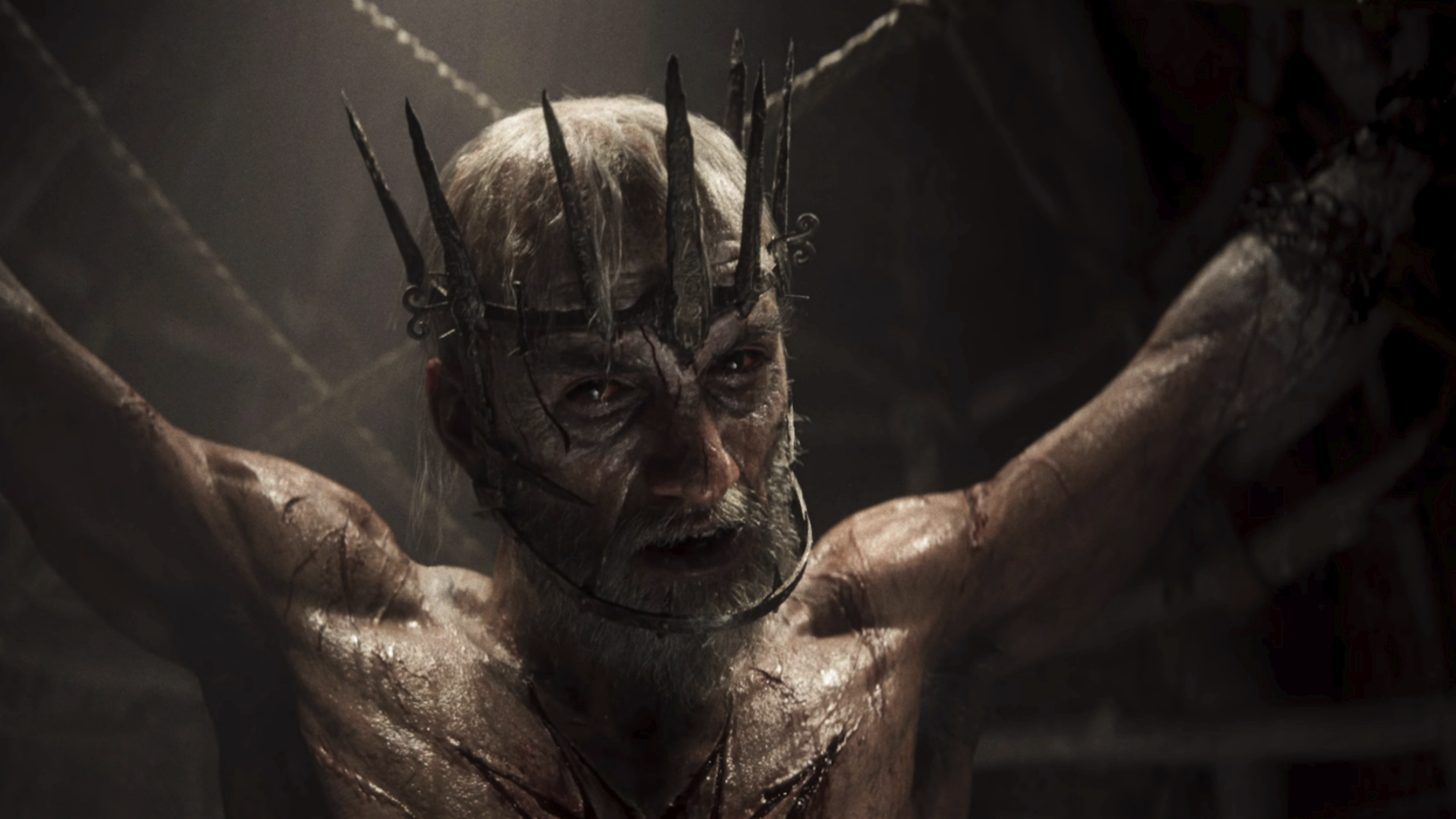
Larian Studios has moved to narrow and clarify its stance on generative AI tools after months of backlash tied to earlier comments from CEO Swen Vincke about experimentation with GenAI during development. The studio addressed the topic directly during a community Q and A on the Games subreddit, where the very first question focused on GenAI and its role in Divinity’s production pipeline, following the studio’s announcement and invitation for the AMA. You can read the full thread via the official Divinity AMA on r Games and the specific opening GenAI question, with Larian also pointing fans toward the AMA through its official social post.
Now live: https://t.co/Zp8UbfIp9p https://t.co/CQK4eGiQV2
— Larian Studios (@larianstudios) January 9, 2026
Vincke’s answer did not fully denounce GenAI across the studio, but it did hard lock 1 highly sensitive area: concept art. He stated there will be no GenAI art in Divinity and acknowledged that prior discussions around GenAI and concept exploration created confusion among players. To remove any ambiguity, he said Larian has decided to refrain from using GenAI tools during concept art development so there can be no debate about where the art originated.
At the same time, Larian is not closing the door on GenAI experimentation in every department. Vincke positioned the remaining exploration as an iteration speed play, arguing that the ability to test more ideas faster can translate into better gameplay outcomes and a more focused production cycle. The studio’s stated guardrail is that it will not generate creative assets that ship in a game unless it can be fully confident about training data origins and creator consent. If GenAI models are used for in game assets, the commitment is that those models would be trained on data Larian owns.
The studio also extended the same restriction to writing. In a follow up response, Larian writing director Adam Smith confirmed the stance applies to narrative content as well, stating that text generation will not touch dialogue, journal entries, or other writing in Divinity. Smith also offered a blunt practical assessment of generated placeholder text, saying it does not meaningfully benefit development over simple stub text. He described limited internal experimentation that rated around 3/10 at best, emphasizing that it remains research only, not something being used in Divinity’s shipped writing pipeline.
Taken together, the updated messaging is a clear attempt to reduce reputational risk and rebuild trust without fully abandoning the potential productivity upside of automation. Concept art and writing are being treated as bright line domains where authorship and originality concerns are highest, while other experimentation is being framed as a tooling layer focused on iteration speed, with a promise of strict provenance requirements if anything is ever intended to ship. For a studio that thrives on community goodwill, the business objective is obvious: contain controversy, protect creative credibility, and keep production velocity options open for the long haul.
Do you think Larian’s line in the sand makes sense, no GenAI for concept art or writing but continued experimentation elsewhere, or would you prefer studios commit to a full GenAI ban across all development workflows?
