
CPU Z Version 2.18 Expands CPU Support and Improves LPDDR5X CAMM2 Detection
CPUID has rolled out CPU Z version 2.18 for Windows, delivering a meaningful compatibility refresh that targets both newly available desktop silicon and upcoming mobile platforms, while also improving memory reporting for LPDDR5X CAMM2. The update is now listed on the official CPU Z download page with a published date of January 7, 2026.
On the processor side, CPU Z 2.18 adds recognition for AMD Ryzen 7 9850X3D and AMD Ryzen 5 7500X3D, ensuring correct identification and readouts for users running these chips. CPUID also notes preliminary support for AMD Medusa Point, signaling early readiness for an unreleased Ryzen mobile family that enthusiasts and reviewers will likely start spotting in partner systems and engineering samples before the official launch cycle.
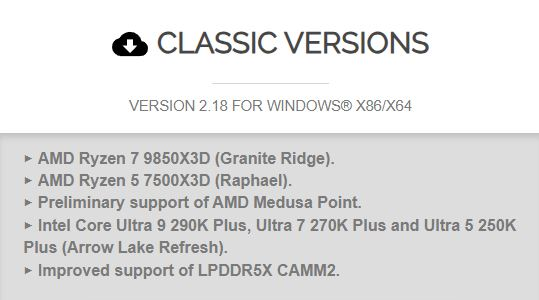
Intel platforms also get attention in this build. CPU Z 2.18 lists preliminary support for Intel Arrow Lake Refresh, which aligns with the pattern we often see in validation tools where hardware support begins appearing in software databases ahead of formal retail availability. For builders and benchmarkers, this matters because early detection can reduce confusion when testing pre launch boards, BIOS updates, and performance tuning profiles.
The most forward looking improvement in version 2.18 is the stated enhanced support for LPDDR5X CAMM2. This is a key datapoint for the mobile PC ecosystem, because CAMM2 is positioned as a more serviceable, upgrade friendly memory approach compared with soldered configurations, while still targeting compact layouts and power efficiency priorities. Better platform awareness inside CPU Z means cleaner reporting for reviewers, integrators, and power users validating memory configurations on next generation laptops and thin form factor systems.
In short, CPU Z 2.18 is a practical update that strengthens the tool’s value for early adopters and hardware analysts by expanding CPU compatibility coverage and improving modern mobile memory visibility, exactly the kind of incremental enablement that keeps a monitoring utility relevant during fast moving platform transitions.
Are you more excited to see CPU Z catching upcoming CPU families early, or do you care more about improved LPDDR5X CAMM2 reporting as laptops move toward more upgrade friendly designs?
