
Report Says HP May Turn to China DRAM Supplier CXMT as Shortages Tighten Global PC Memory Supply
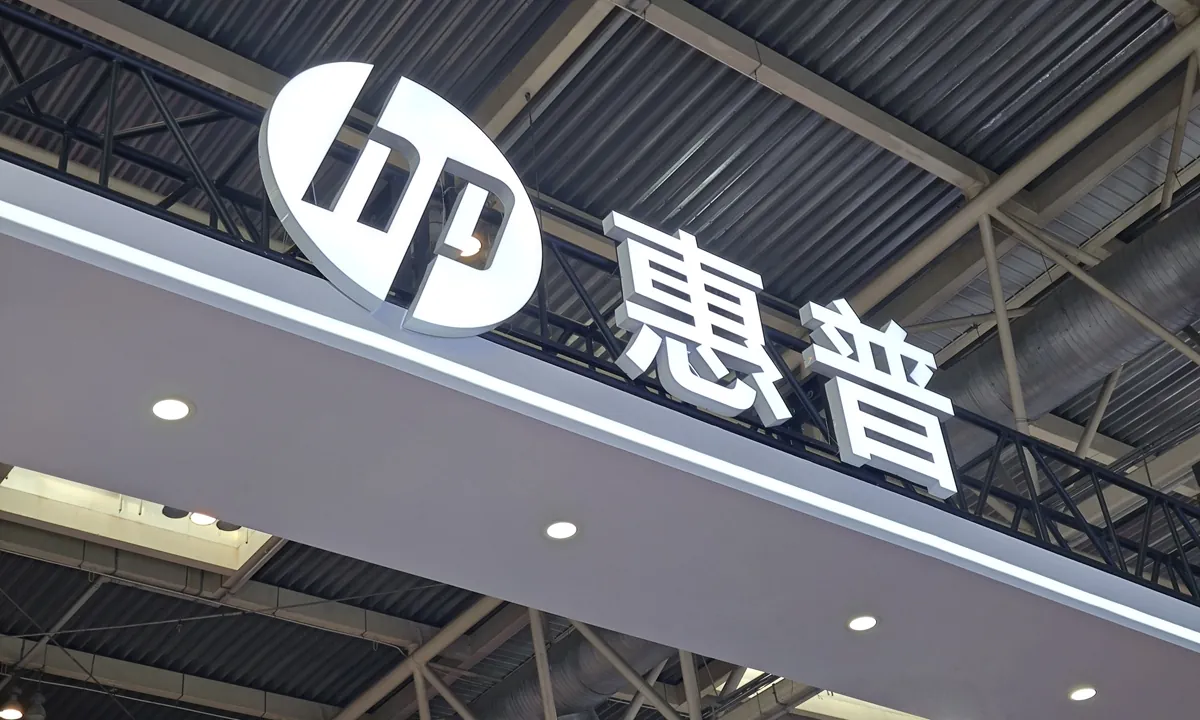
HP is reportedly exploring Chinese memory suppliers as a stopgap to secure DRAM supply, a move that underscores how tight the memory market has become even for tier one PC OEMs. According to a Bank of America report referenced by Barrons analyst Tae Kim and shared publicly in this analyst note post, HP is said to be considering the addition of Chinese suppliers into its supply chain so it can ship limited product volumes into Asia and Europe, suggesting traditional sourcing channels are increasingly constrained.
The report narrative points to ChangXin Memory Technologies, commonly known as CXMT, as a potential pressure relief valve for consumer oriented DRAM supply. The logic is straightforward: when supply from major incumbents such as Micron and Samsung is pulled toward higher margin demand and tighter allocation environments, OEMs are incentivized to qualify alternative suppliers that can fill baseline capacity needs, even if the long term strategic preference remains with established vendors. The same note also implies that Chinese flash and memory suppliers could see broader adoption going forward if constraints continue, because OEMs must prioritize continuity of shipments over ideal vendor mix.
HP management told BofA they are qualifying additional memory suppliers from China
— tae kim (@firstadopter) January 8, 2026
What I wrote yesterday: "Unlike the proprietary AI chips made by Nvidia, memory chips are commodities, meaning they can be easily replaced. There is a higher degree of disruption risk. It may be a… pic.twitter.com/VNWvebj52g
CXMT’s output expectations are framed as meaningful but still smaller than the largest global suppliers, with wafer output projected to reach up to 300000 units per month by 2026. Even at that scale, the company is positioned as having enough capacity to support DDR5 module demand, especially because it has not yet seen aggressive pull for its HBM initiatives in the way the broader market is currently prioritizing AI related memory. The report also references CXMT’s apparent ambition to expand, noting the company is eyeing an IPO in Shanghai with a fundraising target of 4.2 billion USD to increase production and research and development investment, signaling an intent to graduate from regional supplier to mainstream contender.
The biggest constraint on CXMT adoption for a United States headquartered OEM like HP is regulatory exposure. The report highlights NDAA Section 5949, under which the United States Department of Defense is prohibited from sourcing semiconductors from CXMT, which implies heightened sensitivity around Chinese components in certain government linked procurement pipelines. Commercial products are not currently described as broadly restricted in the same way, but the risk profile is obvious: if major OEMs begin adopting CXMT modules at scale, policy responses could evolve quickly, and any new control regime could complicate procurement, compliance, and distribution.
That regulatory factor is likely why the report frames HP’s potential CXMT integration as geographically limited, focused on SKUs shipped into Asia and Europe. If accurate, this approach would let HP maintain product flow in regions where supply pressure is acute while reducing direct exposure in the United States government adjacent ecosystem. It also signals a wider industry trend: Chinese memory and flash suppliers are increasingly being treated as a viable alternative during supply crunch cycles, particularly if they can allocate more of their DRAM production to consumer markets while the broader ecosystem is absorbed by AI infrastructure demand.
In practical terms, this rumor is less about a permanent vendor flip and more about supply chain resilience. If CXMT can reliably support DDR5 volumes for mainstream systems, it gives OEMs an operational lever to keep notebooks and desktops shipping while the market balances between consumer needs and AI driven allocation pressure.
If HP starts using CXMT memory in select regions, do you see it as smart supply chain risk management, or a move that could trigger faster regulatory responses and complicate global PC sourcing even more?
