
Jensen Huang Says China Will Not Get Blackwell or Rubin, But Urges US Tech Firms to Keep Competing Globally
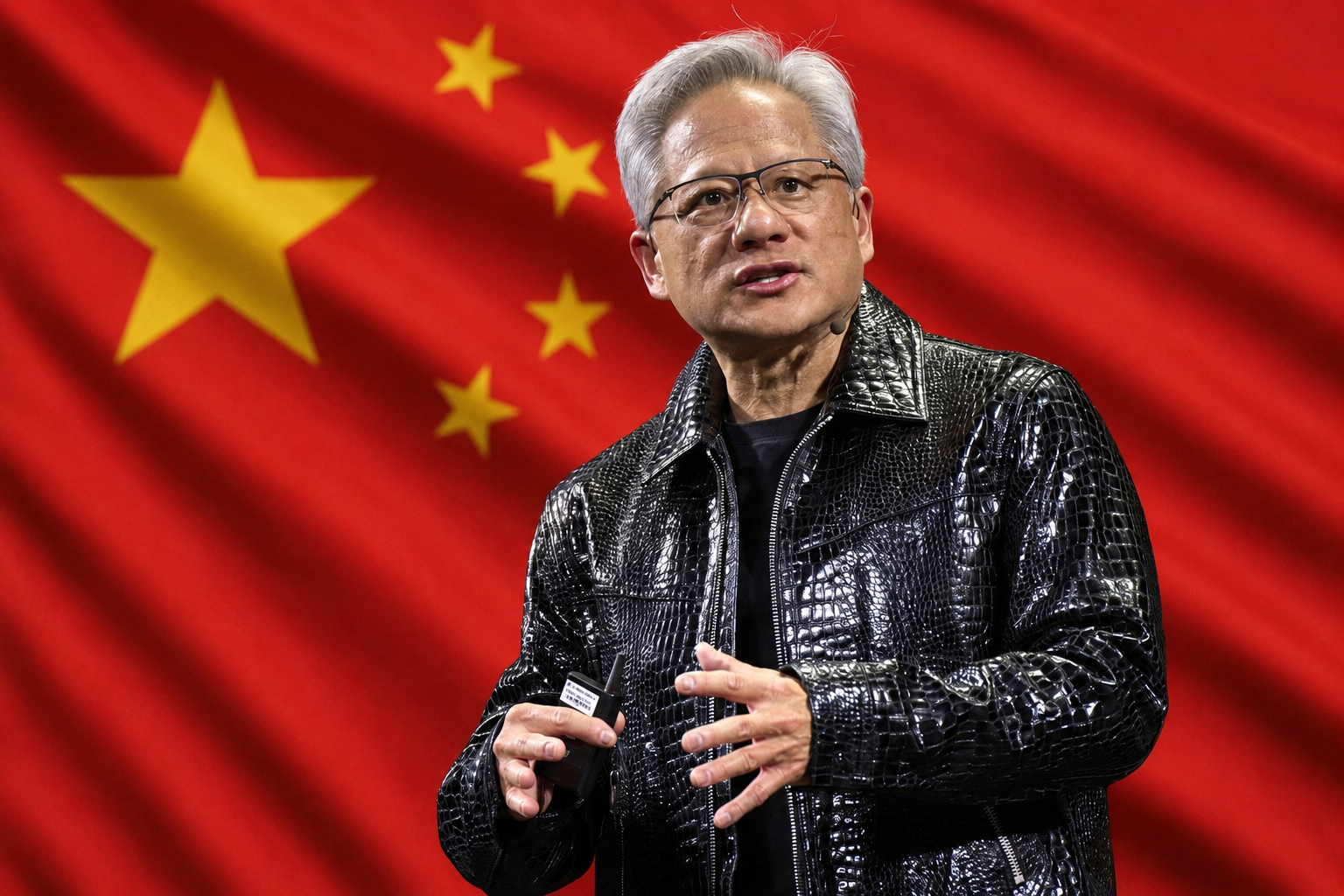
NVIDIA CEO Jensen Huang has drawn a clear line on China’s access to the company’s most advanced AI hardware, saying Blackwell and Rubin class chips should not be available there, while also arguing that American firms still need to stay active and competitive in global markets. The remarks came during recent public appearances tied to the Milken Institute Global Conference, where Huang said the United States should have “the first, the most, and the best” when it comes to cutting edge AI technology.
That position is significant because it captures NVIDIA’s current balancing act more clearly than before. Huang is not arguing for unrestricted access to NVIDIA’s best accelerators. Instead, he is backing a US first approach for the company’s newest AI platforms while still pushing the case that American companies should be allowed to compete internationally wherever policy permits. His argument is that stronger exports, higher revenues, and larger tax contributions ultimately reinforce US economic strength and national security.
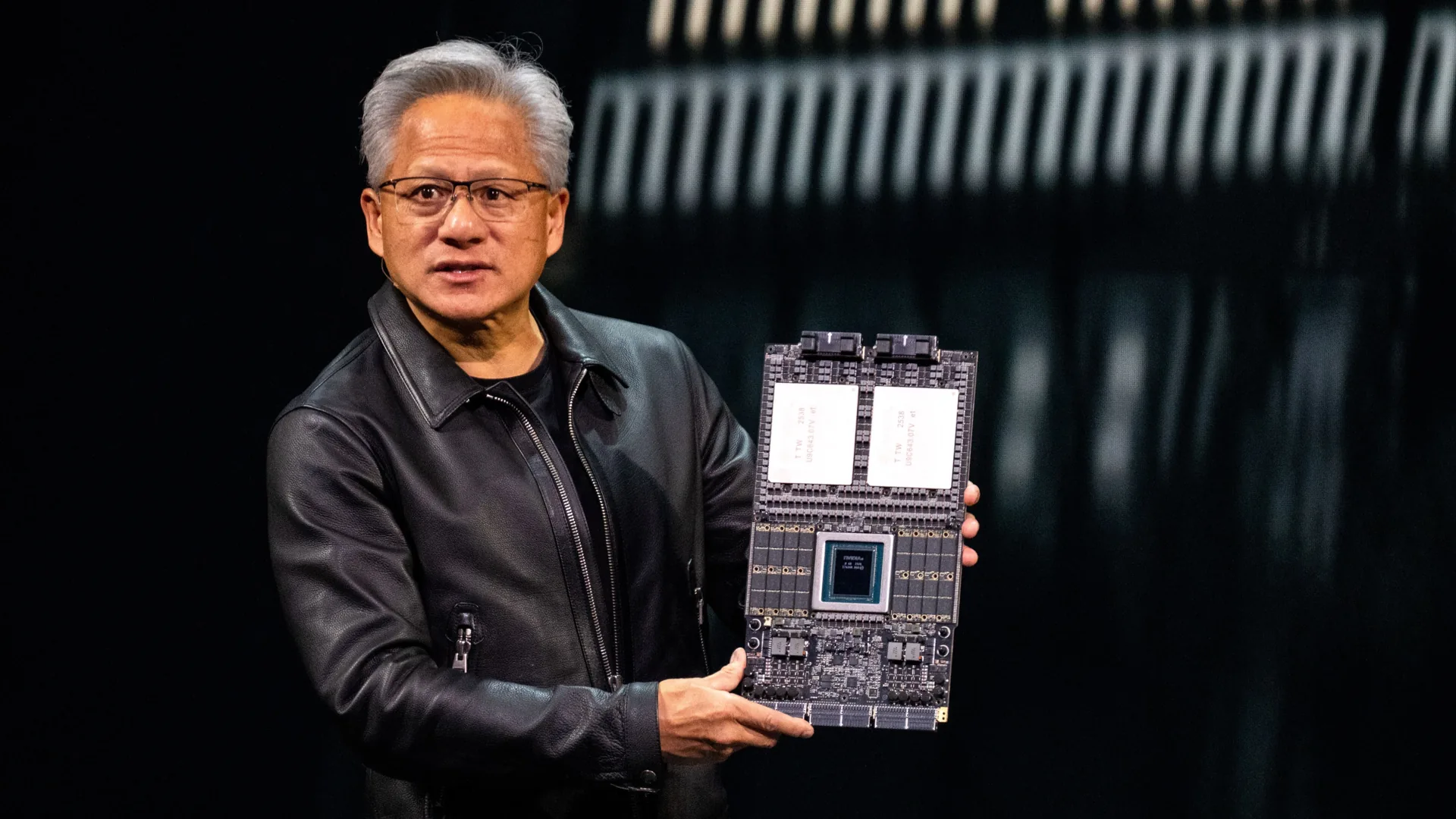
This is also part of a wider export control story that has been building since the Hopper era. Reuters reported in January that the Trump administration had approved conditional exports of NVIDIA H200 chips to China, with a 25% fee on those sales going to the US government. But even with that pathway opened, the policy environment remained unstable, and later reporting showed that actual sales still had not materialized. Reuters reported in April that NVIDIA had not sold H200 chips to Chinese customers, with US Commerce Secretary Howard Lutnick saying no shipments had happened.
That makes Huang’s more recent comments especially telling. He is effectively confirming that while older or restricted products may still be part of policy discussions, Blackwell and Rubin are not on the table for China. At the same time, he appears to be warning that if US firms are blocked too broadly from competing abroad, Washington may end up weakening the very companies it wants to keep ahead. That tension has become central to the AI chip race, especially as China continues building up domestic alternatives.
The China market has already changed sharply for NVIDIA. Recent reports say Huang stated the company’s share in China has fallen to 0%, a dramatic drop from its previous dominance in AI accelerators there. Reuters also reported that scarcity has pushed prices for NVIDIA B300 systems in China to around 7 million yuan, or about 1 million dollars, nearly double the US price in some cases, showing that demand for NVIDIA hardware remains high even as official access tightens.
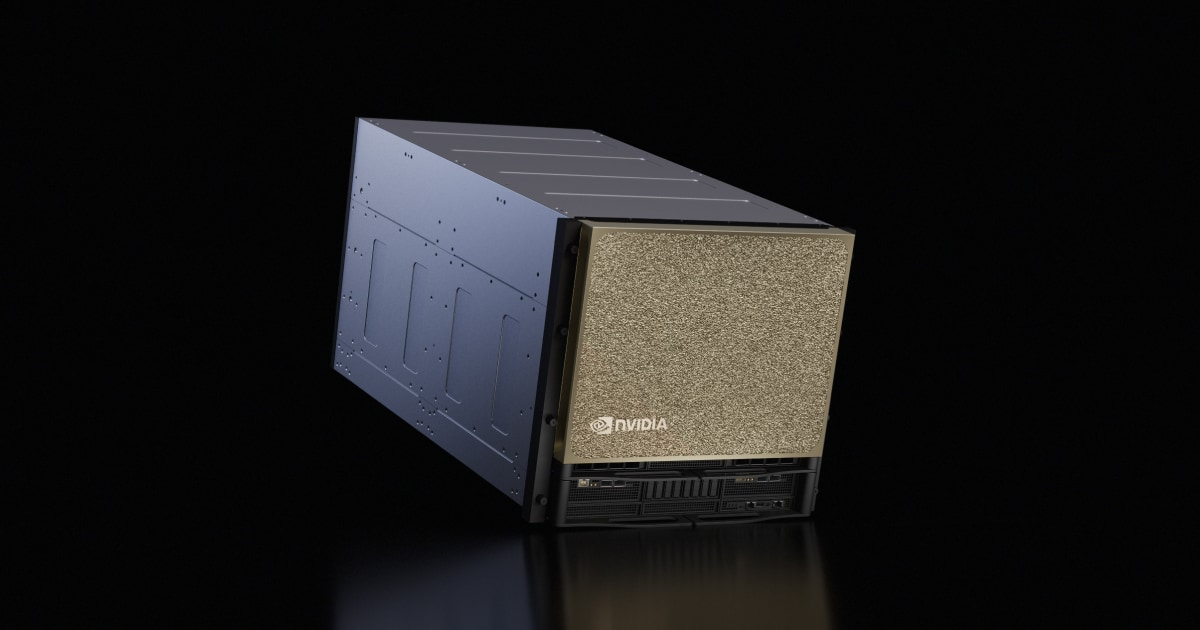
That creates an awkward but important reality for NVIDIA. On one side, the company is publicly aligning itself with the idea that America should retain the lead on top tier AI compute. On the other, it is facing the commercial cost of losing one of the world’s largest AI infrastructure markets, while domestic Chinese players such as Huawei get more room to expand. Huang’s message is essentially that US leadership should come from staying ahead, not from abandoning global competition altogether.
For the broader industry, this is one of the clearest signals yet that the highest end AI chip divide between the US and China is hardening further. Blackwell and Rubin are being treated not just as commercial products, but as strategic technologies. That means future China bound NVIDIA offerings, if they appear at all, are far more likely to be cut down variants with heavily reduced capabilities rather than flagship parts. Public reporting has suggested that such ideas have been discussed, but there is no visible progress yet toward a live Blackwell based China product.
Do you think NVIDIA can keep its global AI leadership while staying locked out of China’s top tier market, or will that gap eventually accelerate China’s in house chip ecosystem even faster?
