
Intel Capital Backs QuantWare as Quantum Firm Raises 178 Million Dollars for 10,000 Qubit VIO-40K Push
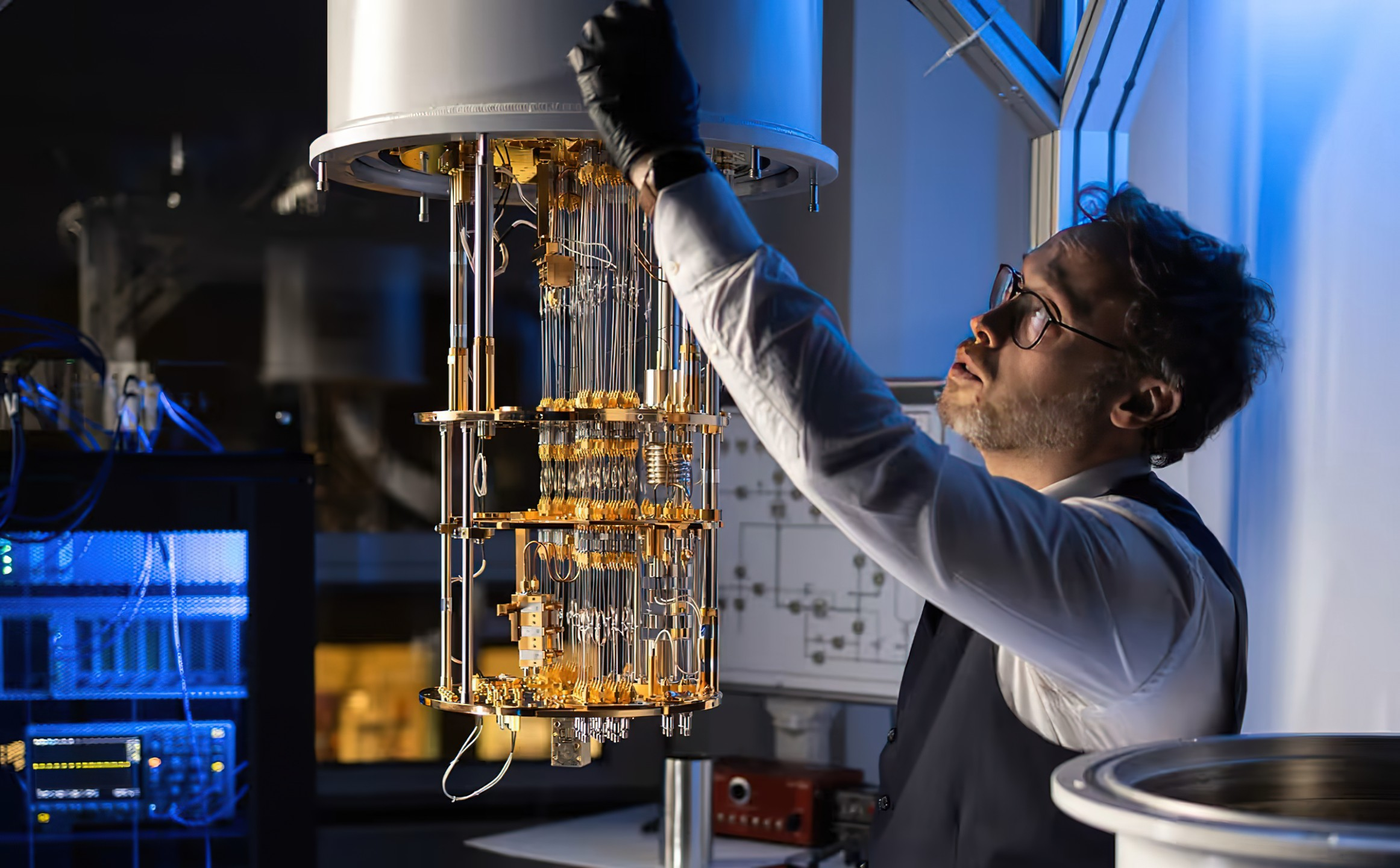
Intel is placing a new bet on quantum hardware through Intel Capital’s participation in QuantWare’s latest funding round, but the bigger story is that some of the headline figures now circulating need a correction. QuantWare officially announced a 178 million dollar Series B round, not 176 million dollars, and the processor platform at the center of the announcement of VIO-40K. According to the company, VIO-40K is a quantum processor architecture designed for 10,000 qubits, which QuantWare describes as 100x larger than the current state of the art.
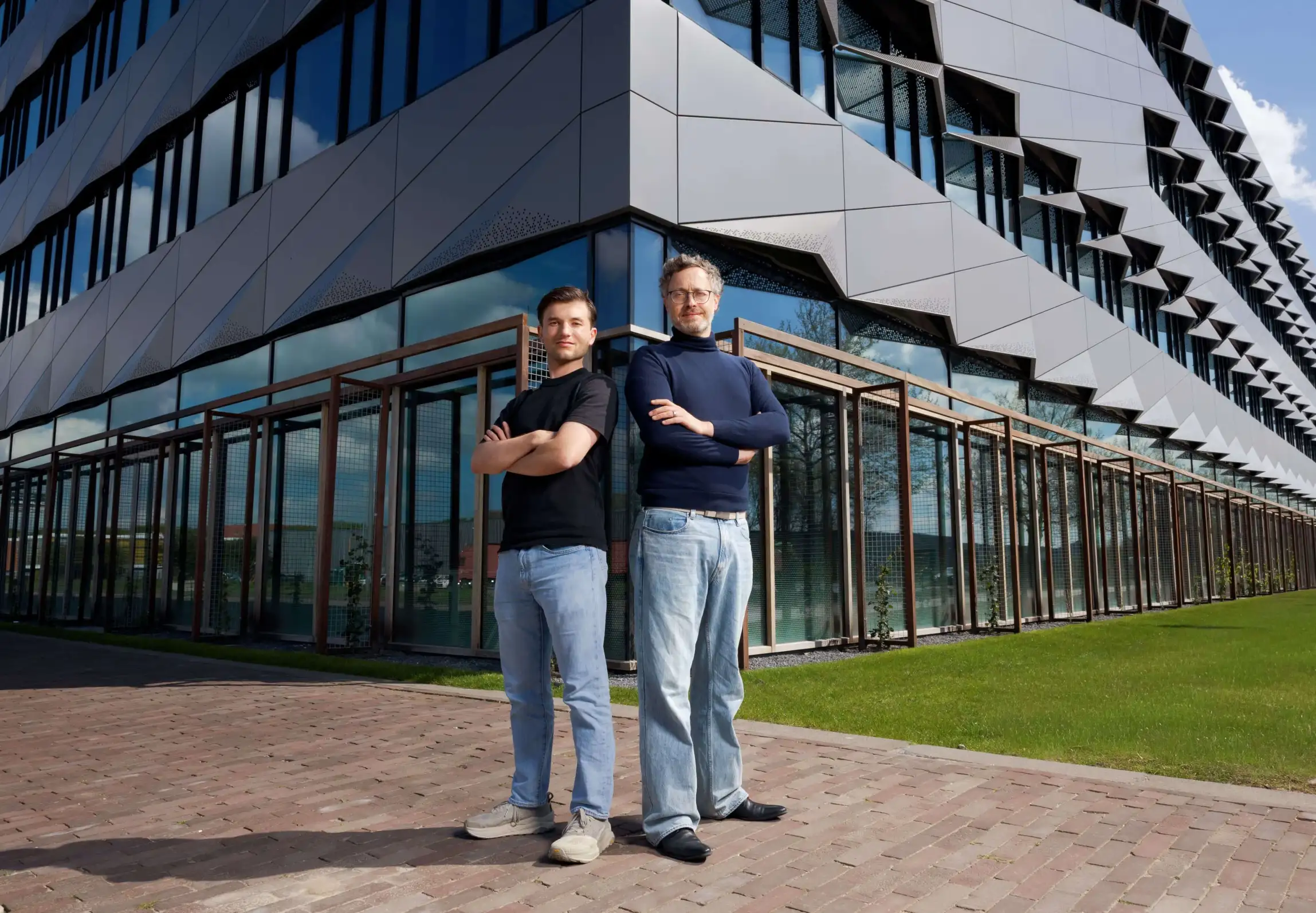
The investment round adds Intel Capital, In Q Tel, and ETF Partners to the cap table alongside existing backers including FORWARD.one, Invest NL Deep Tech Fund, InnovationQuarter Capital, Ground State Ventures, and Graduate Ventures. QuantWare says the fresh funding will be used to accelerate its VIO technology and to build KiloFab, which it describes as the world’s largest dedicated quantum open architecture fab. The company also says KiloFab will increase production capacity by 20x to meet rising global demand.
That makes this announcement important for 2 reasons. First, it gives Intel exposure to one of Europe’s more ambitious quantum hardware plays at a time when the race to scale useful quantum systems is heating up. Second, it highlights a hardware strategy centered not just on research milestones, but on manufacturability and ecosystem scale. QuantWare says its proprietary VIO architecture is designed as an open platform that can scale third party qubit chiplets and designs, while its business already spans in house QPUs, foundry services, and chiplet packaging.
QuantWare is also making a much bigger claim than a normal startup product launch. The company says VIO-40K enables the creation of 10,000 qubit processors for the first time and that the architecture supports 40,000 input output lines through chiplet based modules connected with ultra high fidelity chip to chip links. In QuantWare’s framing, that approach solves one of the core scaling bottlenecks in superconducting quantum systems, where packaging, routing, and manufacturability can become just as limiting as qubit design itself.
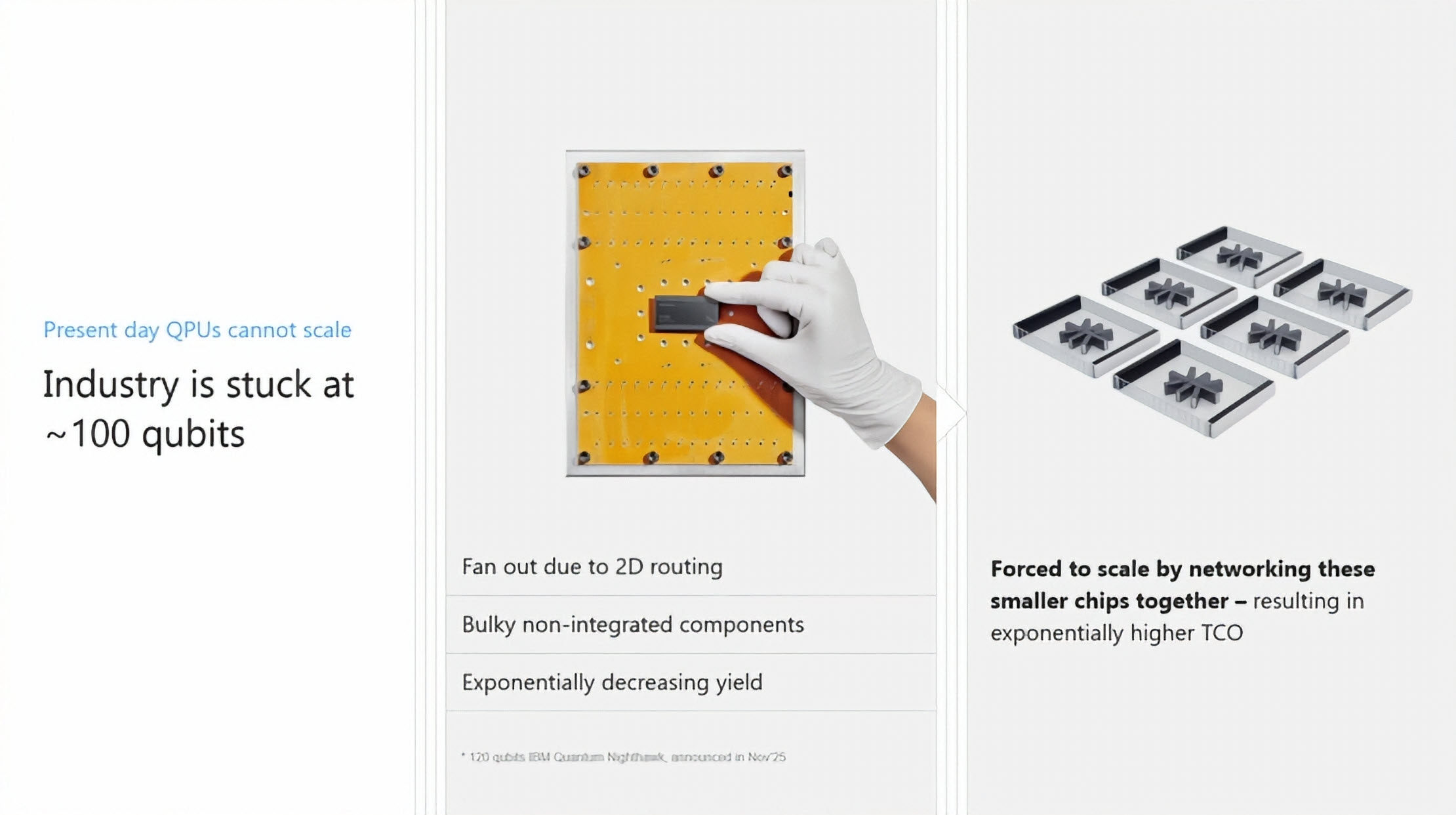
The industrial angle is what makes this story stand out. QuantWare says it has already shipped to more than 50 customers across 20 countries and calls itself the world’s largest commercial QPU supplier by volume. It also says the first VIO-40K devices are planned to ship in 2028, which means this is still a forward looking platform rather than a near term commercial deployment at scale. In other words, the technology vision is bold, but the real proof point will come when QuantWare shows it can translate architecture claims into shipped, functioning systems over the next 2 years.
For Intel Capital, this is a strategic placement in a company trying to become infrastructure for the broader quantum sector rather than a closed single stack quantum vendor. That matters because if QuantWare’s open architecture model works, it could give hardware makers, research institutions, and ecosystem partners a shared path to larger superconducting quantum systems without each group needing to build everything from scratch. That is the upside case, and it is clearly the one investors are backing here.
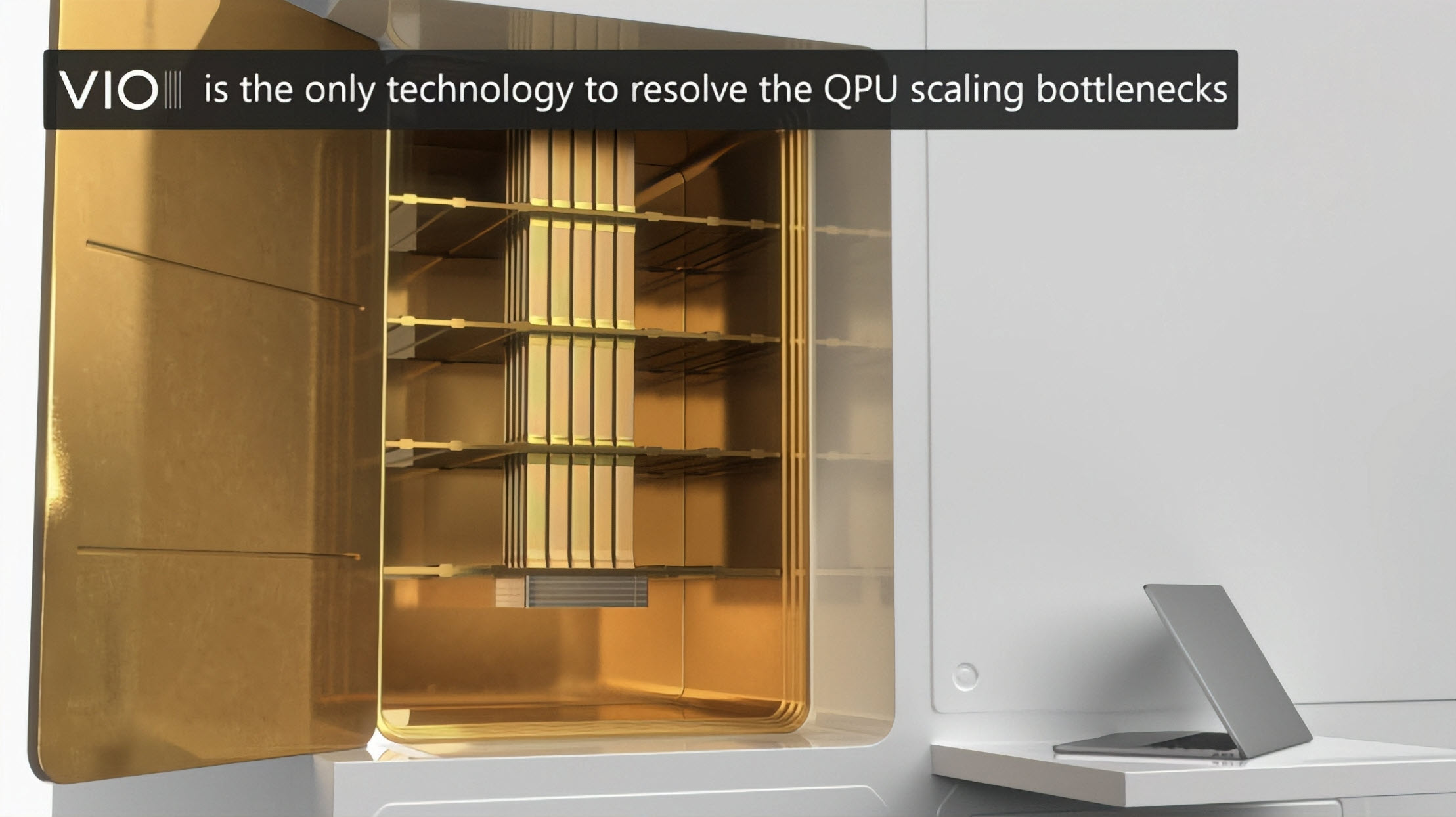
Still, it is worth keeping expectations grounded. QuantWare’s “world’s most powerful” language is the company’s own characterization, and the 10,000 qubit figure is tied to the architecture and future product roadmap, not to a processor that is already shipping today. So while Intel’s investment is a strong validation signal, this remains a long horizon hardware story rather than a breakthrough consumers or enterprises will feel immediately.
Do you think open quantum hardware platforms like QuantWare’s VIO approach will help the industry scale faster, or will the biggest breakthroughs still come from tightly controlled in house systems?
