
Intel Warns CPU Shortage Is Hitting “Everyone” as Supply Tightens Across Consumer and Enterprise Markets
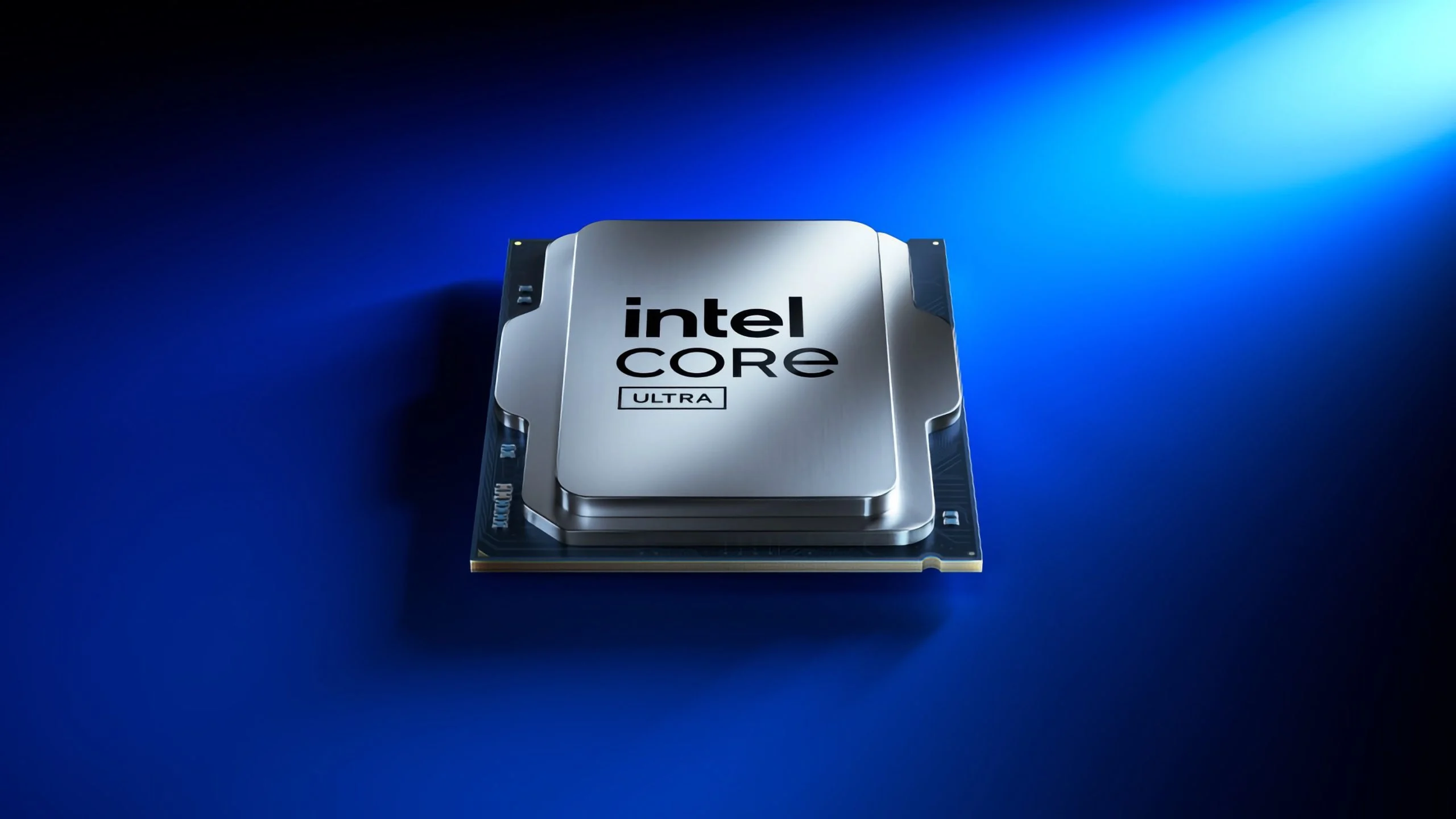
Intel is once again warning that CPU shortages are no longer isolated to a single corner of the market. According to Intel Global Channel Chief Dave Guzzi, the current constraints are affecting partners broadly, including cloud service providers, OEMs, system builders, and channel customers. In comments reported by CRN, Guzzi said the impact is effectively universal, adding that partners across the board are not getting as much product as they would like.
That matters because it confirms the current CPU squeeze is not just a niche enterprise issue or a temporary retail imbalance. Intel’s own leadership has already signaled that demand from hyperscalers is exceeding what the company can fully supply. In Intel’s Q1 2025 earnings call remarks, CFO David Zinsner said the company was seeing stronger than expected demand from hyperscalers and noted supply limitations tied to those conditions.
The broader supply picture now looks increasingly familiar to anyone following the current component cycle. The market has already been dealing with graphics card pressure and rising memory prices, and CPUs are now being pulled into the same conversation. What makes this situation particularly important for Intel is that demand is coming from both the data center side and the consumer side at the same time, creating a balancing challenge around which products and process capacity should be prioritized.
A key part of the issue appears to be product mix. CRN reported that older Intel Xeon platforms such as Sapphire Rapids remain in demand among cloud customers, while consumer demand has also leaned toward older generation parts such as Raptor Lake. Both product families rely on Intel 7, which increases the pressure on available capacity. That puts Intel in a difficult position as it tries to support high volume enterprise orders while also servicing the client and channel market.
From a business standpoint, the likely priority is not difficult to read. Enterprise demand, especially from hyperscalers and large cloud customers, tends to carry greater order scale and stronger profitability than mainstream consumer desktop volume. While Intel has not publicly framed this as abandoning the consumer market, the available reporting strongly suggests the data center side will remain strategically favored where supply allocation becomes tight. That is an inference based on Intel’s comments about hyperscaler demand and CRN’s reporting on channel wide shortages, rather than a direct formal allocation announcement from Intel.
The other major concern is pricing. Guzzi told CRN that price increases are likely, but he also indicated they should not approach the severity seen in the memory market. That distinction is important. It suggests Intel and its partners are preparing for upward pricing pressure, but not for the kind of extreme spike that defined the recent DRAM shortage cycle. Even so, in a market already under pressure from memory, NAND, and substrate constraints, even moderate CPU price movement could still affect system pricing, procurement planning, and buyer behavior.
For the PC industry, this creates a complicated operating environment. Consumers looking to secure older generation CPUs before prices move further may end up adding more strain to already limited supply. At the same time, enterprise and AI driven deployments continue to absorb volume from the same ecosystem. If those trends continue in parallel, system integrators and channel partners may face a more prolonged availability issue than many expected at the start of the year. That forward looking assessment is an inference from the current supply conditions described by Intel and CRN, not a formal forecast issued by the company.
For now, Intel’s message is clear. The shortage is real, it is broad, and it is affecting everyone rather than a single customer group. The good news for buyers is that the company does not expect CPU pricing to spiral the way memory did. The less reassuring part is that supply pressure appears structural enough that relief may not come quickly unless demand normalizes or Intel frees up more usable capacity.
Do you think CPU prices will stay manageable, or could this shortage become a much bigger problem for gamers and PC builders over the next few months?
