
Intel Shows No Signs of Leaving the GPU Business as CEO Lip Bu Tan Reiterates Commitment Saying Future Lineups Will Be Built Internally
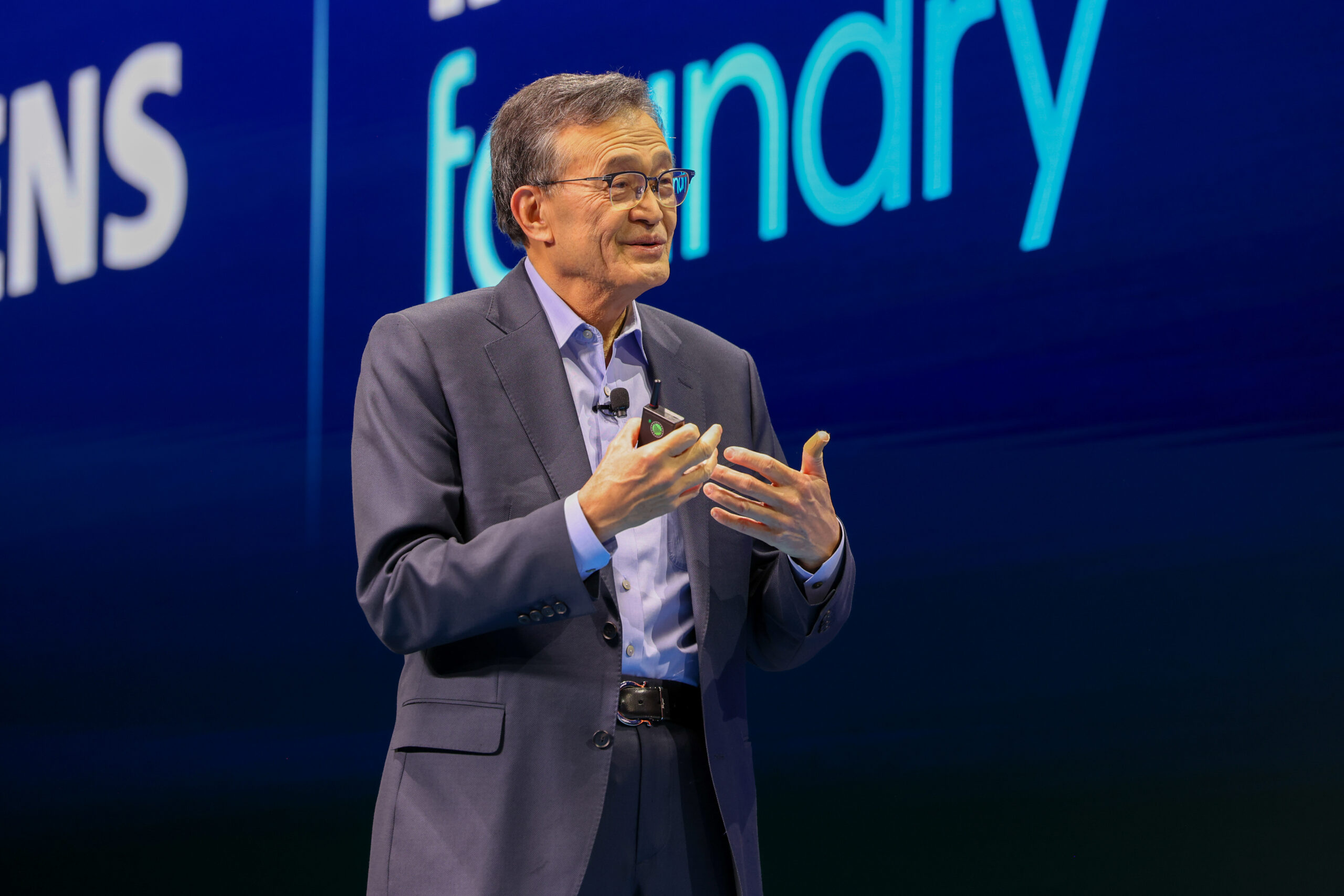
Intel is signaling that its GPU ambitions remain a core pillar of the company’s next phase, even as the market pressure in both consumer graphics and datacenter acceleration continues to intensify. In recent remarks made during the Cisco AI summit, CEO Lip Bu Tan directly reinforced the idea that Intel will continue building GPUs internally, while also aligning the company’s foundry strategy around the ability to manufacture future lineups at scale. The message is straightforward: Intel is not treating graphics as a side quest, it is positioning it as a strategic product lane that needs consistent execution across silicon, software, and manufacturing.
One of the most concrete indicators behind that commitment is the executive move involving Eric Demers, described as a key hire from Qualcomm and framed as part of a broader GPU business strategy. Tan’s point was not subtle. He presented the hire as a deliberate investment in top level GPU architecture leadership, emphasizing that Intel intends to compete rather than retreat. When asked whether Intel plans to build GPUs and CPUs, operate its own foundries for internal products, manufacture at scale for other companies, and still partner with other GPU providers, Tan confirmed that this is exactly the operating model Intel wants to pursue. In practical terms, Intel is aiming to run a hybrid play: build competitive in house accelerators, deliver them through Intel manufacturing where it makes sense, and keep the door open for external ecosystem partnerships so customers are not locked into a single path.
This direction matters because Intel’s accelerator roadmap has been viewed as uneven, particularly in the datacenter segment where clarity and cadence define adoption. The market currently has limited public certainty around some of Intel’s future high end datacenter GPU projects, while other efforts are positioned more clearly around inference use cases. For Intel, the execution challenge is not only about delivering the chip. It is about delivering the full stack, including software maturity, stable driver releases, platform validation, scalable deployment patterns, and an enterprise story that reduces friction for buyers who already have NVIDIA or AMD embedded in their infrastructure.
Intel has also been communicating a push toward an annual product cadence, and has spoken about ongoing development of future accelerator lineups as it targets the AI accelerator total addressable market. That cadence is important because it signals a willingness to compete on rhythm, not just on isolated launches. But cadence alone will not win deals. Intel will need to deliver a credible value proposition across total cost of ownership, performance per watt, availability at volume, and platform integration, especially as hyperscalers and enterprise buyers demand predictable roadmaps and frictionless scaling.
On the consumer side, Intel’s recent GPU narrative has been more tangible. The company launched Battlemage discrete GPUs in late 2024 and followed with professional variants in the second half of 2025, which helped validate potential even if skeptics questioned long term commitment. Intel has also been pushing its Xe graphics roadmap forward, and recent platform conversations have highlighted next generation integrated GPU improvements tied to upcoming mobile silicon. Enthusiast watchers are also tracking expectations around an additional Battlemage discrete model, with speculation that a reveal could align with major industry events such as Computex, if Intel decides to use the show to reassert mindshare against aggressive competitive launches.
The strategic takeaway is that Intel is attempting to connect the dots across three fronts: GPU product architecture, foundry at scale manufacturing credibility, and ecosystem partnerships. That integrated approach is forward looking and, on paper, defensible. The risk is equally clear: the GPU market is not forgiving, and success will be determined by consistent deliveries, stable software, and clear positioning for gamers and enterprise customers who are already deeply invested elsewhere. Intel’s GPU business appears alive and operationally prioritized, but the next releases will decide whether it becomes a sustainable engine or remains a periodic disruption.
Do you think Intel can realistically build a competitive GPU roadmap for both gamers and AI infrastructure in the next 2 years, or will the market consolidate even further around NVIDIA and AMD?
