
AMD CEO Lisa Su Signals Enterprise First Momentum Inside the Client Business Through Edge AI and Ryzen AI
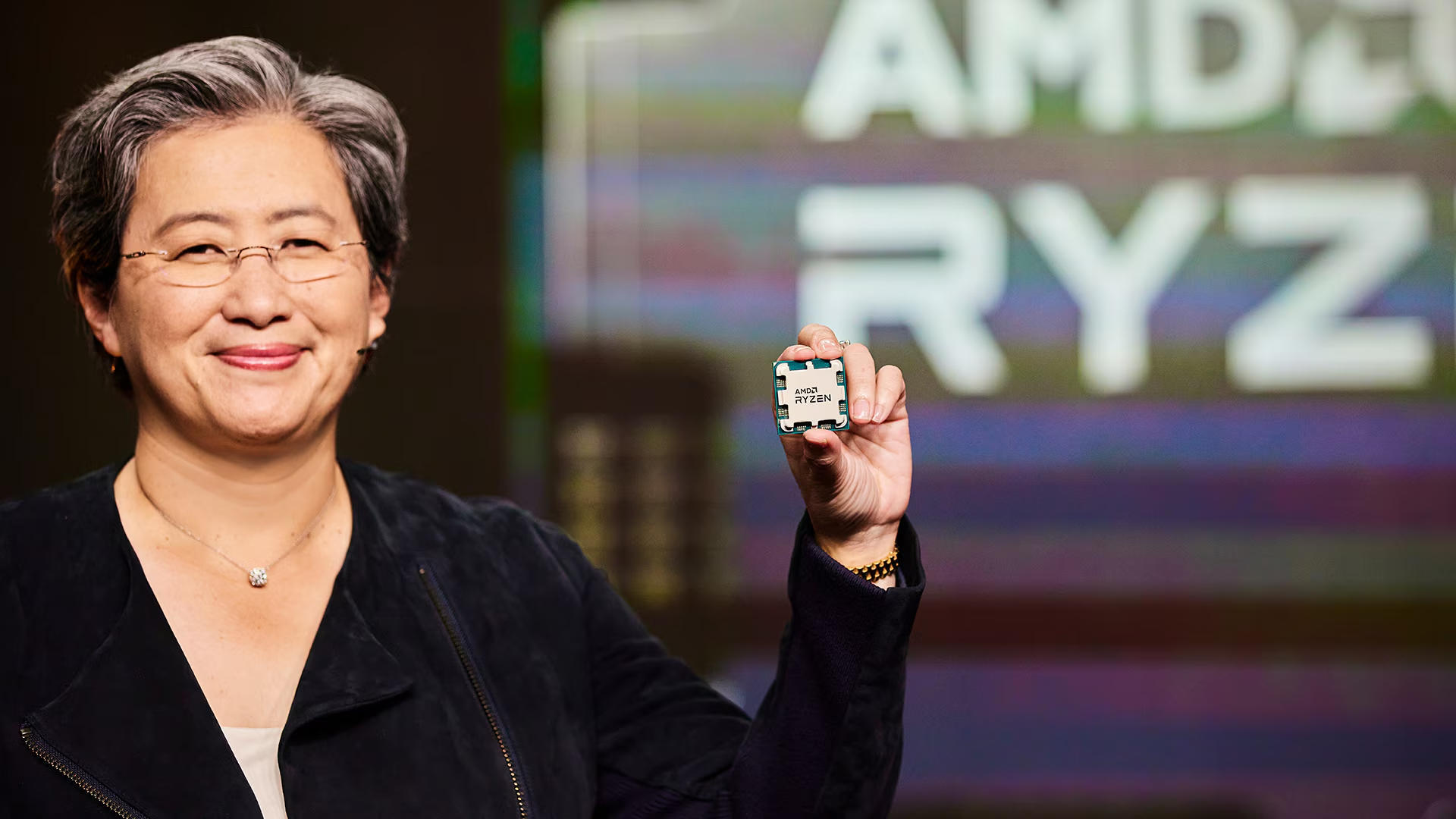
AMD CEO Lisa Su is increasingly framing the client segment as a growth engine that leans harder into enterprise workflows, especially as the broader PC market faces demand headwinds tied to inflationary pressure and rising component costs. In her recent comments, Su made it clear that AMD is not backing away from PCs, but it is recalibrating where it aims to win, prioritizing premium systems and enterprise oriented deployments that can scale across fleets and productivity use cases, rather than relying only on traditional consumer refresh cycles.
Su specifically pointed to memory pricing pressure as a key driver behind the current downturn in total addressable market conditions for PCs. Her position is that AMD can still grow its PC business even in a declining environment by concentrating on enterprise buyers and higher end segments, where AMD says it has already made strong progress in 2025 and expects that momentum to extend into 2026. From an industry strategy standpoint, this is a classic portfolio optimization move: protect share in the broader PC space, but concentrate new investment and go to market energy where purchase intent is tied to productivity, manageability, and long term deployment roadmaps.
The most likely execution path for this enterprise within client strategy is an expansion of mobile first solutions under Ryzen AI, alongside edge AI focused products that blur the lines between client devices and business infrastructure. The idea is straightforward: if AI assisted workflows are becoming standard expectations for enterprise users, then a modern client CPU and APU stack needs to be pitched not only as a consumer performance upgrade, but as a deployment ready platform for on device inference, security, and productivity acceleration. That includes AMD APUs such as Gorgon Point, the growing Ryzen AI portfolio positioning, and new form factors like AI mini PCs that can be slotted into enterprise environments where footprint, power efficiency, and local compute matter.
Financially, AMD is already using client performance as proof that the shift is working. The company reports client revenue up 37% year over year to 3.9 billion dollars, driven by Ryzen CPUs and Radeon GPUs. This matters because it shows AMD is not simply pivoting narrative, it is backing the narrative with measured outcomes. At the same time, AMD is also signaling expansion beyond traditional client revenue streams, including custom silicon collaboration tied to Xbox, which could strengthen ecosystem stickiness and diversify where AMD captures value inside the broader client computing market.
However, the consumer GPU side remains the biggest question mark in this entire client storyline. The competitive environment is brutal, the market is highly sensitive to supply constraints, and the cadence expectations from gamers are unforgiving. With RDNA 5 discussed as a H2 2027 window and RDNA 4 expected to remain relevant for several quarters, AMD’s near term options in consumer graphics appear limited to refresh oriented plays around major event windows such as Computex, or doubling down on mobile platforms like Medusa Point where AMD can package a stronger full platform story across CPU, integrated graphics, and AI acceleration. If memory supply remains constrained and pricing pressure persists, the consumer PC segment could continue to feel downstream disruption, potentially stretching into 2028, which makes enterprise weighted client positioning even more strategically rational for AMD.
From a gamer and enthusiast perspective, the takeaway is not that AMD is abandoning the client market, it is that AMD is shifting the win condition. The new battle is less about chasing volume at the lowest price points and more about owning premium client platforms that enterprises can standardize on, while keeping enough excitement and credibility in gaming to protect mindshare. If AMD can execute on edge AI value in real deployments and maintain consistent platform stability, this strategy could compound into a stronger client business even in a market that is not growing.
Do you think AMD’s enterprise first client strategy will strengthen Ryzen’s long term positioning, or could it risk losing momentum with gamers if consumer GPU innovation slows down?
