
Intel Previews Clearwater Forest Xeon 6 Plus on 18A, Targeting Edge AI and a Practical Path from 5G to 6G
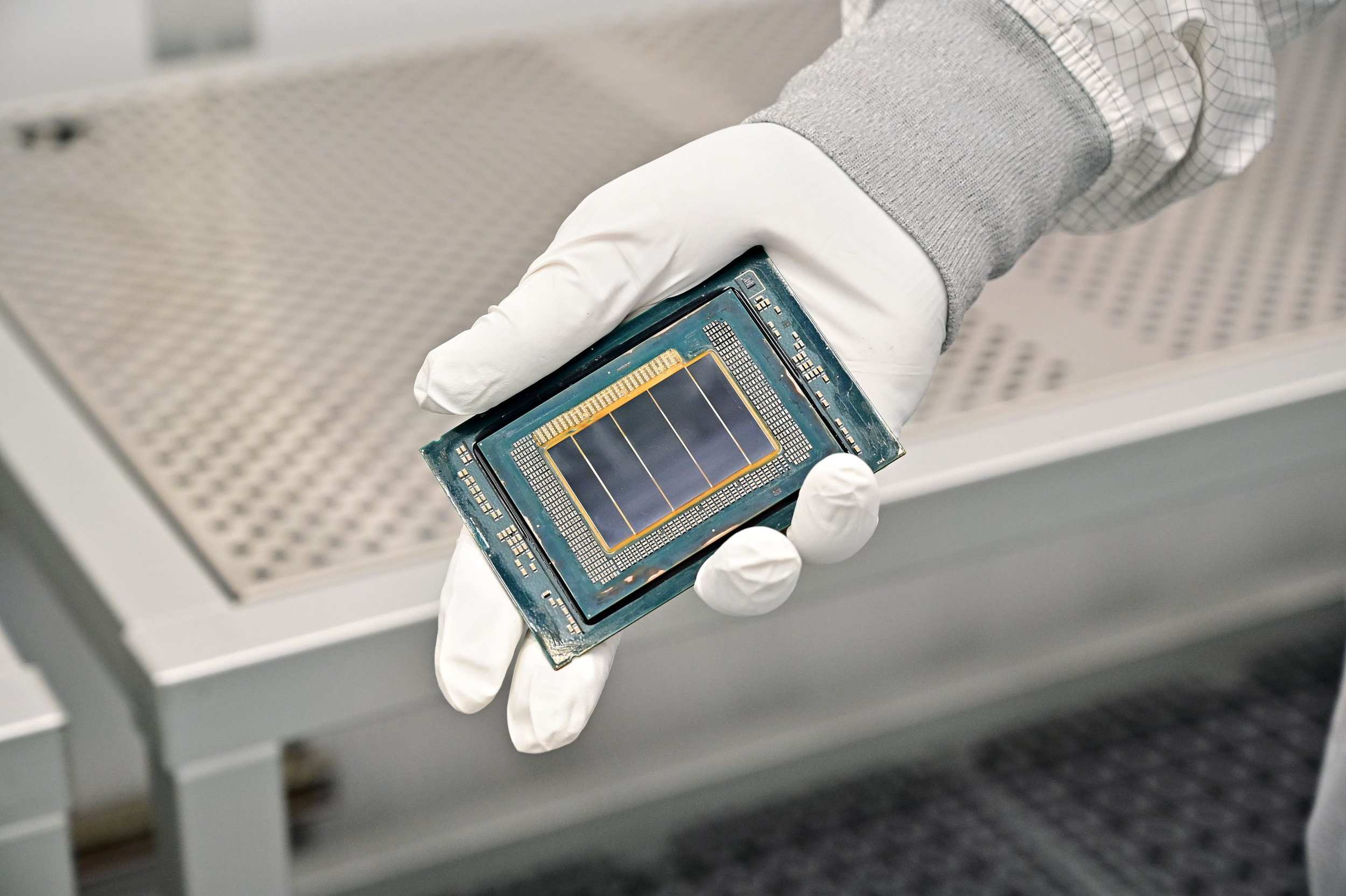
Intel is putting its next network compute narrative front and center at Mobile World Congress 2026, using Clearwater Forest, branded as Xeon 6 Plus, to argue that the road to 6G will be won by evolution, not disruption. The company’s positioning is clear: operators do not want architectural resets, they want to strengthen what already works in 5G by embedding intelligence directly into existing infrastructure, tightening security, and improving efficiency so AI inference can run inside real world power and cost constraints at scale.
In Intel’s MWC 2026 commentary, the company highlights three themes it says operators keep repeating. First, inference should be inherent, meaning AI should be built into the network, not bolted on through extra accelerators that create new silos. Second, efficiency is imperative, because the only sustainable way to fund new services is by freeing power and footprint through consolidation and lower total cost of ownership. Third, openness builds trust, because operators want a secure, stable, production grade platform that is open, proven in commercial networks, and offers a low risk evolution path to 6G.
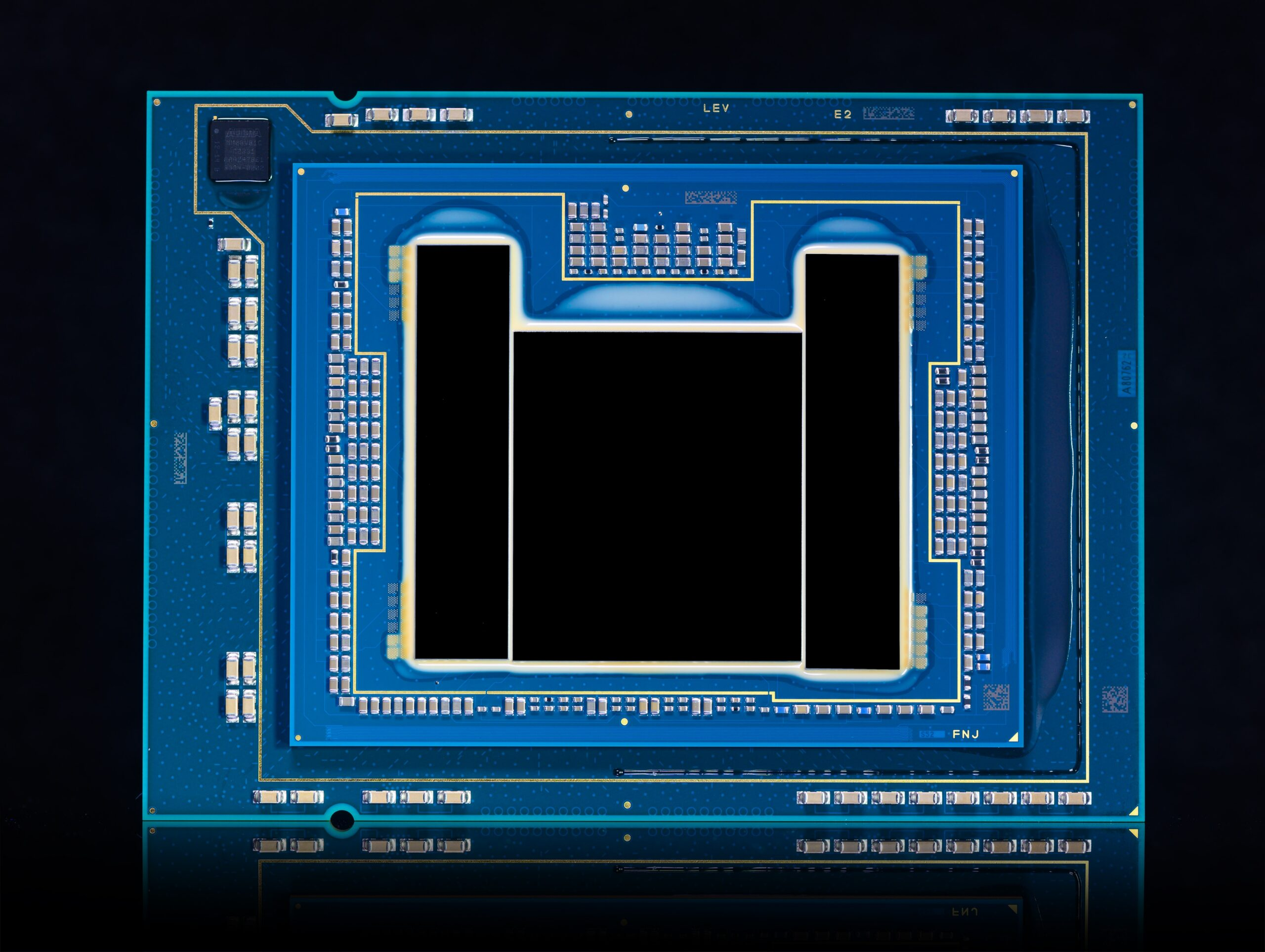
Intel’s play is to position Xeon as the common foundation that can run core network functions, security services, enterprise workloads, and AI inference on one platform, minimizing operational complexity. It also pushes back against a GPU first worldview for inference heavy telecom workloads, arguing that indiscriminately defaulting to discrete accelerators can increase cost, power, and operational overhead without being justified by the workload mix. Instead, Intel is leaning on integrated acceleration in the server stack, including Intel Advanced Matrix Extensions and vRAN Boost, to handle the bulk of inference on the CPU platform.
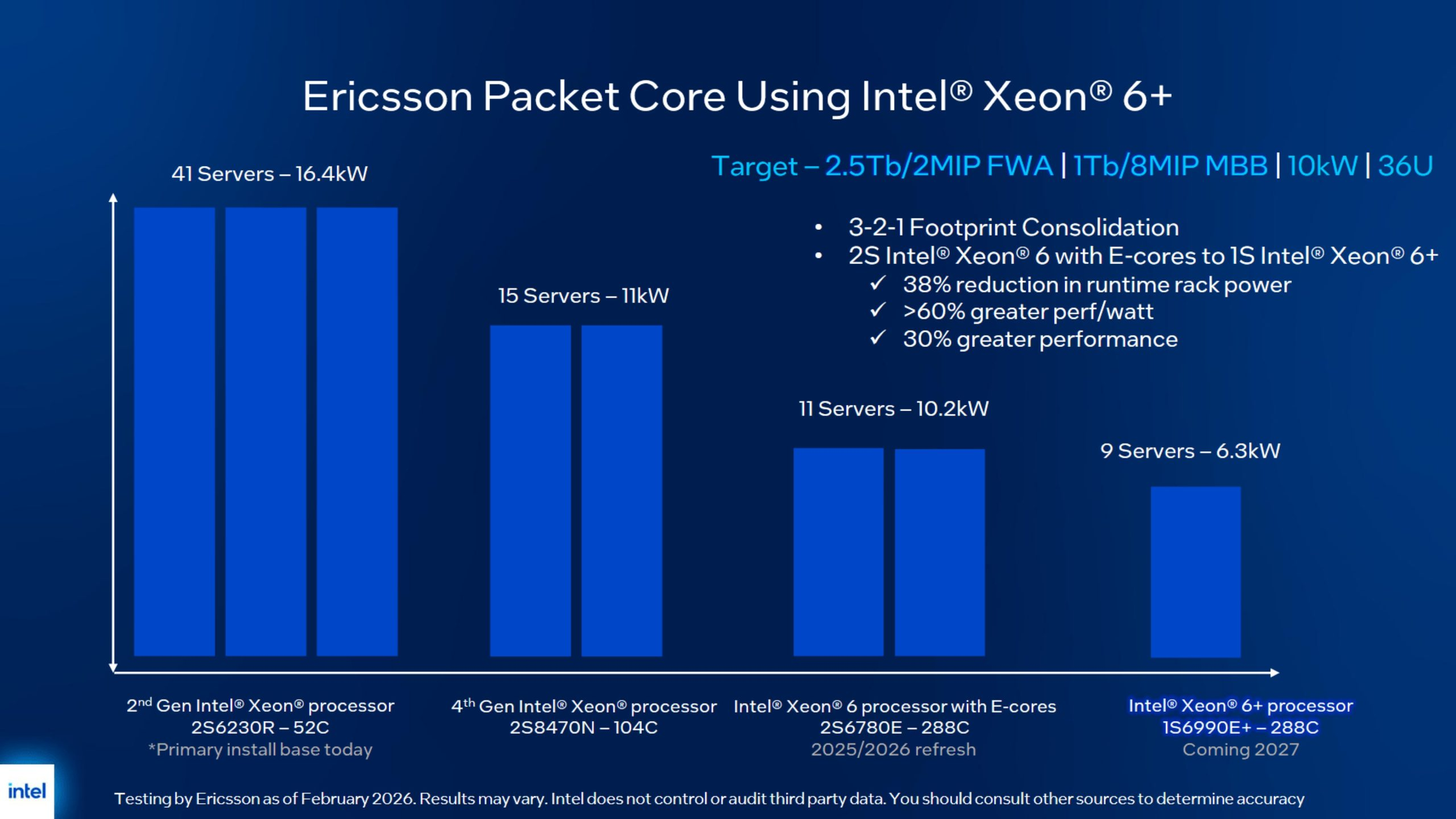
On the roadmap, Intel points to Clearwater Forest as the next step in the Xeon 6 trajectory, built on Intel 18A and designed for higher core density and better efficiency. Intel cites testing conducted by Ericsson, where a single Xeon 6990E Plus Clearwater Forest chip with 288 cores is claimed to deliver a 38 percent reduction in runtime rack power, more than 60 percent higher performance per watt, and 30 percent higher overall performance versus a dual socket Xeon 6780E Sierra Forest platform with 288 cores. Intel says Clearwater Forest is expected to arrive by 2027, and the framing is that these gains translate directly into better economics for large scale network deployments as operators push toward 6G.
The business impact is straightforward. If Intel can deliver those efficiency and density improvements in production silicon, telecom operators get a clearer path to deploy AI in live networks without ripping and replacing everything they already operate. That is not just a telco story, it is a gamer and creator story too, because a more efficient and programmable network stack is how you get more consistent performance, lower latency variability, and better service reliability as the industry moves toward AI enriched network experiences.
For Intel, the strategic objective is to keep operators anchored to an open compute foundation that scales across thousands of sites, and to make AI feel like a software upgrade to the network, not a hardware overhaul. Clearwater Forest Xeon 6 Plus is being positioned as the proof point that the 6G era can be built with predictable operations, better power budgets, and tighter security, while still accelerating innovation through software defined infrastructure.
Do you want networks to prioritize integrated AI on the CPU platform for cost and simplicity, or would you rather see more GPU class acceleration in the network if it means higher peak AI performance?
