
Former Xbox Founding Team Member Laura Fryer Says She Was Pushed Out After a GDC Harassment Incident, and Credits Phil Spencer for Helping Her Land Safely
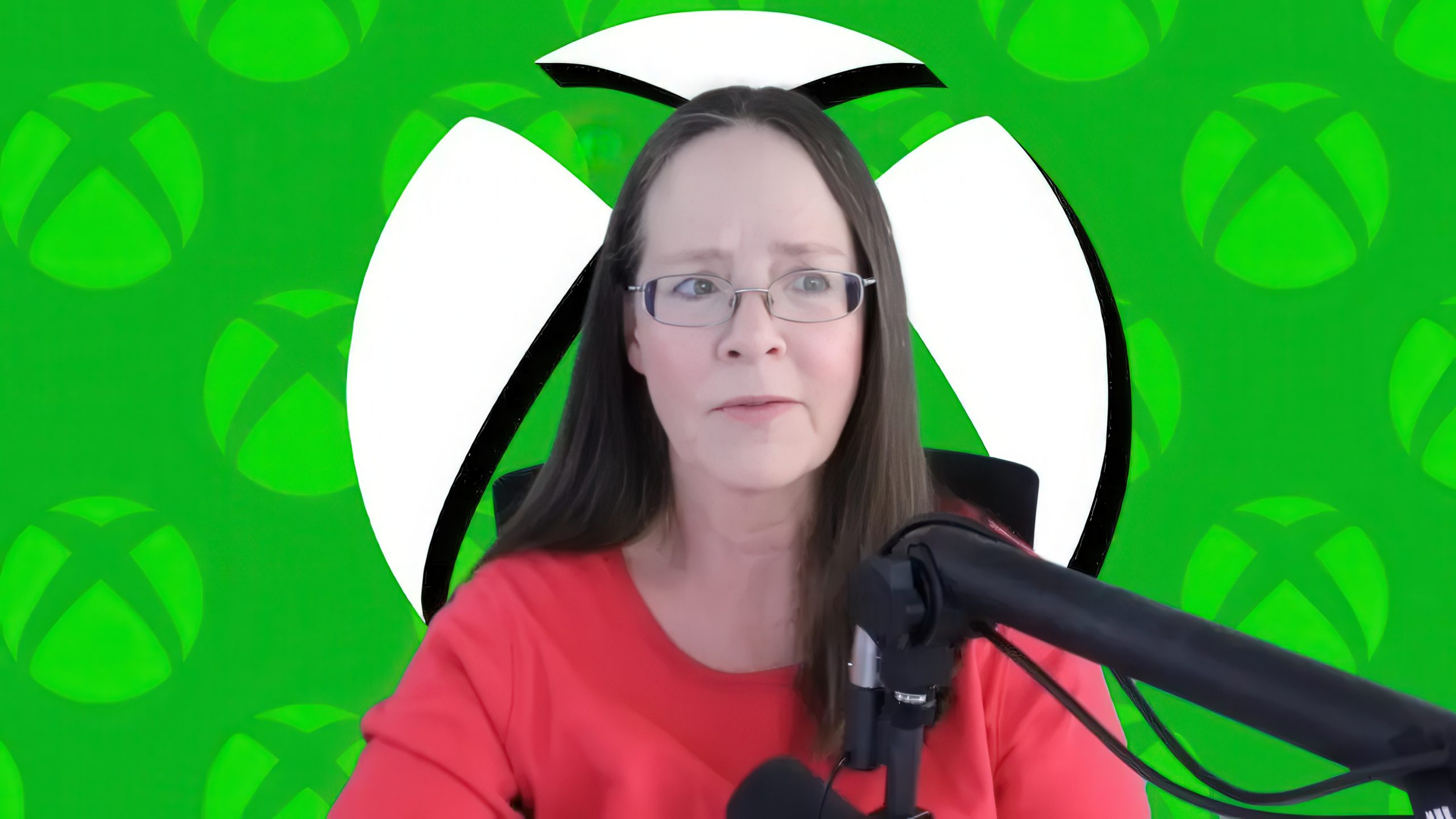
Laura Fryer, one of the original members of the Xbox founding era, has shared a deeply personal account of her time at Microsoft, including a harassment incident she says led to her being forced out of her role. In her latest YouTube video, Fryer reflects on working with Phil Spencer, who retired from Microsoft on Monday, February 23, 2026, but the most striking portion of the video is her description of what happened around GDC 2004 and how quickly her career trajectory changed afterward.
Fryer explains that in 2000 she worked directly under Xbox co founder Seamus Blackley. After Blackley left, she became Director of the Xbox Advanced Technology Group, where she says she helped cultivate worldwide Xbox Developer Support, launched XNA, created the Xbox Advisory Board, and ran Xbox developer events globally. Her description positions her as a core operator on the developer ecosystem side of the early Xbox strategy, at a time when Microsoft was trying to scale platform tooling and relationships beyond traditional publishing pipelines.
The incident she recounts took place during the Game Developers Conference in 2004, immediately after a major moment for her team. Fryer says she and her team had just unveiled XNA, Microsoft’s framework intended to simplify game development workflows across Xbox and Windows by providing higher level tools and libraries on top of .NET, reducing the need for developers to wrestle with platform specific low level implementation.
According to Fryer, after a successful day, she went with a PR representative and an Xbox executive to retrieve controllers from a hotel room. She says she was then handed a bathrobe and asked to put it on. Fryer describes laughing at first because it felt absurd, then leaving quickly because she was shaken by what had happened. She says the real shock landed the following week when she returned to work and was told she was being reorganized out of her job.
Fryer says she later confided in a friend inside Microsoft, and that friend reported the situation to Human Resources while Fryer was still processing the incident. She describes this as the point where everything flipped, stating that even though another person present reportedly confirmed her story, it did not change the outcome. In her words, her career went from red hot to radioactive, and she felt she had no institutional support.
From there, Fryer describes Phil Spencer as the person who stepped in and helped her move forward. She says Spencer urged her not to wait and invited her to join his team on the publishing side, placing her into work that aligned with her relationships and execution strengths. Fryer credits that intervention as the moment her nightmare ended, and she goes on to describe contributing to major Xbox releases including Gears of War and Gears of War 2. She later left Microsoft in 2009 and joined Warner Bros. Interactive Entertainment as the General Manager of the Seattle studio.
Beyond the personal account, the video also serves as a wider critique of corporate culture and incentives. Fryer argues that her experience reflected deeper cultural breakdowns at Microsoft, and suggests that by the time Spencer rose into top leadership, the issues were already entrenched. She notes she does not know whether Spencer was aware of the full details of what happened to her, but she frames his response as a rare example of empathy and decisive support in an environment where people often protect process over people.
In the current industry climate, where trust in leadership is increasingly tested by layoffs, studio restructuring, and aggressive adoption of automation, Fryer’s story lands as both a human account and a governance warning. It is also a reminder that platform eras are not defined only by hardware wins and software lineups, but by how organizations treat people when things go wrong, and whether leadership chooses to intervene with integrity.
What do you think matters more for rebuilding trust in big gaming organizations: stronger HR accountability, transparent reporting systems with real consequences, or executives personally stepping in when people are being pushed out?
