
Intel Officially Rolls Out XeSS 3 Multi Frame Generation for Arc Alchemist and Battlemage GPUs
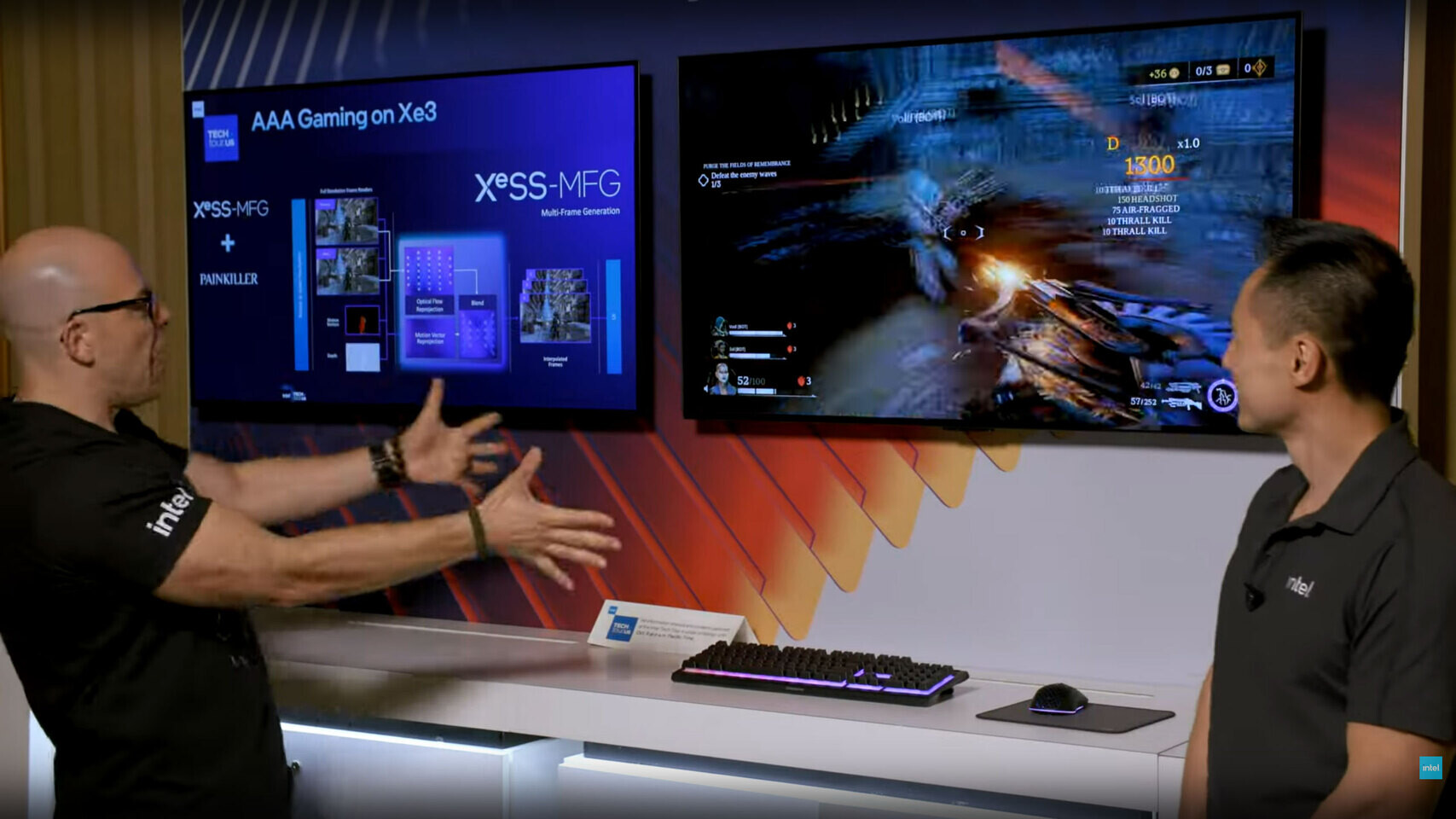
Intel has officially expanded XeSS 3 Multi Frame Generation support beyond Panther Lake, bringing the feature to a far wider slice of the Arc ecosystem with its newest Windows graphics driver release.
With the launch of Intel Arc Graphics Driver version 32.0.101.8509, Intel confirms that XeSS 3 Multi Frame Generation now supports Arc Alchemist and Arc Battlemage discrete GPUs, alongside multiple generations of Intel Core Ultra integrated Arc graphics.
What is new in Driver 32.0.101.8509
The headline update is the official platform expansion for XeSS 3 Multi Frame Generation, previously positioned around Panther Lake and Xe3 integrated graphics. Intel now states that XeSS 3 MFG support extends to:
Intel Arc B Series discrete GPUs, codename Battlemage
Intel Arc A Series discrete GPUs, codename Alchemist
Intel Arc GPUs in Intel Core Ultra Series 2 processors, codename Lunar Lake and Arrow Lake H
Intel Arc GPUs in Intel Core Ultra processors, codename Meteor Lake
From a gaming value perspective, this is Intel moving XeSS 3 MFG from an early adopter feature into a broader performance lever across both desktop and mobile platforms. It also closes the gap between official support and what enthusiasts have been demonstrating through unofficial workarounds.
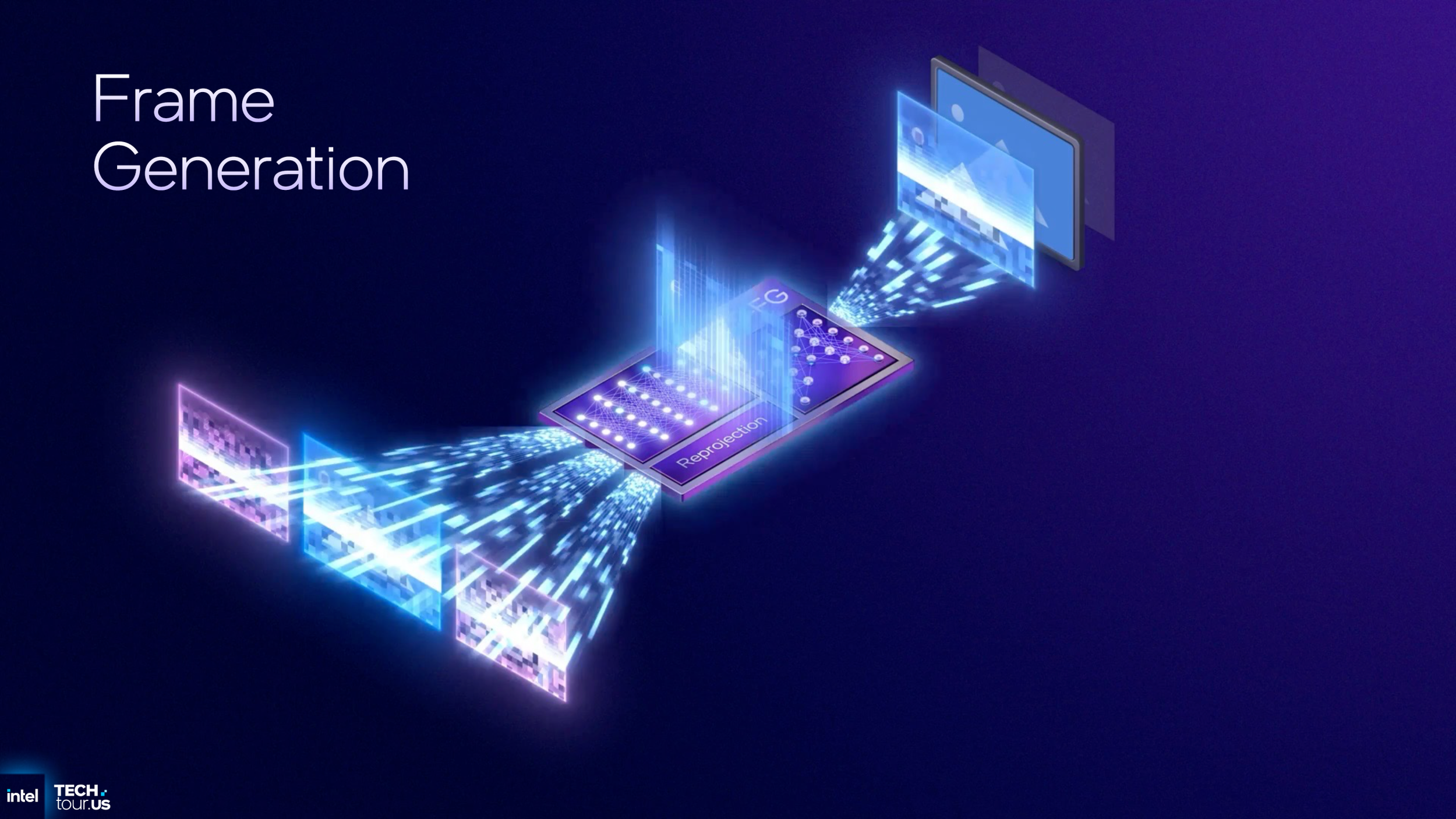
Multi Frame Generation is designed to lift perceived frame rates by inserting additional frames between traditionally rendered frames. Intel’s positioning is straightforward: more fluid gameplay in modern titles, especially for users on entry level and midrange Arc configurations where GPU headroom is tighter.
Community workarounds previously showed that XeSS 3 MFG could function on older Arc hardware by moving DLL files between driver folders, and early results in demanding games suggested major FPS uplifts even on lower tier GPUs. With 32.0.101.8509, Intel is effectively productizing that momentum into a supported path that reduces friction for mainstream users.
Input latency will remain a key discussion point for any frame generation solution. In practical terms, 2X and 3X modes typically land as the more balanced options for responsiveness, while higher multipliers can make latency more noticeable depending on the title, settings, and baseline FPS.
Intel’s release notes list a wide spread of fixes and known issues across Core Ultra Series 3 iGPUs, Arc B Series, Arc A Series, and Core Ultra Series 2 iGPUs. Highlights include terrain color corruption fixes in Ghost of Tsushima for multiple platforms, plus a range of application crash and visual corruption issues that remain under known issues.
If you are planning to enable XeSS 3 MFG immediately, the most operationally sound approach is to pair the feature test with your primary games and monitor stability first, especially for titles called out under known issues.
What Arc GPU are you targeting this with, and which game do you want to benchmark first to validate the real world uplift and latency tradeoff?
