
Intel Officially Joins Elon Musk’s TeraFab Project as Texas AI Chip Push Targets 1 TW of Compute Per Year
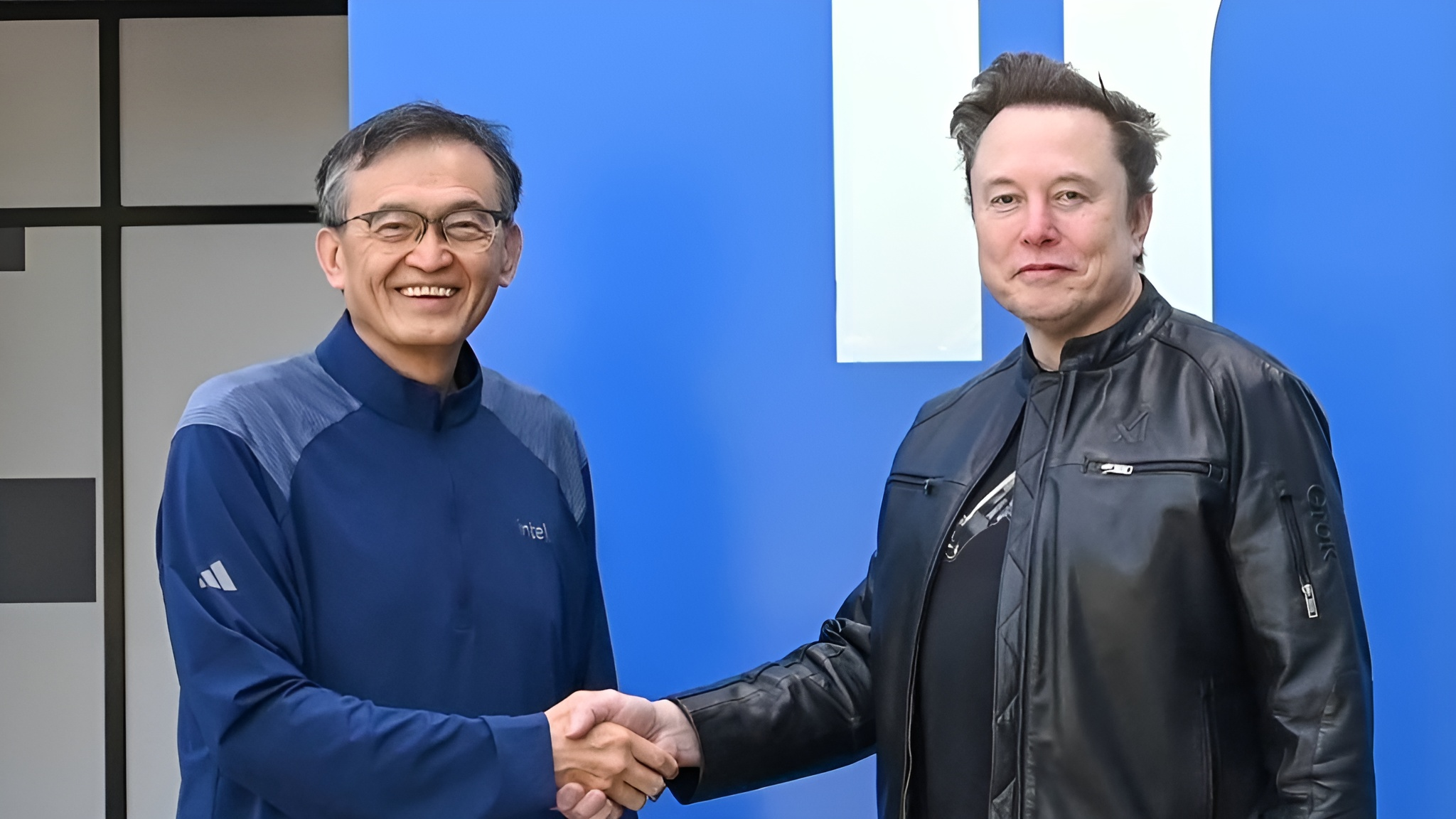
Intel has now officially joined Elon Musk’s TeraFab project, confirming one of the more surprising semiconductor partnerships of the year. The company announced the move in a post on X, saying it is joining the project alongside SpaceX, xAI, and Tesla to help “refactor silicon fab technology” and support TeraFab’s goal of producing 1 terawatt per year of compute for future AI and robotics workloads. Reuters separately reported the partnership on April 7, confirming that Intel is joining Musk’s chip initiative and that the project is tied to processor production for Tesla, SpaceX, and broader AI infrastructure ambitions.
Intel is proud to join the Terafab project with @SpaceX, @xAI, and @Tesla to help refactor silicon fab technology.
— Intel (@intel) April 7, 2026
Our ability to design, fabricate, and package ultra-high-performance chips at scale will help accelerate Terafab’s aim to produce 1 TW/year of compute to power… pic.twitter.com/2vUmXn0YhH
That makes the collaboration real, but several of the more aggressive conclusions being attached to it still go beyond what has actually been confirmed. Intel’s public statement does not specify that 18A will be licensed into Tesla’s production lines, nor does it confirm a revenue split, packaging scope, or detailed manufacturing structure. Reuters said Intel would help produce processors for the project, while TechCrunch noted that Intel has not yet provided much detail on the precise scope of its contribution. So the partnership is official, but the specific execution model remains unclear for now.
What is clear is the strategic direction. TeraFab is being framed as a domestic semiconductor and AI manufacturing effort centered in Texas, with a scale far beyond the normal language used for individual fab announcements. Reuters reported that the initiative is designed to support future demand tied to robotics, autonomous vehicles, and AI data centers, while Barron’s and The Wall Street Journal both described it as part of a much broader attempt by Musk’s companies to secure compute and reduce dependence on outside chip supply chains.
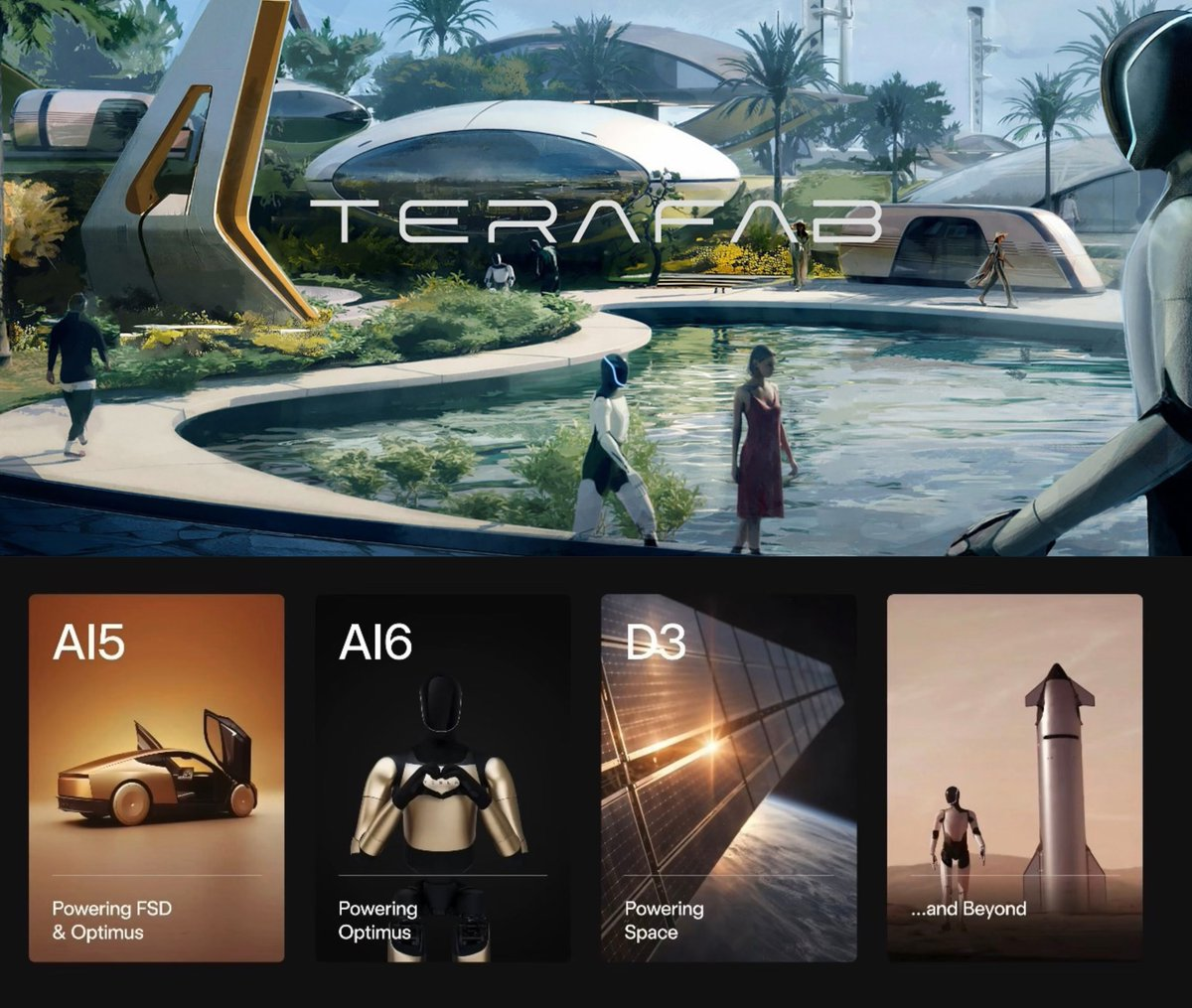
For Intel, this is a meaningful credibility win. The company has spent the last year pushing the idea that its manufacturing, packaging, and foundry capabilities can play a bigger role in the AI boom, especially in the United States. By joining a high profile project tied to Musk’s ecosystem, Intel gets a powerful proof point that at least some major players still see strategic value in its ability to design, fabricate, and package advanced chips at scale. That is especially relevant as Intel continues trying to rebuild confidence around its foundry business.
The bigger industry angle is that this is not just about one foundry agreement. It is about the increasing importance of a fully domestic chip stack. If TeraFab succeeds, it could become one of the clearest attempts yet to localize advanced AI silicon production, packaging, and deployment inside the United States rather than depending as heavily on overseas manufacturing. That is one reason the project is drawing so much attention even before the fine print is public.
Still, there is a major difference between announcing a partnership and proving that a project of this scale can actually deliver. Producing 1 TW of compute per year is an enormous target, and even supportive coverage has noted that the engineering and capital demands will be extreme. For that reason, the most important next step is not the announcement itself, but whether Intel, Tesla, SpaceX, and xAI start revealing concrete details on node choice, production timing, packaging plans, and how quickly TeraFab can move from ambition to actual output.
For now, the headline is simple: Intel has officially joined TeraFab. What remains unanswered is whether this becomes a true manufacturing inflection point for the AI industry, or just one more moonshot that sounds larger than what it can realistically ship.
Do you think TeraFab can become a real domestic alternative at AI scale, or is the 1 TW target still too ambitious even with Intel involved?
