
Intel Touts New SHIELD Defense Contract Positioning as the United States Expands a $151B Missile Defense Acquisition
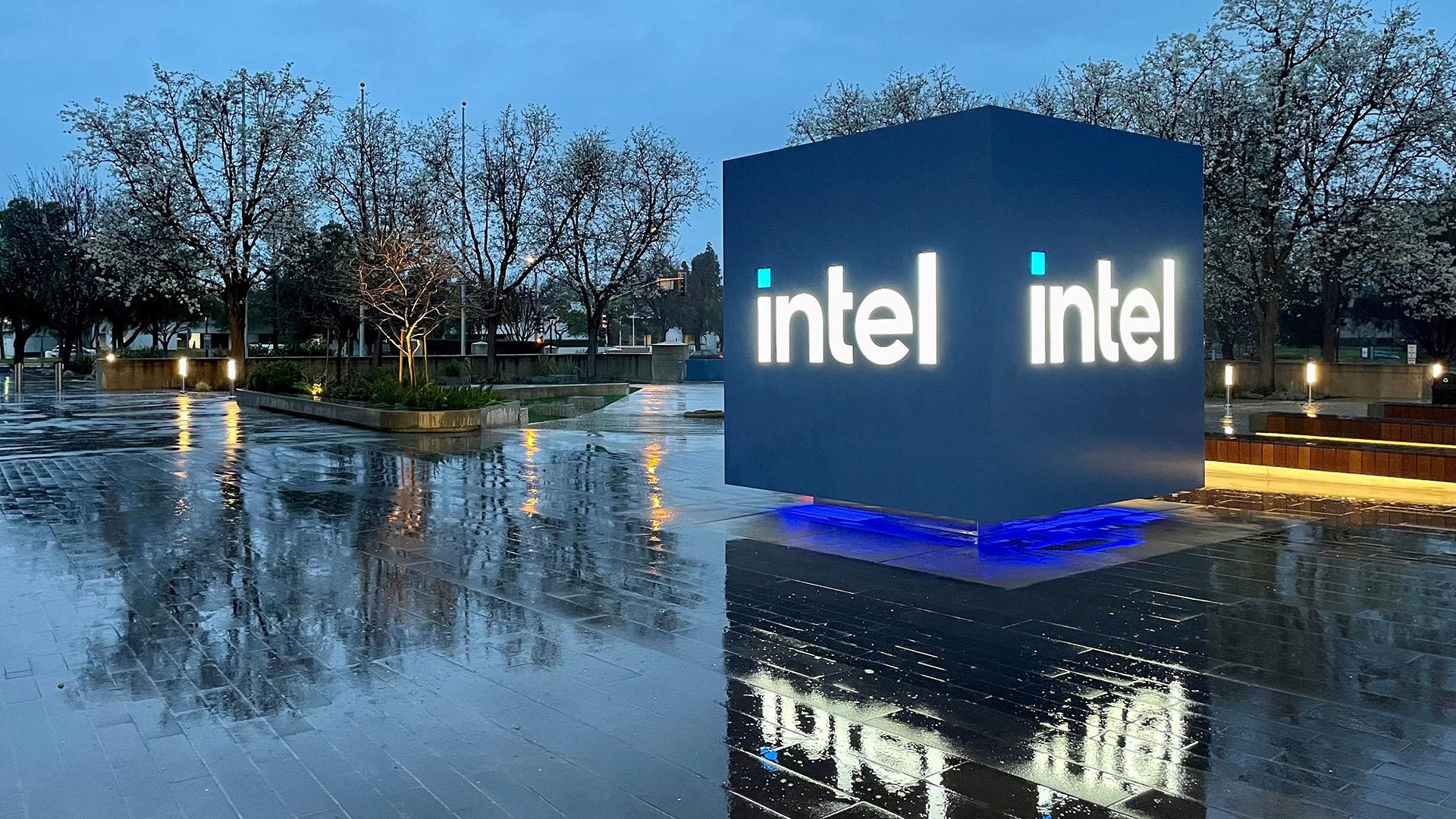
Intel has been named an awardee under the Missile Defense Agency Scalable Homeland Innovative Enterprise Layered Defense SHIELD multiple award indefinite delivery indefinite quantity contract, a massive contract vehicle with a $151B ceiling. The award appears in the US government contracts listing dated December 18, 2025, which notes an additional tranche of awards under SHIELD as the government continues staggered onboarding of performers.
Intel’s inclusion was also highlighted by James Chew, Intel Vice President of Government Technology, in a public post stating Intel was awarded a performer role on the SHIELD IDIQ and emphasizing domestic manufacturing plus advanced packaging as key differentiators for national security missions.
Strategically, SHIELD matters less as a single program award and more as a scale pathway. An IDIQ of this size signals an umbrella mechanism designed to move faster across multiple technical work areas, allowing the Missile Defense Agency to compete task orders rapidly rather than rebuilding procurement from scratch each time. That structure is also why being listed as an awardee is a meaningful positioning win for Intel Foundry even if specific node allocations and volumes are not disclosed at this stage.
This award lands after Intel’s earlier defense focused Secure Enclave milestone, which has been described as a 3,500,000,000$ Pentagon related effort tied to producing advanced semiconductors for military and intelligence applications. Intel has positioned Secure Enclave as part of a broader defense microelectronics portfolio, and coverage of the program has also noted that funding mechanics and implementation details have been debated over time across agencies.
From an execution lens, the key takeaway is that Intel is building a government anchored demand base while continuing to pursue external commercial foundry adoption. Intel and multiple large fabless firms have been linked in ongoing discussions around leading edge nodes, but the market is still waiting for public confirmation of high volume commitments. In the near term, defense contract vehicles like SHIELD help Intel reinforce credibility, keep capacity relevant, and validate packaging plus supply chain claims in a segment where domestic manufacturing is a procurement advantage, not a nice to have.
Do you see defense contracts like SHIELD as a catalyst that accelerates Intel Foundry competitiveness, or as a parallel track that does not necessarily translate into broader commercial foundry wins?
