
Anthropic CEO Dario Amodei Says China Is Still Behind in AI Because It Lacks Compute, Blasts H200 Export Approval as High Risk
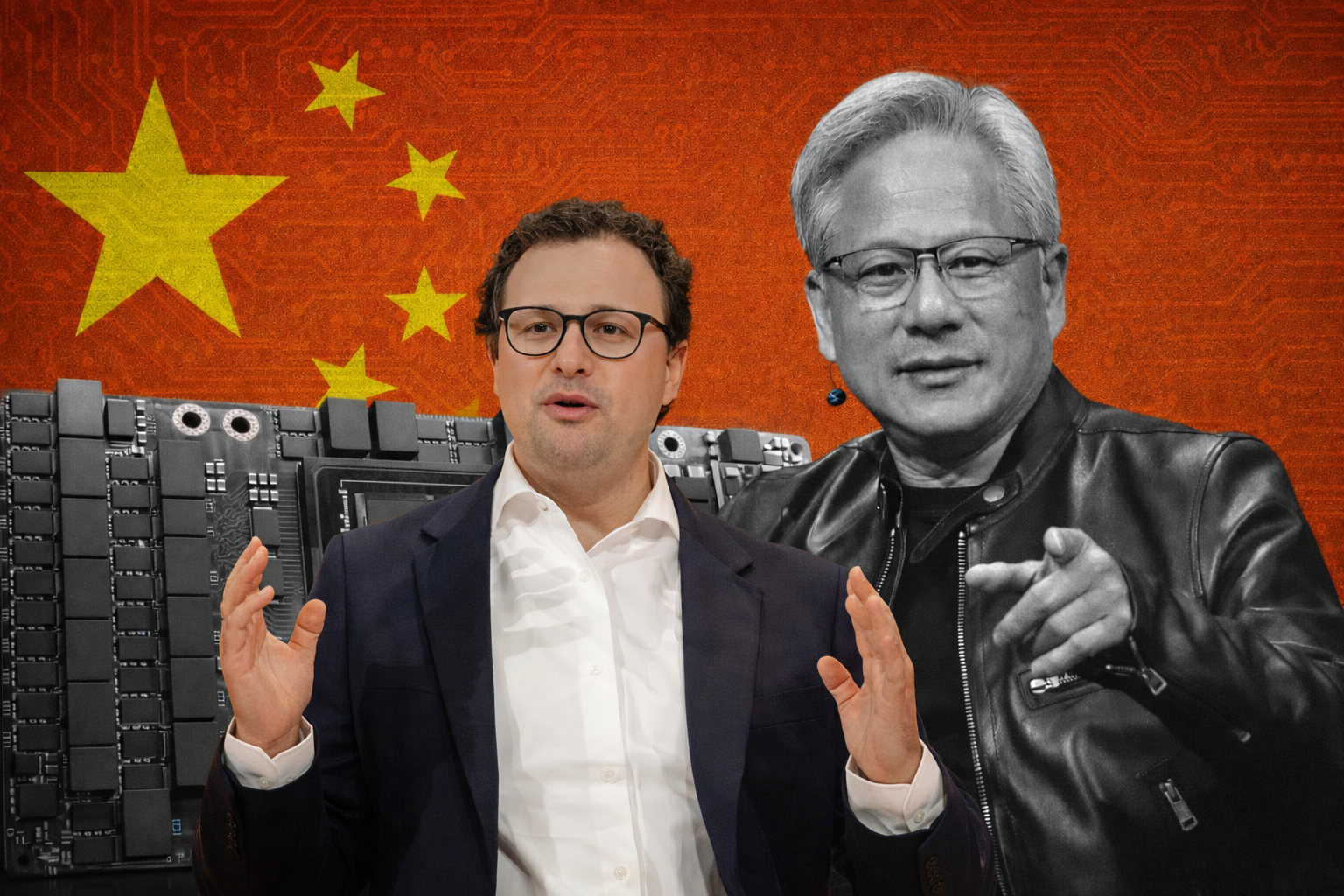
Anthropic chief executive Dario Amodei is escalating the public debate over whether the United States should reopen access to advanced NVIDIA AI chips for China, arguing the core reason China remains behind in frontier model development is not talent or ambition but compute scarcity. In a recent Bloomberg Television interview, Amodei was asked about the Trump administration’s move to allow exports of NVIDIA’s H200 class accelerators to China, and he responded with an unusually sharp analogy, comparing the policy direction to selling nuclear weapons to North Korea.
Amodei’s argument is straightforward from a strategy lens. If compute is the limiting reagent for frontier AI, then easing access to high end accelerators directly reduces the friction China faces in training and scaling next generation systems. He frames the H200 export greenlight as a self inflicted erosion of America’s advantage, emphasizing that even chips described as a generation behind can still be highly competitive versus domestic Chinese alternatives for many training and inference workloads.
This is not a new posture for Anthropic. In 2025, the company pushed for tighter controls and publicly criticized NVIDIA’s positioning on export policy, including a widely circulated dispute after Anthropic referenced smuggling tactics like concealed shipments using prosthetic baby bumps and cargo tricks. That messaging triggered an unusually direct rebuttal from NVIDIA, which accused Anthropic of telling tall tales and urged a focus on innovation rather than exaggerated smuggling narratives.
What makes the current moment more combustible is that the export decision is now tied to real policy mechanics, not hypotheticals. Reporting around the approval has described conditions such as third party testing and restrictions intended to limit military end use, but critics argue enforcement is structurally difficult once hardware enters commercial channels and the ecosystem of intermediaries. Meanwhile, additional reporting has highlighted how the situation can become politically and logistically messy on both sides of the Pacific, with uncertainty around how Chinese authorities will treat inbound shipments even if United States approval is granted.
Amodei also leans on the broader narrative that Chinese AI groups have felt real pressure from constrained access to NVIDIA hardware, and that this pressure is a feature, not a bug, if the United States goal is to preserve a lead in frontier systems. This directly collides with NVIDIA’s long running position that blocking sales accelerates domestic Chinese substitution and risks turning the China market into a permanently lost platform, while also creating incentives for gray market procurement.
The result is a clear split screen. Anthropic is advocating for a defensive posture that treats compute as strategic infrastructure and supports stricter diffusion controls. NVIDIA is advocating for a market access posture that treats controlled export pathways as preferable to total denial and uncontrolled workarounds. Both claim national interest alignment, but they optimize for different risks: Anthropic optimizes against capability transfer, NVIDIA optimizes against long term ecosystem loss and substitution.
Should the United States treat high end AI accelerators like strategic assets that stay tightly restricted, or is a controlled export pathway the more realistic way to protect both competitiveness and enforcement?
