
Intel Expands Unlocked CPU Strategy Beyond Premium Chips, Budget and Mainstream Overclocking Plans Take Shape
Intel appears ready to make one of the most enthusiast friendly shifts in its desktop CPU roadmap in years. According to a new statement shared with PCGamesHardware, Robert Hallock said Intel intends to roll out “more and more unlocked SKUs over time,” with the goal of making overclocking a broader feature instead of something reserved only for buyers spending the most on a processor. The statement points to a more inclusive strategy for the desktop segment, where enthusiasts on tighter budgets may finally get access to the same feature set that has historically been locked behind premium K class chips.
That is a meaningful change for Intel’s traditional desktop playbook. For years, multiplier based overclocking has largely been tied to unlocked K and KF processors, which usually sit higher in the stack and often carry notably higher pricing than mainstream non K parts. Hallock’s wording suggests Intel now wants to reposition overclocking as an enthusiast capability that should not be defined purely by spending power. From a market strategy standpoint, this aligns Intel more closely with the broader enthusiast accessibility AMD has long benefited from in the desktop space.
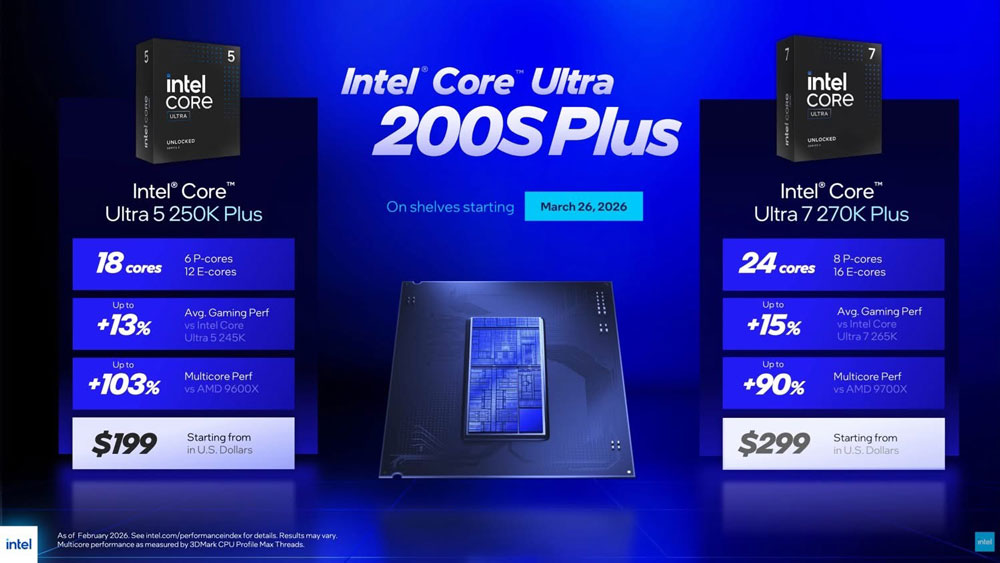
The timing also makes sense. Intel has already begun laying some groundwork for this approach through its current desktop refresh strategy. Coverage around the new comments notes that Intel’s recent Core Ultra 200S Plus lineup has already pushed unlocked value further down the stack, with the Core Ultra 5 250K Plus positioned at $199 and the Core Ultra 7 270K Plus at $299. That pricing alone signals a more aggressive effort to make unlocked desktop parts feel relevant outside the usual flagship conversation, especially for builders targeting stronger value per dollar in gaming and general performance systems.
For the DIY market, this could have real upside. Budget and mainstream builders have become more demanding over the last few years, not less. Many want the flexibility to tune clocks, memory, and platform behavior without being forced into a top tier CPU purchase. In that sense, Intel’s new direction is not just about product segmentation. It is about recognizing that the enthusiast audience now extends well beyond luxury tier hardware buyers. A gamer building a cost efficient system around a midrange processor is still very much part of the overclocking culture, and Intel now appears willing to serve that reality more directly.
There is also an important motherboard angle here. The broader desktop ecosystem has already shown that lower priced boards can deliver serious tuning potential. Strong mATX and ATX designs at more mainstream prices now routinely offer robust CPU and memory overclocking support, and some have used external base clock generators to push non K chips beyond official limits. That approach has existed before, but it has not always been fully embraced at the platform level. If Intel eventually relaxes its stance further and officially broadens unlocked access deeper into the stack, it could create a much stronger value proposition for desktop builders and board partners alike.
At the same time, the roadmap implications are worth watching carefully. Hallock’s quote points to a long term direction rather than an immediate across the board policy change. Intel has not yet outlined exactly how wide this unlocked expansion will go, which product families will get it first, or whether any limits will remain around chipset tiers, warranty treatment, or non traditional overclocking methods. So while the message is clearly positive, the practical details will matter a lot. Enthusiasts will want to know whether this means more affordable K class chips, looser multiplier access on more SKUs, or a deeper rethink of how Intel defines desktop tuning altogether.
Still, the bigger picture is difficult to ignore. Intel’s current desktop strategy is already evolving through platform refreshes and a stronger focus on keeping socket ecosystems active for longer. Expanding unlocked processors into budget and mainstream price bands fits neatly into that broader push. It gives Intel a cleaner story for gamers, overclockers, and first time builders who want more freedom without overspending, and it could help the company rebuild stronger momentum in the DIY channel if execution follows the messaging.
For enthusiasts, this is the kind of change that could make future Intel desktop launches far more interesting than simple core count or clock speed updates alone. If Intel follows through, overclocking may stop being a premium only badge and start becoming a wider platform feature again, which is exactly the kind of shift the desktop community has been waiting to see.
Would you buy a budget Intel CPU if it came with true unlocked overclocking support, or do you still think premium chips should keep that advantage?
