
Apple Reshuffles Leadership as Tim Cook Moves to Executive Chairman and John Ternus Takes the CEO Role
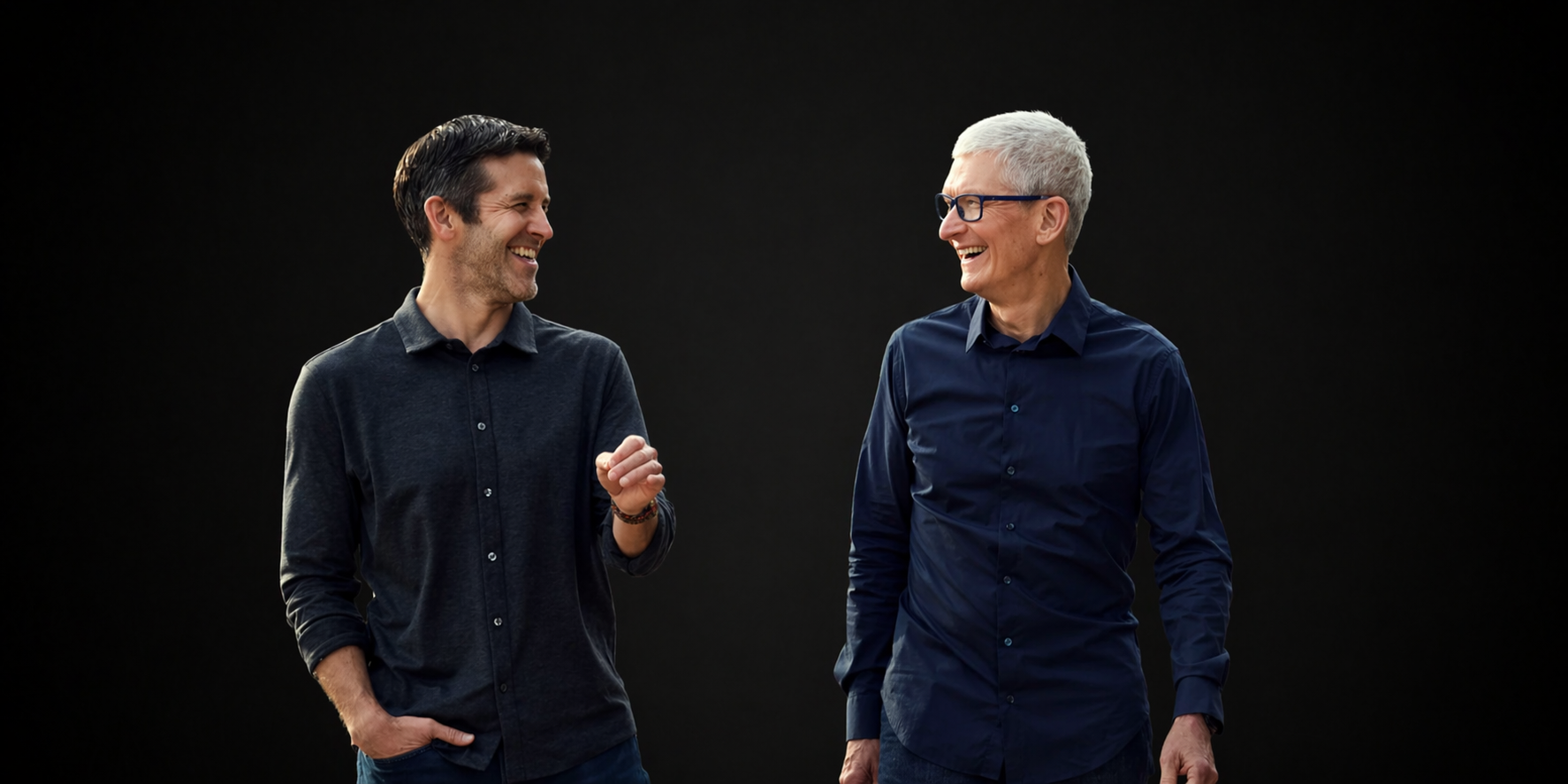
Apple has formally set in motion one of the most important executive transitions in its modern history, confirming that Tim Cook will step down as chief executive officer on September 1, 2026, and move into the role of executive chairman of the board. In his place, current Senior Vice President of Hardware Engineering John Ternus will become Apple’s next CEO, a move that signals continuity in product leadership while opening the door to a new phase of execution inside the company.
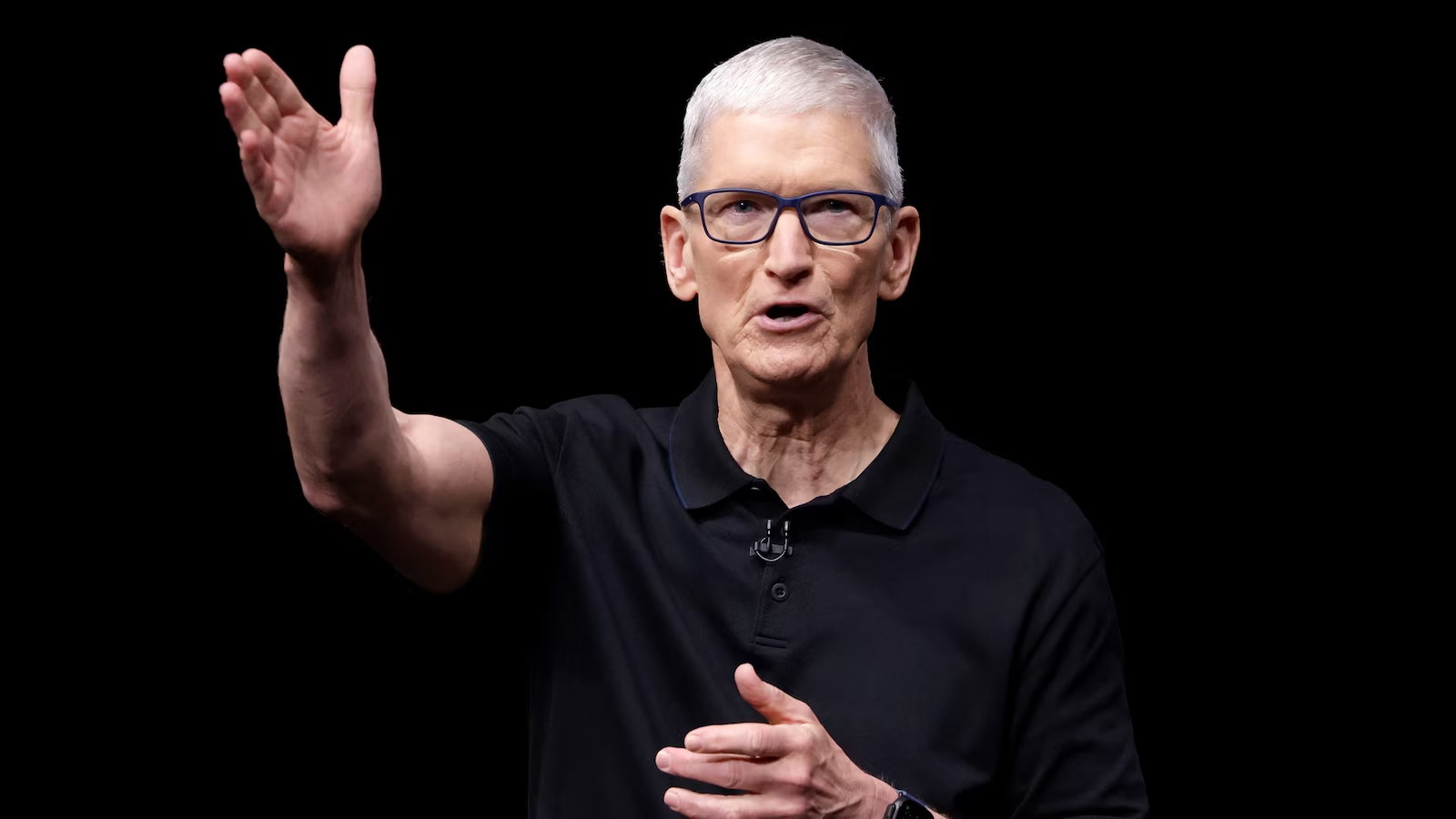
The announcement, published through Apple Newsroom, frames the handoff as the result of a long term succession plan unanimously approved by Apple’s board. Cook will remain CEO through the summer to support the transition, while Arthur Levinson will move from non executive chairman to lead independent director on the same September 1 timeline. Ternus will also join Apple’s board of directors as part of the change.
From an industry perspective, the choice of Ternus is not especially surprising. He has long been viewed as one of the strongest internal candidates to eventually take the top role, particularly as Apple continued elevating his profile across major hardware launches. Reuters also noted that Ternus has become central to Apple’s device strategy, making the promotion look less like a sudden disruption and more like a carefully staged baton pass inside Cupertino.
This is not just a CEO swap. Apple is also realigning its hardware power structure underneath Ternus. In a separate official announcement, Apple confirmed that Johny Srouji has been promoted to Chief Hardware Officer, effective immediately. That expanded role gives Srouji oversight of both Hardware Engineering and Hardware Technologies, effectively consolidating some of the most important engineering functions in the company under the executive who helped shape Apple silicon into one of the strongest strategic assets in the consumer tech market.
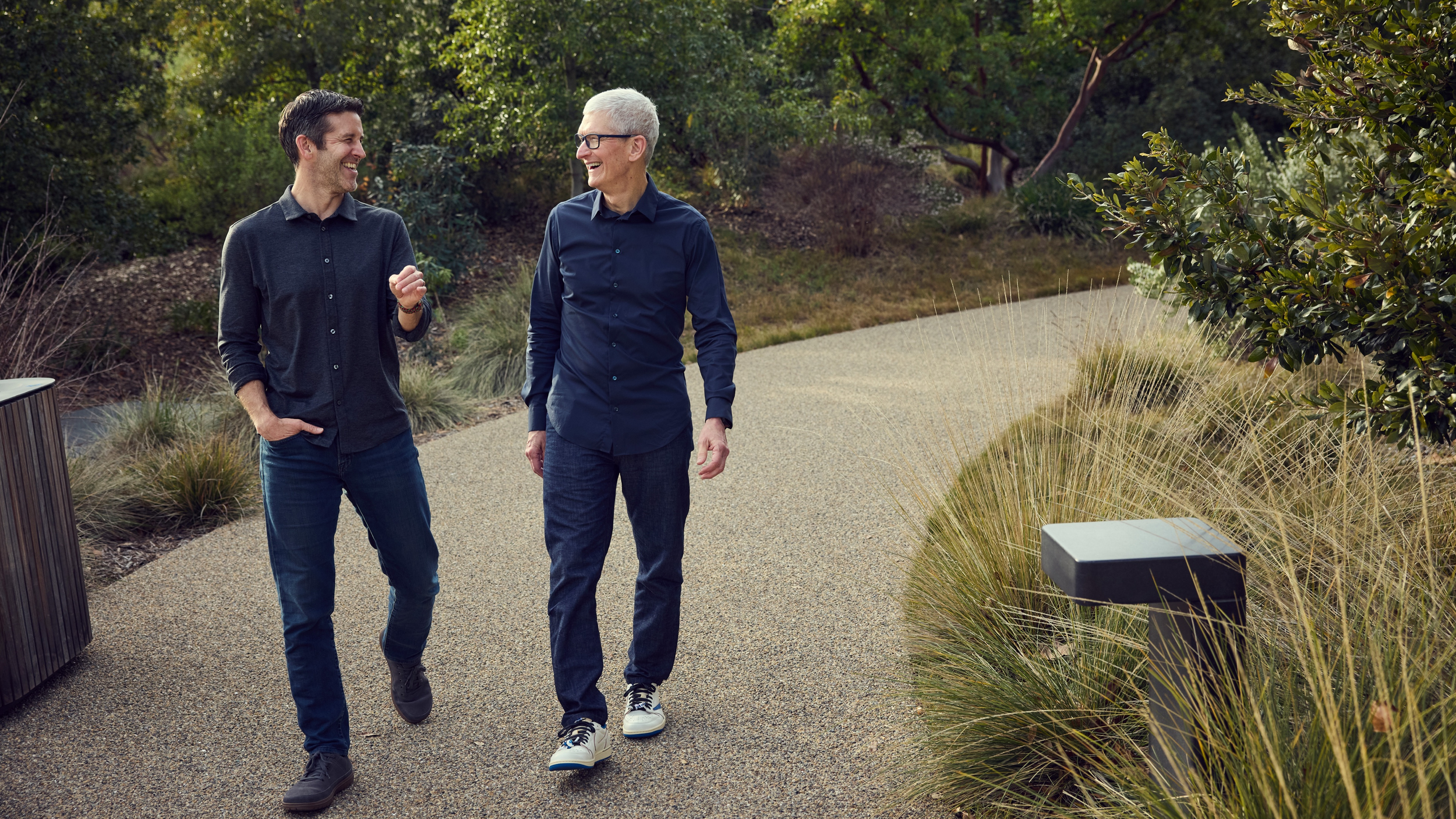
The downstream effect is equally notable. Reports tied to Apple’s internal reorganization indicate that Tom Marieb, previously Apple’s Vice President of Product Integrity, is stepping into a broader hardware engineering leadership role under Srouji. That matters because it shows Apple is not simply replacing Cook at the top, but redesigning reporting lines across the product organization to tighten control and speed up execution. In practical terms, this kind of restructuring can have a direct impact on how quickly Apple moves from concept to productization, especially in a market where silicon, AI features, power efficiency, and platform integration increasingly define competitive advantage.
Cook’s own comments suggest that he believes Apple is making the move from a position of strength rather than pressure. Apple highlighted that during his tenure the company grew from an approximately 350 billion dollar market capitalization to 4 trillion dollars, while annual revenue rose from 108 billion dollars in fiscal 2011 to more than 416 billion dollars in fiscal 2025. The company also expanded to more than 200 countries and territories, increased its installed base to more than 2.5 billion devices, and built services into a business worth more than 100 billion dollars. Those are not just legacy numbers. They are the financial foundation that gives Apple room to reset leadership without immediately triggering a crisis narrative.
At the same time, the transition lands at a moment when Apple is under heavier pressure to prove its next growth engine. A Bloomberg report indicates that Ternus is already backing a stronger internal AI push, including changes meant to accelerate product development and improve quality. Reuters has likewise framed the post Cook era as one where Apple must show it can sharpen its AI execution while preserving the hardware led formula that made the company dominant in the first place. For gamers, creators, and power users, that could translate into a more aggressive pace for smarter on device features, tighter silicon integration, and faster iteration across Mac, iPhone, iPad, and future platform categories.
There is also symbolic weight in the transition. Apple has historically been defined by eras of leadership that map directly to product philosophy. Steve Jobs represented vision and category creation. Tim Cook represented scale, operational discipline, and ecosystem expansion. John Ternus now inherits a company that is financially stronger than ever, but also facing a new kind of expectation from the market: not just to refine great hardware, but to prove that Apple can turn AI into a meaningful platform advantage rather than a reactive feature layer. If Cook’s tenure was about building the fortress, Ternus’ tenure may be judged by how effectively he modernizes it.
The social reaction around the announcement has also been immediate, with commentary across Josh Kale, Aaron, and Mark Gurman on X focusing on how long this succession had been telegraphed and what it means for Apple’s next internal power map. Even so, the real story is not simply that Cook is stepping aside. It is that Apple is using the moment to rewire the command structure of its hardware empire at the same time it prepares for a more AI driven product cycle.
Tim Cook stepping down is best case scenario for Apple.
— Josh Kale (@JoshKale) April 20, 2026
Cook was the perfect CEO for the iPhone decade. A supply chain savant who turned one product into $4T.
John Ternus is perfect for what comes next:
→ Started his career building VR headsets in the 90s
→ Joined Apple in… https://t.co/XEoZtP7EKn pic.twitter.com/OlAU4cFL8i
Johny Srouji named Apple’s Chief Hardware Officer
— Aaron (@aaronp613) April 20, 2026
Apple today announced that, effective immediately, Apple executive Johny Srouji will become chief hardware officer. Srouji, who most recently served as senior vice president of Hardware Technologies, will assume an expanded role… pic.twitter.com/0Ma6wLi7pi
Cook tells employees he’s stepping down now because 1) the financials of the company are strong 2) the roadmap ahead is “incredible” and 3) Because Ternus is now ready. https://t.co/DUnI0olfFP
— Mark Gurman (@markgurman) April 21, 2026
For Apple watchers, this is a pivotal moment. For the broader tech industry, it is one of the most consequential executive transitions in years. And for a company whose identity has always been tied to who leads it and how products are built, September 1, 2026 now looks like the first day of Apple’s next era.
What do you think Apple’s next chapter under John Ternus will focus on most: stronger AI, a renewed hardware push, or a completely new product category?
