
Intel Arc B580 Outsells Radeon RX 9070 and RTX 5060 Ti 8 GB at Mindfactory
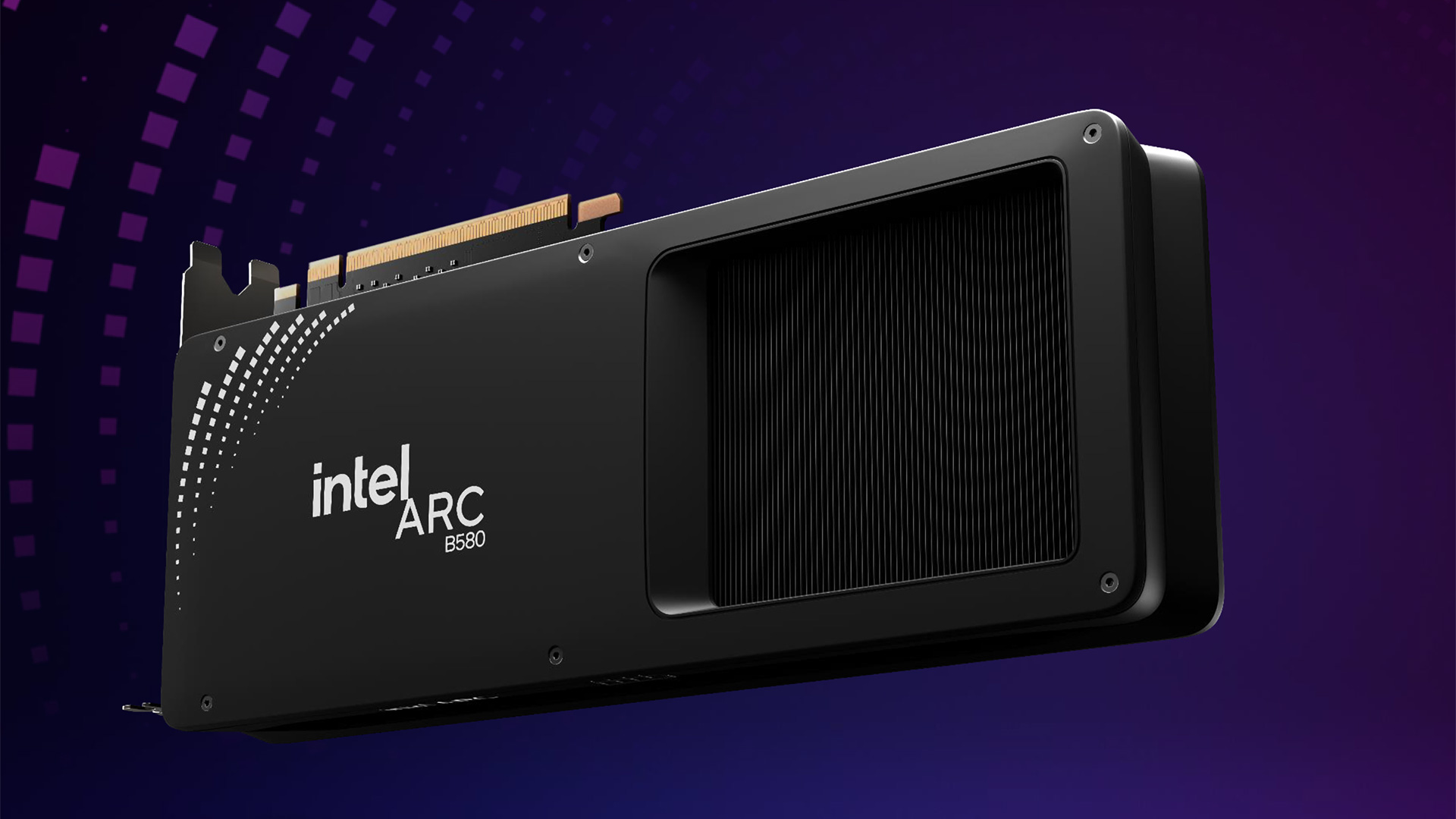
Intel’s discrete GPU business has reached an unusual but notable milestone in Germany. According to weekly retail data shared by TechEpiphanyYT on X, Intel Arc Battlemage graphics cards have recorded their strongest showing to date at Mindfactory, one of Europe’s most influential PC hardware retailers. For the first time, the Intel Arc B580 has outsold both the Radeon RX 9070 and the GeForce RTX 5060 Ti 8 GB within the same sales period, signaling a meaningful shift in short term consumer behavior.
Historically, Mindfactory sales charts have been dominated almost exclusively by AMD and NVIDIA, with AMD RDNA 4 GPUs often leading unit sales week after week in the German market. While that trend largely remains intact, last week’s data shows Intel finally breaking through the noise. The Radeon RX 9070 XT continues to hold the top position with approximately 725 units sold, followed by the Radeon RX 9060 XT 16 GB at 595 units. NVIDIA’s RTX 50 series occupies much of the mid tier, led by the RTX 5070 Ti with 310 units and the RTX 5080 with 275 units.
Where the story becomes interesting is further down the chart. The Intel Arc B580 reached roughly forty units sold, placing it ahead of the Radeon RX 9070 and the RTX 5060 Ti 8 GB, both of which recorded around twenty units each in the same timeframe. While forty units may appear modest compared to the chart leaders, this result is significant given that Arc B580 sales had been nearly negligible for months. Intel’s share at Mindfactory has historically hovered around one percent, but this week it climbed close to four percent, representing Intel’s strongest weekly performance at the retailer so far.
The broader Arc lineup also contributed to this momentum. The Arc B570 and the workstation focused Arc Pro B50 each sold around twenty units, matching the sales volume of the Radeon RX 9070. In the entry level segment, the Arc A310 also showed unexpected resilience with nearly thirty units sold, outperforming several legacy AMD and NVIDIA models still present in the market. In total, Intel moved over one hundred GPUs in a single week, with an average selling price of roughly 231 euros.
Several factors appear to be driving this shift. Availability has long been a pain point for Intel Arc, but Battlemage cards are now consistently in stock. Combined with near MSRP pricing and relatively generous VRAM configurations, including twelve GB on the Arc B580 and ten GB on the Arc B570, Intel’s offerings are becoming increasingly attractive amid ongoing concerns over future GPU pricing and long term VRAM requirements in modern games. While Arc drivers and ecosystem maturity have historically limited adoption, the current value proposition is clearly resonating with a specific segment of budget conscious buyers.
Despite this progress, AMD and NVIDIA still dominate overall revenue share at Mindfactory. NVIDIA leads with approximately fifty six point one three percent of revenue, followed by AMD at forty two point five three percent, largely due to higher average selling prices on NVIDIA hardware. Intel remains a distant third, but the recent data confirms that Arc is no longer invisible at retail.
While this is only a single retailer’s snapshot, Mindfactory is widely regarded as a reliable indicator of broader DIY GPU trends in Europe. Intel Arc’s sudden visibility in the top selling charts suggests that Battlemage may finally be gaining real traction, especially among buyers prioritizing VRAM capacity and value over raw performance leadership.
Do you see Intel Arc becoming a serious budget alternative in 2025, or is this just a short lived spike driven by pricing and availability?
