
Intel, AMD And MediaTek Ramp CPU Output As AI Demand Pushes Prices Higher And Lead Times Longer
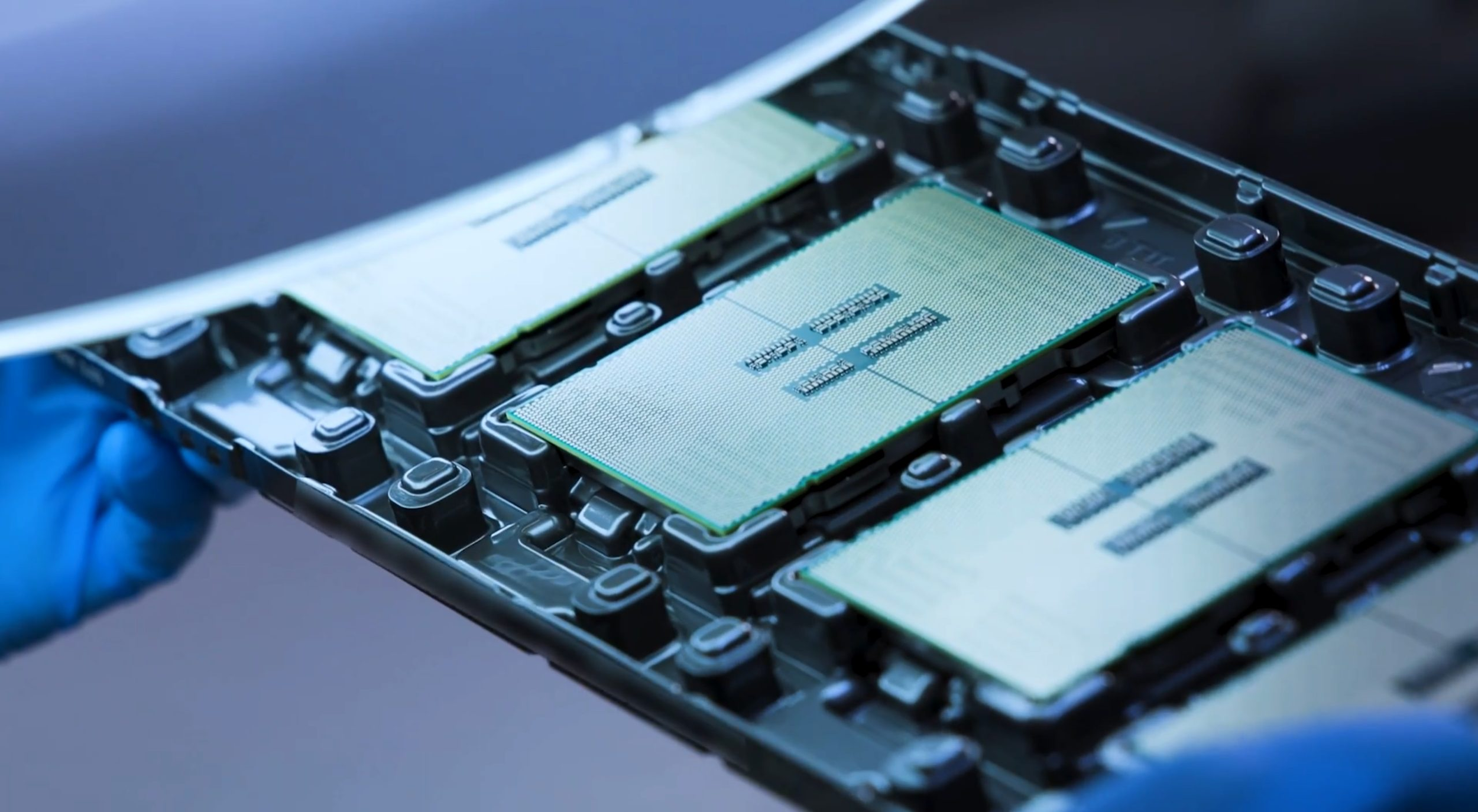
The CPU market is entering a new pressure cycle as demand tied to agentic AI, servers, notebooks, desktops, and Chromebook platforms continues to tighten supply. According to a new DigiTimes report, Intel’s decision to prioritize higher margin Xeon server processors is creating wider openings for AMD and MediaTek, while at the same time keeping pressure on pricing and extending lead times across multiple segments. The report’s headline framing is that Intel is prioritizing Xeon, and that CPU shortages are opening the door for AMD and MediaTek.
The broader market backdrop supports that direction. Reuters reported in February that Intel had warned Chinese customers about server CPU delivery lead times stretching up to 6 months, while some AMD products were being pushed out to 8 to 10 weeks. Reuters also said Intel server product pricing in China had already risen by more than 10 percent generally, with the shortage being driven in part by booming AI infrastructure demand and rising memory costs.
That lines up with the current narrative that CPUs are becoming more strategically important again as AI infrastructure evolves. A recent Tom’s Hardware report, citing industry analysis around inference and agentic AI, said the traditional GPU to CPU ratio in AI systems is moving away from the old 8 to 1 pattern and trending toward tighter CPU demand, potentially even approaching 1 to 1 over time. That shift helps explain why CPU pricing and allocation are becoming more aggressive across the supply chain.
For Intel, the upside is clear but so is the strain. Demand for Xeon has risen sharply, and Reuters reported that Intel itself said rapid AI adoption had led to strong demand for traditional compute. DigiTimes separately reported that Intel has been flagging industry wide supply shortages and selective price increases while working to expand supply capacity across its product lines. In other words, Intel is benefiting from stronger CPU demand, but it is also being forced to make hard allocation decisions that leave less room for consumer and lower priority segments.
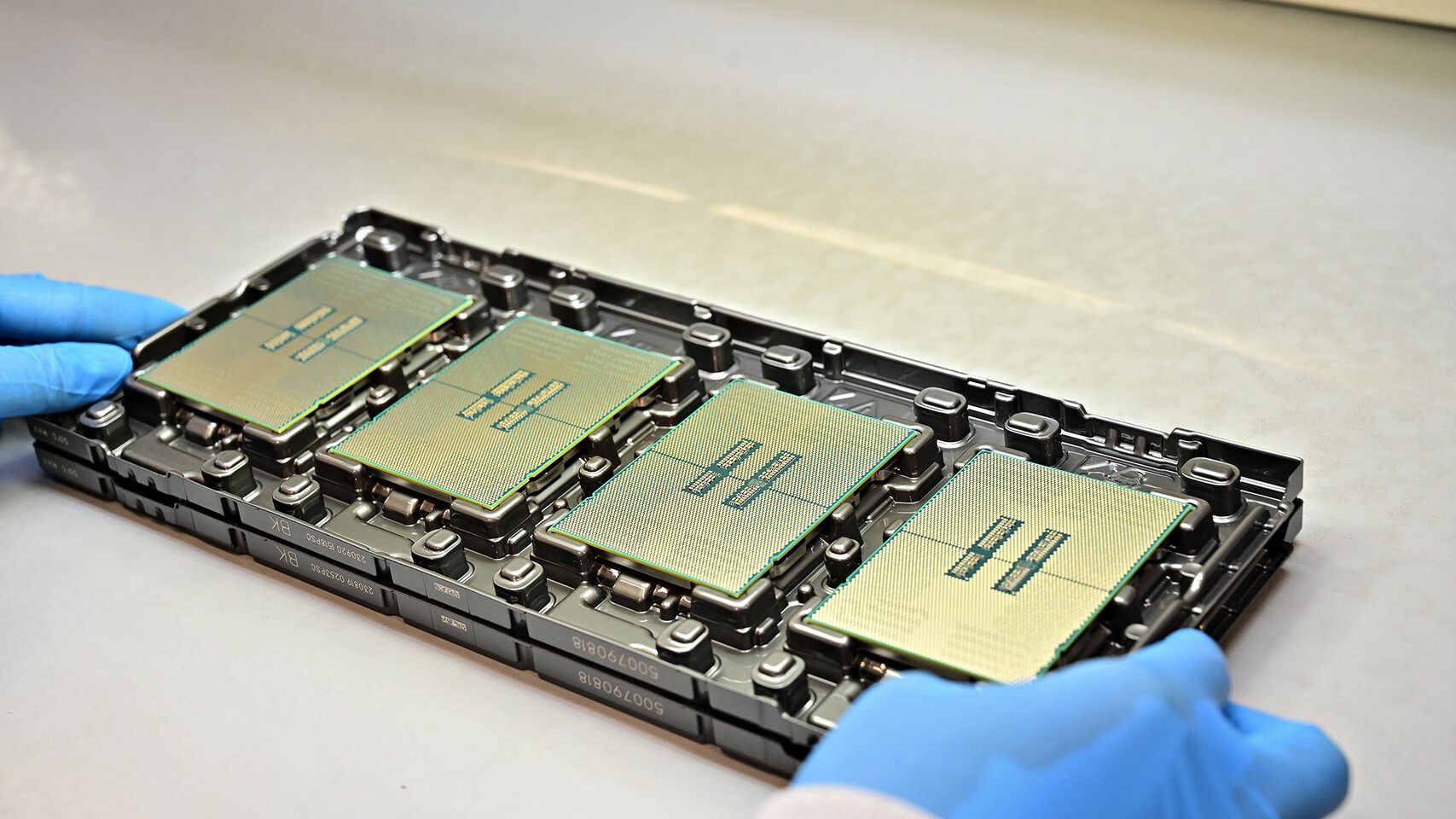
That is where AMD stands to gain. Reuters reported that AMD has already boosted its supply capabilities to cope with stronger demand, while a UBS estimate cited by Reuters said AMD’s server CPU share climbed to more than 20 percent in 2025 as Intel’s dropped to about 60 percent. On the roadmap side, AMD has already confirmed that its next generation EPYC Venice is its first HPC product brought up on TSMC’s N2 node, reinforcing that a major server push is still on track.
MediaTek is the more interesting swing factor in this story. The DigiTimes report says Intel’s supply focus on Xeon is creating room in mainstream PC categories, especially Chromebook platforms, where MediaTek is expected to benefit. DigiTimes also ties MediaTek to projected shipment growth in 2026, and the report specifically tags Chromebook, shipments, capacity, Intel, AMD, and MediaTek as central parts of the story. Because the full article is paywalled, the details around a 40 percent shipment jump and lead times reaching 1 year for some mainstream platforms should be treated as DigiTimes supply chain reporting rather than fully independently confirmed public guidance.
That distinction matters. The confirmed part of the story is that CPU supply has been tight, prices have been rising, and both Intel and AMD have acknowledged stronger demand and active efforts to increase supply. The less certain part is exactly how far those shortages now extend into notebook, desktop, and Chromebook timelines outside the regions and customer groups already reported by Reuters. Still, the strategic direction is becoming harder to ignore: AI is no longer pulling only on GPUs. It is pulling heavily on CPUs as well.
For OEMs and system builders, this creates a difficult operating environment. If Intel keeps prioritizing Xeon, AMD continues taking server share, and MediaTek gains further momentum in Chromebook and mainstream compute, buyers may see a more fragmented market where availability varies sharply by segment. Enterprise buyers may still get priority, but consumer and education channels could remain under pressure for longer than expected. That final point is an inference based on the reported supply prioritization and not a direct statement from the companies.
The bigger takeaway is that this is no longer just a memory crisis or a GPU bottleneck. It is becoming a full compute allocation problem. Intel, AMD, and MediaTek may all be working to increase output, but the current demand wave looks strong enough that higher prices and longer wait times are likely to remain part of the market conversation for the foreseeable future.
Do you think CPU shortages will become just as disruptive as the GPU crunch for the PC market, or will added production from Intel, AMD, and MediaTek stabilize things before that happens?
