
Intel 14A Gains Momentum As Cadence Expands Foundry Partnership
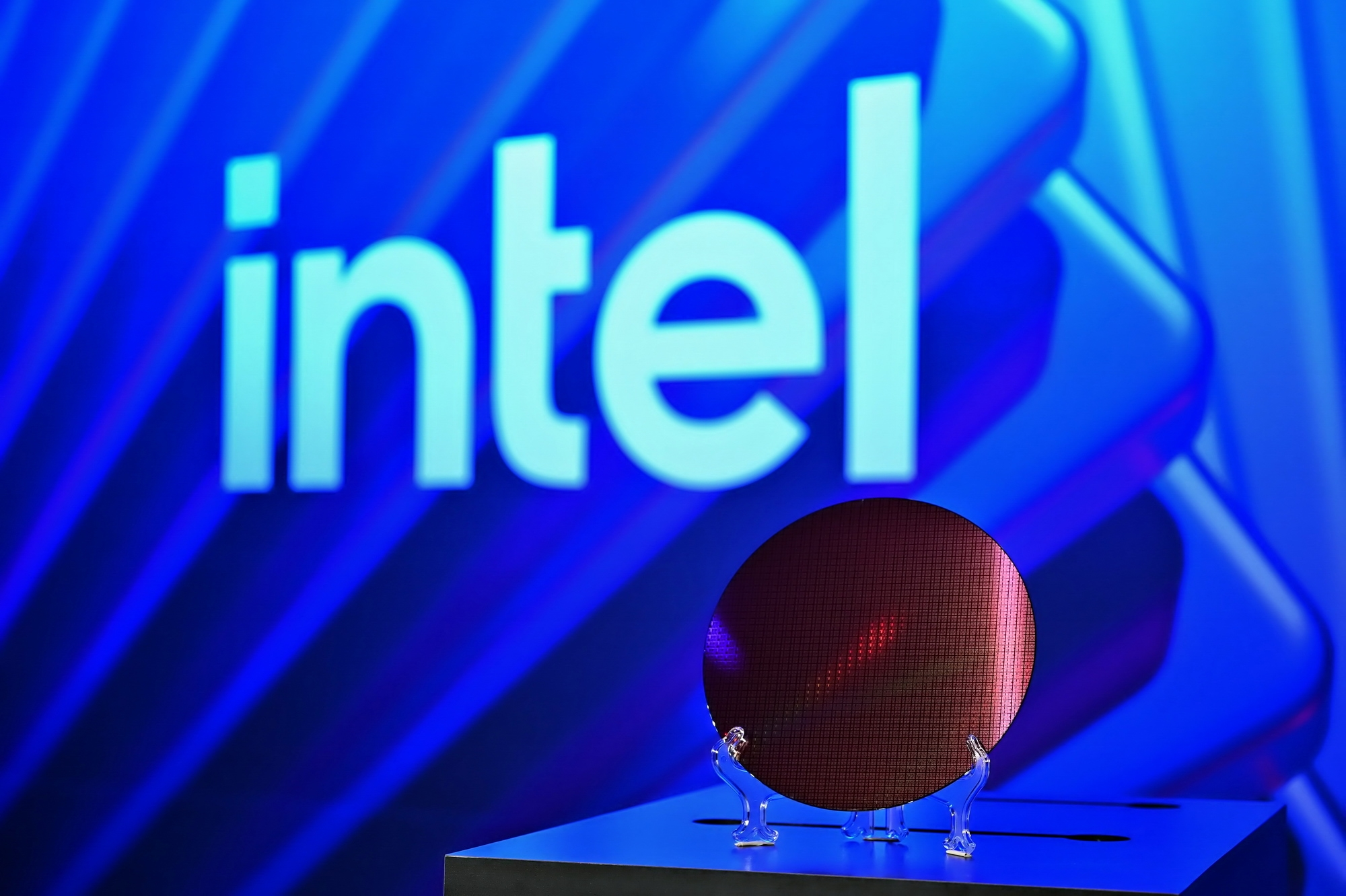
Intel Foundry is putting more weight behind 14A, signing a multi year collaboration with Cadence to speed up design optimization, customer readiness, and next generation chip development.
Intel’s 14A process is becoming one of the most important pieces of the company’s foundry comeback plan. As announced by Cadence , the new agreement expands Cadence’s work with Intel Foundry around DTCO, IP readiness, design enablement, and AI driven EDA tools. The goal is clear. Intel wants 14A to be ready not only as a future internal node, but also as a serious option for external foundry customers targeting HPC, mobile, AI, and advanced silicon designs.
"Major milestone for both companies." Quote by: Anirudh Devgan
Cadence says the collaboration will help Intel optimize tools, flows, and methodologies for better performance, power, and area. The companies will also work on production ready PDKs, which are critical for customers deciding whether to commit real products to Intel’s upcoming process technology.
Cadence 🤝 @Intel_Foundry are expanding collaboration to accelerate @Intel 14A. Advancing design technology co-optimization (DTCO) with AI-driven design to optimize performance, power & area—enabling faster design for next-gen HPC & mobile.
— Cadence (@Cadence) June 9, 2026
🔗 https://t.co/02wpjCLfmU pic.twitter.com/EphDakvZll
Intel has been building confidence around 14A for months. Intel have said 14A maturity, yield, and performance were progressing faster than 18A at a similar stage, with multiple customers actively evaluating the technology. That matters because Intel Foundry needs more than strong internal products. It needs outside customers to believe the node can deliver competitive performance, efficiency, design tools, packaging support, and predictable manufacturing execution.
Cadence’s involvement strengthens that ecosystem story. Advanced nodes are not won only through transistor claims. They require mature design kits, reliable IP, strong EDA support, and close collaboration between the foundry and the companies building chips on the node.
"Drive innovation at scale."
— Naga Chandrasekaran
Intel has not officially named major 14A customers yet, and that remains the key missing piece. Reports around companies such as Apple, NVIDIA, and other advanced silicon players should still be treated carefully unless confirmed by the customers themselves. Still, the direction is clear. Intel is preparing 14A as a serious foundry platform, not just another internal manufacturing milestone.
This Cadence deal is important because it attacks one of Intel Foundry’s biggest challenges: ecosystem trust.
A process node can look impressive on a roadmap, but customers need confidence that they can actually design around it, validate it, and bring products to market with lower risk. Cadence helps Intel close that gap by bringing mature EDA tools, AI driven design flows, and IP support into the 14A development cycle earlier. For Intel, 14A is becoming the node that could decide whether the foundry business moves from recovery story to real competitor. 18A needs to prove execution now, but 14A is where Intel has to prove external customer confidence at scale.
The next major milestone will be customer disclosure. If Intel can turn evaluations into public commitments, 14A could become the strongest validation yet for its foundry comeback.
Do you think Intel 14A can become the node that finally makes Intel Foundry a true competitor to TSMC and Samsung?
