
Hugo Martin Says id Software Was Not Gutted and the DOOM Team Still Matches Its 2016 Size
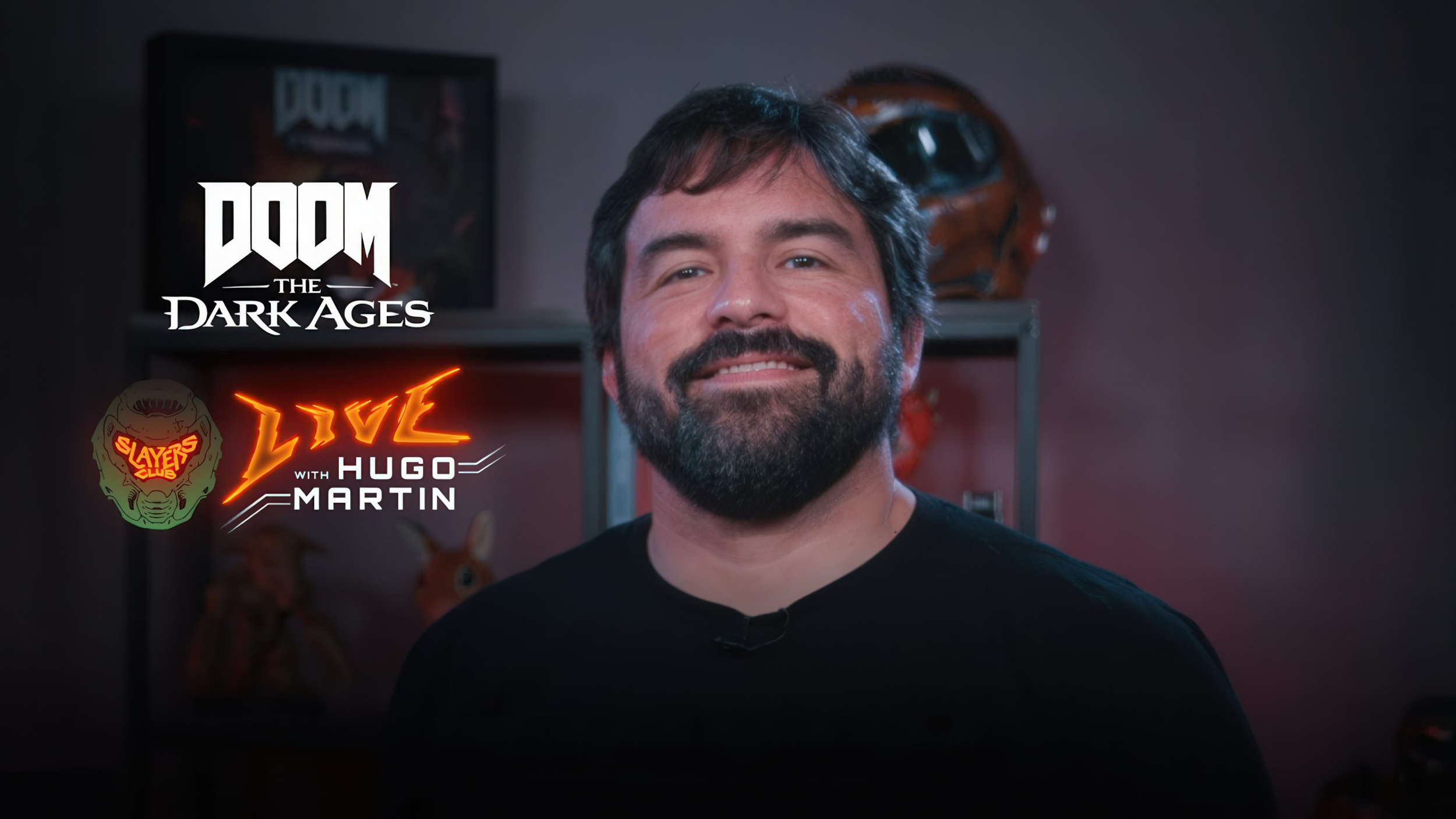
DOOM: The Dark Ages director and id Software co studio director Hugo Martin has rejected claims that Microsoft’s recent Xbox layoffs reduced the legendary developer to a team of approximately 50 employees, insisting that the current DOOM group remains comparable in size to the team that created DOOM in 2016.
Speaking during the latest Slayers Club Live broadcast, Martin acknowledged the reports surrounding the studio but said they do not accurately represent its current development capabilities. He also confirmed that idTech development continues through engineers working across id Software, its Frankfurt operation, and MachineGames.
"There have been reports that our team has been nerfed and gutted to the ground and only has 50 people now. That is not true. We are the same team size as when we made DOOM 2016, and idTech is very much alive and well."
— Hugo Martin
Martin explained that idTech is no longer maintained exclusively by employees located at the company’s Richardson office. Engineers in Frankfurt and at MachineGames also contribute to the technology, creating a wider development structure than estimates based only on the Texas workforce may suggest.
A Texas WARN filing confirmed that 96 positions were eliminated at id Software’s Richardson office, while another 40 remote employees reporting to that location were also affected. This brought the confirmed number of id Software layoffs connected to the Richardson operation to 136. However, the filing does not provide a complete breakdown of id Software’s international workforce, external engineering support, or employees shared across Bethesda studios.
Earlier reports estimated that id Software employed approximately 185 developers before the restructuring, leading to claims that nearly 74% of the studio had been removed. That calculation remains disputed because the reported workforce figure may not include every engineer contributing through Frankfurt, MachineGames, or other parts of the wider ZeniMax development network.
Martin also expressed interest in continuing the modern DOOM storyline and completing the Slayer’s journey through the events leading to the Sarcophagus seen before DOOM 2016. He did not announce a new game but confirmed that the studio is working on future projects that will be revealed when they receive the necessary approval.
"The door is open. I would love to complete that story all the way up to the Sarcophagus."
— Hugo Martin
The comments follow the release of DOOM: The Dark Ages Revelations, which launched on July 7, 2026 as the first major expansion for The Dark Ages. Martin said the base game has been critically and commercially successful and is performing well against internal forecasts. He added that the positive response has helped morale among both current employees and those affected by the layoffs.
Martin also thanked the DOOM community for promoting the portfolios and work of developers who lost their positions. He said the support shown toward the affected employees had been significant during an extremely difficult period for the studio.
Despite those reassurances, skepticism remains. Several former id Software employees have questioned whether the remaining teams possess enough institutional knowledge to maintain idTech and produce another major game at the studio’s previous scale. id Software has publicly stated that it still has the personnel required to develop the games and technology associated with the company, but its next project will provide the clearest evidence of how the restructuring has affected production.
Hugo Martin’s comments provide important context because the confirmed layoff total does not necessarily represent the complete global team supporting DOOM and idTech. Engineers distributed across Frankfurt and MachineGames may allow Bethesda to maintain the engine through a more centralized development network.
However, matching the size of the DOOM 2016 team does not automatically mean the studio has retained the same experience, departmental balance, or production capacity. Modern games require larger quality assurance, technical art, animation, tools, accessibility, platform, and support operations than they did 10 years ago.
id Software remains active, but the studio must now prove that its new structure can protect the technical standards and combat design that made DOOM one of gaming’s most influential first person shooter franchises.
Do Hugo Martin’s comments reassure you about the future of DOOM and idTech, or will you remain skeptical until id Software reveals its next project?
