
Huawei Emerges as China’s Biggest AI Chip Winner as Revenue Is Set to Jump 60% While NVIDIA’s Position Collapses
Huawei is rapidly becoming the clearest winner in China’s reshaped AI chip market, with a new Financial Times report saying the company expects AI chip revenue to rise at least 60% in 2026. Reuters, citing that report, said Huawei expects AI chip revenue to reach about 12 billion dollars this year based on orders already received, up from 7.5 billion dollars in 2025. That kind of growth would make Huawei the biggest domestic beneficiary of China’s accelerating shift away from NVIDIA hardware.
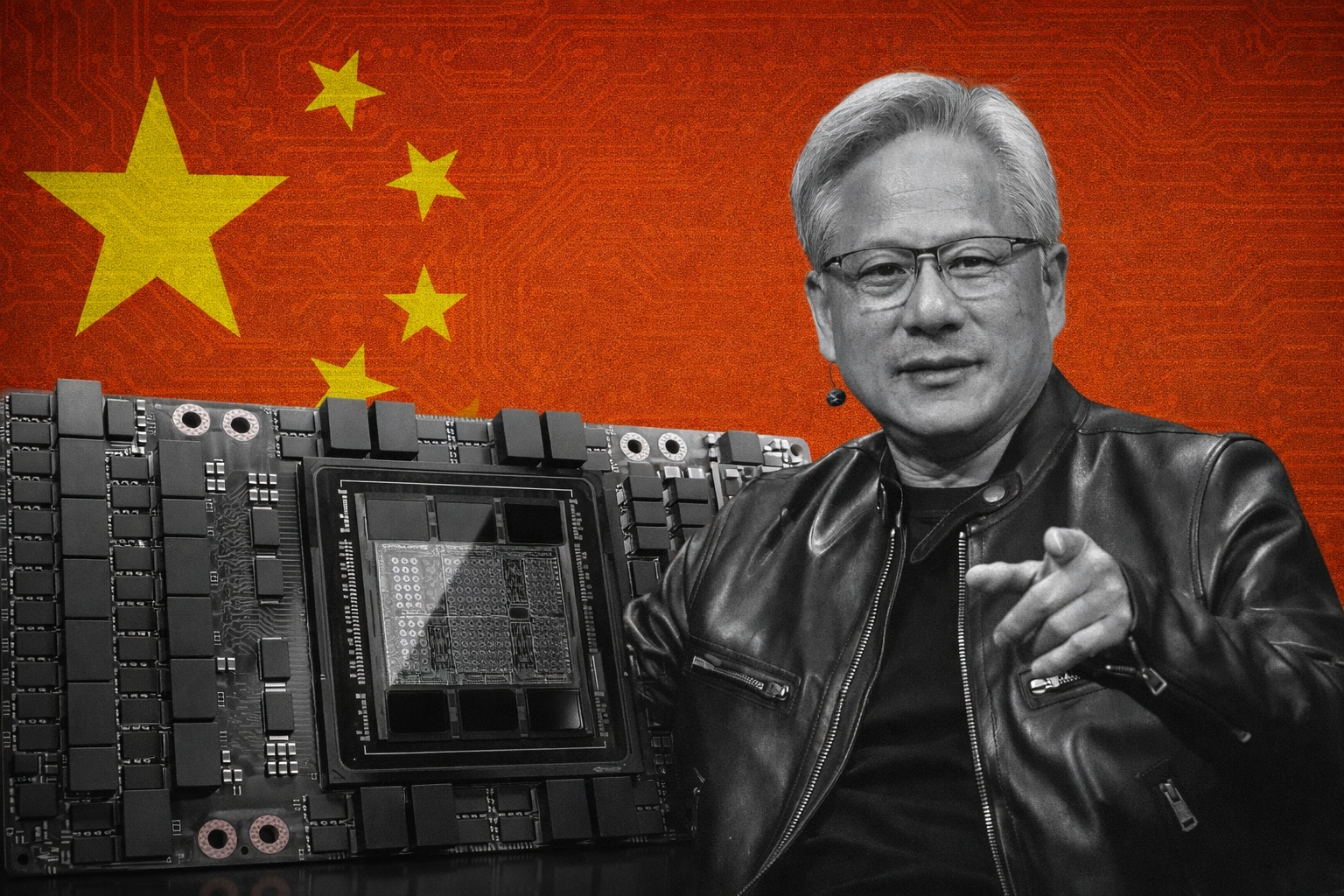
The timing is not hard to understand. NVIDIA chief executive Jensen Huang recently said the company’s AI accelerator market share in China has now dropped to 0, blaming U.S. export controls and arguing that the policy has largely backfired. With access to NVIDIA’s most advanced processors increasingly restricted and political pressure pushing Chinese firms toward homegrown alternatives, Huawei is stepping into the gap at exactly the right moment.
A major reason for Huawei’s momentum is the Ascend 950PR. Reuters reported that the chip’s mass production began this spring and that it has become the focus of a new wave of Chinese demand, especially after DeepSeek’s V4 model was released with Huawei chip support. Chinese technology giants including ByteDance, Tencent, and Alibaba have all been described as rushing to secure new orders, while cloud providers and GPU rental firms are also scrambling for supply.
That surge matters because it shows this is no longer just a policy driven substitution story. It is becoming an ecosystem story. Reuters reported that DeepSeek’s V4 model was specifically adapted for Huawei chip technology, marking a meaningful shift away from prior dependence on NVIDIA hardware. That move gives Huawei more than a one time sales boost. It gives the company a stronger position inside China’s growing AI software and infrastructure stack, which is where long term influence really gets built.
Huawei’s current rise also appears to be focused on the right segment of the market. Reuters noted that the 950PR significantly outperforms NVIDIA’s H20, the most powerful NVIDIA chip previously allowed in China before Beijing blocked its import, even if it still trails the more advanced H200. In practical terms, that means Huawei does not need to beat NVIDIA everywhere to win in China right now. It only needs to become the most viable domestic option at scale, and current demand suggests it is already doing exactly that.
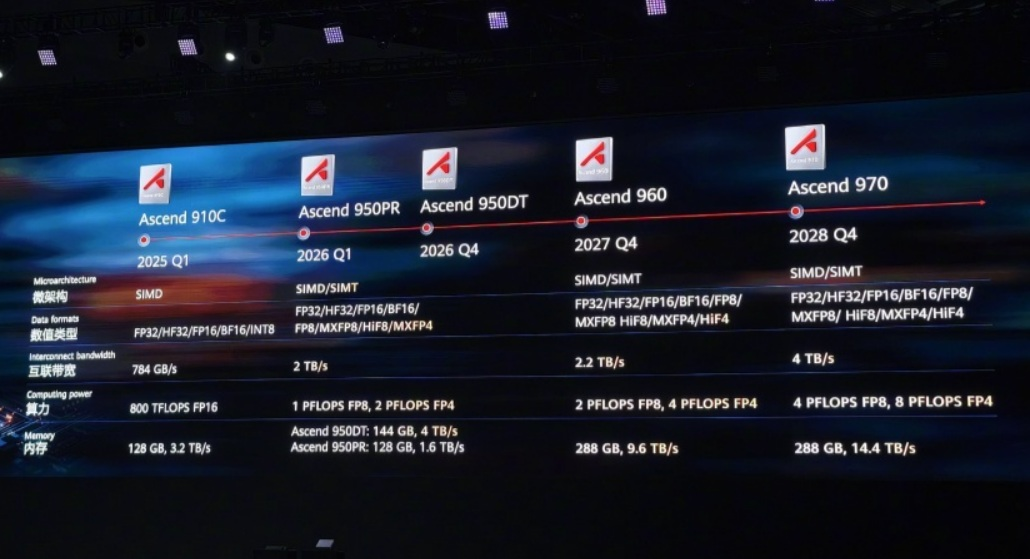
There are still limits. Reuters said Huawei planned to ship around 750,000 units of the 950PR in 2026, but output is still expected to fall short of demand because U.S. restrictions on advanced chipmaking tools continue to constrain domestic production. Even so, Huawei is preparing to launch an upgraded 950DT in the 4th quarter, which suggests the company is not simply reacting to a short term opening but building a roadmap meant to consolidate its lead.
The broader market backdrop makes this even more important. The Financial Times report, as surfaced in search results, said Morgan Stanley forecasts China’s AI chip market will reach 67 billion dollars by 2030, with 86% expected to be supplied by Chinese players. Even if that longer term projection proves aggressive, the direction is now unmistakable. China’s AI market is reorganizing around domestic silicon, and Huawei is currently in the strongest position to convert that transition into share, revenue, and platform relevance.
In that sense, Huawei is not just filling a gap left by NVIDIA. It is helping define what China’s post NVIDIA AI stack looks like. That makes this one of the most important semiconductor shifts of 2026, because it is no longer just about which chip is faster. It is about who controls deployment, developer momentum, and infrastructure inside one of the world’s largest AI markets.
Do you think Huawei can turn this moment into a durable long term AI lead in China, or will domestic competition eventually split the market more evenly?
