
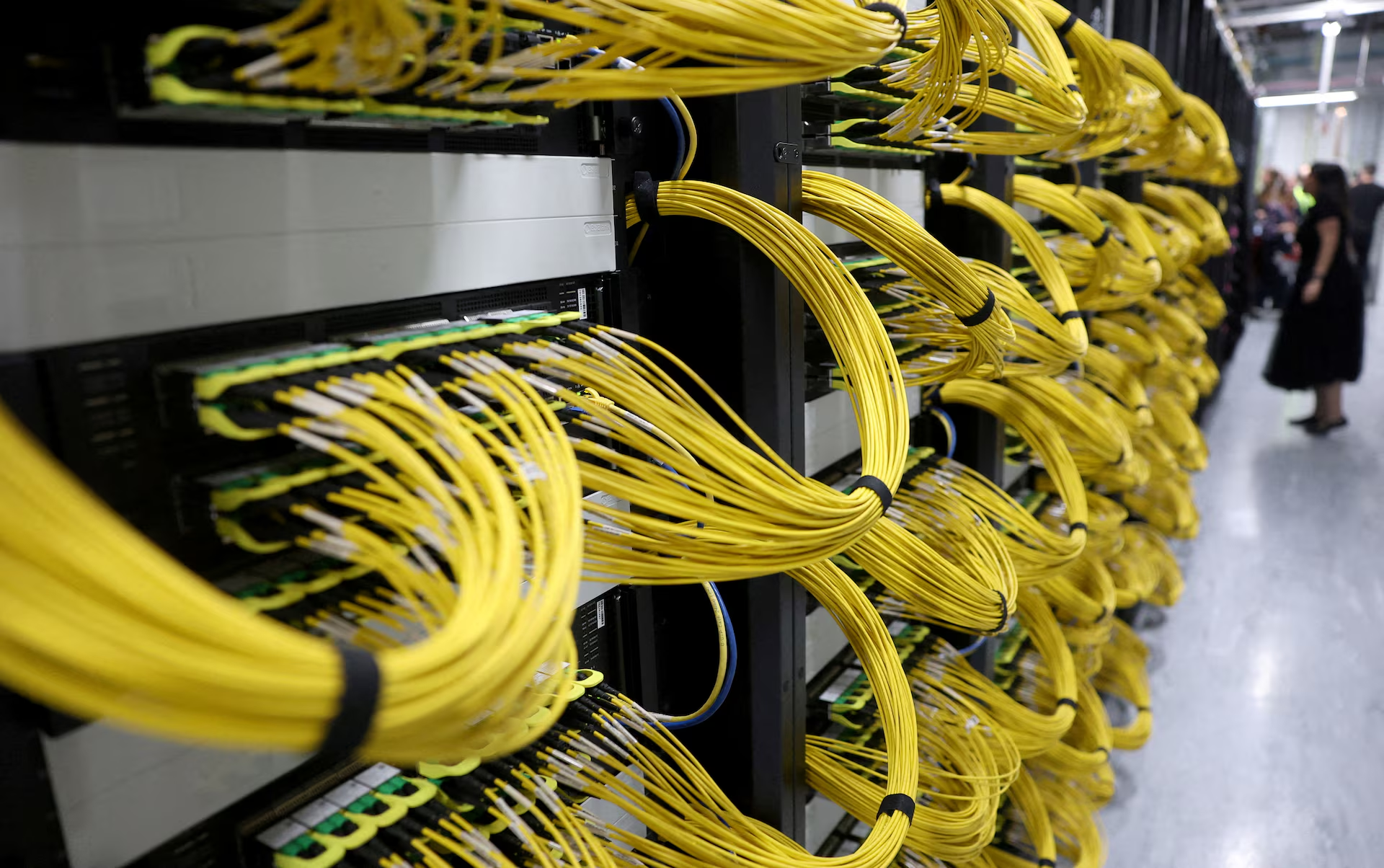
A new Harvard University study reveals that just 403 major US data centers could consume more electricity annually than the entire country of Chile, highlighting the enormous energy demands of expanding AI infrastructure. Researchers estimate that these facilities accounted for approximately 1.8% of total US electricity consumption during the study period, with demand potentially significantly higher in 2026 as major technology companies continue building increasingly powerful computing facilities.
Published on November 16, 2026, in Nature Sustainability, the research examined 403 hyperscale data centers operating between May 2024 and April 2025. Using satellite imagery, facility dimensions, estimated electrical capacity, and US Environmental Protection Agency data, researchers calculated annual electricity consumption ranging from 68 to 99 terawatt hours (TWh), with a central estimate of 82 TWh. For comparison, Chile consumes approximately 83.2 TWh annually, meaning the study's highest scenario exceeds the electricity requirements of an entire country.
The investigation also estimated approximately 25.7 million metric tons of associated CO2 emissions, between 2 and 3 times the emissions estimated for comparable facilities in 2018. Around 54% of the electricity supplying the studied data centers came from fossil fuels, including 38% from natural gas and 15% from coal. Virginia, Oregon, Ohio, and Iowa accounted for more than half of the estimated electricity consumption, demonstrating how large computing facilities concentrate power demand in specific regions.
According to Harvard's official announcement, the researchers warn that their findings may already underestimate current consumption. Since April 2025, additional facilities have entered operation, existing infrastructure has expanded, and demand for AI training and inference has continued increasing. The analysis also excludes some facilities operating independently from public electricity grids, while its estimates cover both AI computing and conventional cloud workloads rather than AI alone.
The findings reinforce growing concerns surrounding the electricity requirements of modern AI hardware, particularly as NVIDIA's next generation Rubin Ultra infrastructure targets increasingly demanding power and cooling configurations. As companies deploy larger GPU clusters, electricity generation, cooling infrastructure, and grid capacity are becoming important constraints on further expansion.
However, the study does not establish how much individual data centers contribute to residential electricity prices or predict exact consumption levels for 2026. Researchers instead emphasize the need for greater transparency from operators, allowing governments and communities to evaluate the environmental and infrastructure costs of future development.
The rapid expansion of AI infrastructure raises an important question about who ultimately bears the cost of increasing electricity demand. While AI development requires substantial computing resources, consumers and smaller businesses should not face higher electricity costs or reduced grid reliability simply to accommodate the expansion of major technology corporations.
Data center operators should prioritize energy efficiency, transparent consumption reporting, and investment in additional power generation rather than shifting infrastructure costs onto surrounding communities. Local AI also deserves greater consideration for workloads that can operate efficiently on existing consumer hardware, reducing dependence on centralized services where practical.
As the industry continues investing billions in increasingly powerful accelerators, sustainable computing should become just as important as performance. The future of AI cannot rely indefinitely on expanding electricity consumption without addressing the broader consequences for consumers, the environment, and public infrastructure.
Should major AI companies be required to generate their own electricity and cover infrastructure expansion costs, or should public power grids continue supporting the rapid growth of data centers?
