
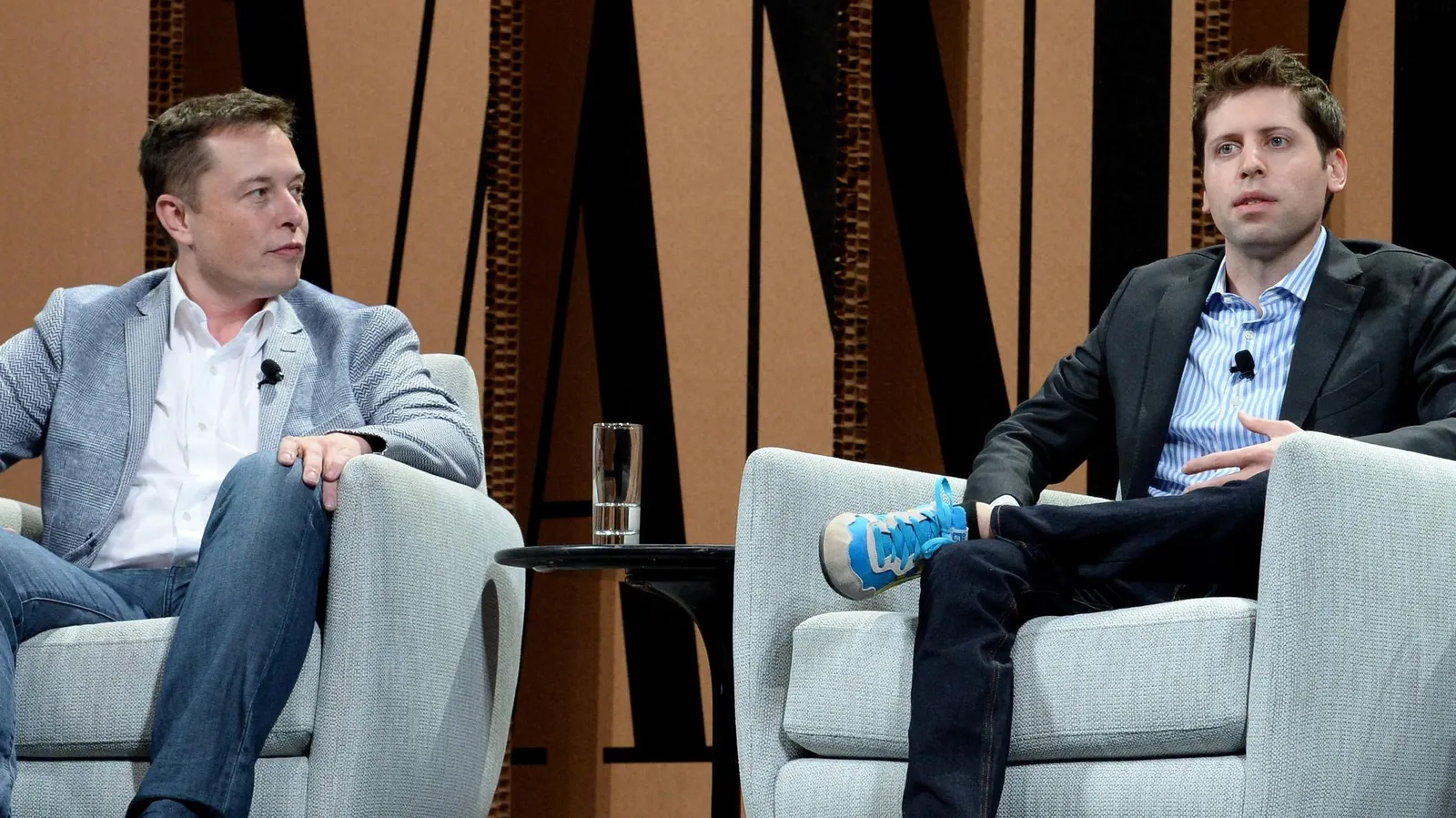
Elon Musk has declared that SpaceX is planning its AI computing business without expecting any sales to OpenAI, while questioning whether Sam Altman's company is experiencing sufficient demand for its products. The comments follow growing concerns about potentially inflated AI infrastructure forecasts, as technology companies invest billions in NVIDIA GPUs and massive data centers.
In a November 17 statement on X, Musk responded to recent comments from OpenAI CEO Sam Altman regarding the risk of semiconductor manufacturers overestimating future AI chip demand. Musk argued that demand for successful AI products should be increasing rapidly, suggesting that slower growth would indicate potential problems with OpenAI's offerings.
"SpaceX is assuming zero sales to OpenAI. If OpenAI is not seeing demand rising super fast, then something is wrong with their products."
— Quote by: Elon Musk, SpaceX CEO.
The statement follows Sam Altman's warning about potentially inflated AI chip demand. Speaking during Semafor's Silicon Valley & The World conference on November 16, Altman explained that an increasing number of semiconductor manufacturers and cloud infrastructure providers are projecting substantial orders from the same major AI customers, including OpenAI and Anthropic.
Altman's concern centers on the possibility that multiple suppliers are counting the same customer demand, creating exaggerated expectations for future GPU purchases and data center construction. However, he maintained that overall demand for AI computing remains strong, distinguishing potential supply forecasting errors from declining demand for AI services.
Meanwhile, SpaceX has expanded into AI infrastructure following its integration with xAI, developing the Colossus computing facilities to support large AI workloads. The company has established computing agreements with major technology customers, including Anthropic and Google, while continuing to expand its NVIDIA GPU infrastructure.
According to Reuters, SpaceX recently announced plans to invest more than $74 billion in 2 supercomputing campuses, including approximately $24 billion at its Starbase facility in Texas and $50 billion in Arizona. These investments demonstrate the company's growing ambitions in commercial AI computing as it expands beyond its traditional aerospace and satellite businesses.
SpaceX has also secured approximately $40 billion in GPU financing involving next generation NVIDIA Vera Rubin accelerators, highlighting the enormous capital requirements associated with its expansion.
Musk's latest statement suggests that SpaceX does not consider OpenAI essential to its projected computing revenue. However, assuming zero future sales does not establish that OpenAI's demand is declining, and Altman's original comments focused on the risk of overlapping industry forecasts rather than weak demand for OpenAI products.
The disagreement highlights growing uncertainty surrounding the AI infrastructure market, where semiconductor manufacturers, cloud providers, and technology companies continue investing heavily in computing capacity despite questions about long term demand and financial sustainability.
Musk's comments highlight a growing challenge within the AI industry: the difference between actual demand for computing resources and the enormous infrastructure investments being made in anticipation of future growth.
While SpaceX continues expanding its computing business, Altman's warning about overlapping demand forecasts raises legitimate questions about whether semiconductor manufacturers are accurately evaluating the market. Excessive investment could eventually create significant financial pressure if projected GPU orders fail to materialize.
For PC gamers and local AI enthusiasts, these concerns are particularly relevant. The massive expansion of enterprise AI infrastructure continues placing pressure on GPU availability, memory production, and hardware pricing. Consumers should not be forced to absorb inflated component costs while major corporations compete to secure enormous quantities of computing hardware.
The industry should prioritize sustainable computing growth, transparent demand forecasting, and affordable hardware rather than allowing speculative infrastructure expansion to dictate the availability of consumer technology.
Do you believe AI computing demand will continue growing fast enough to justify massive GPU investments, or are companies building more data center capacity than the market will eventually need?
