
Global DRAM Shortage Reaches Critical Point as Samsung Probes Alleged Bribery to Divert Memory Supply
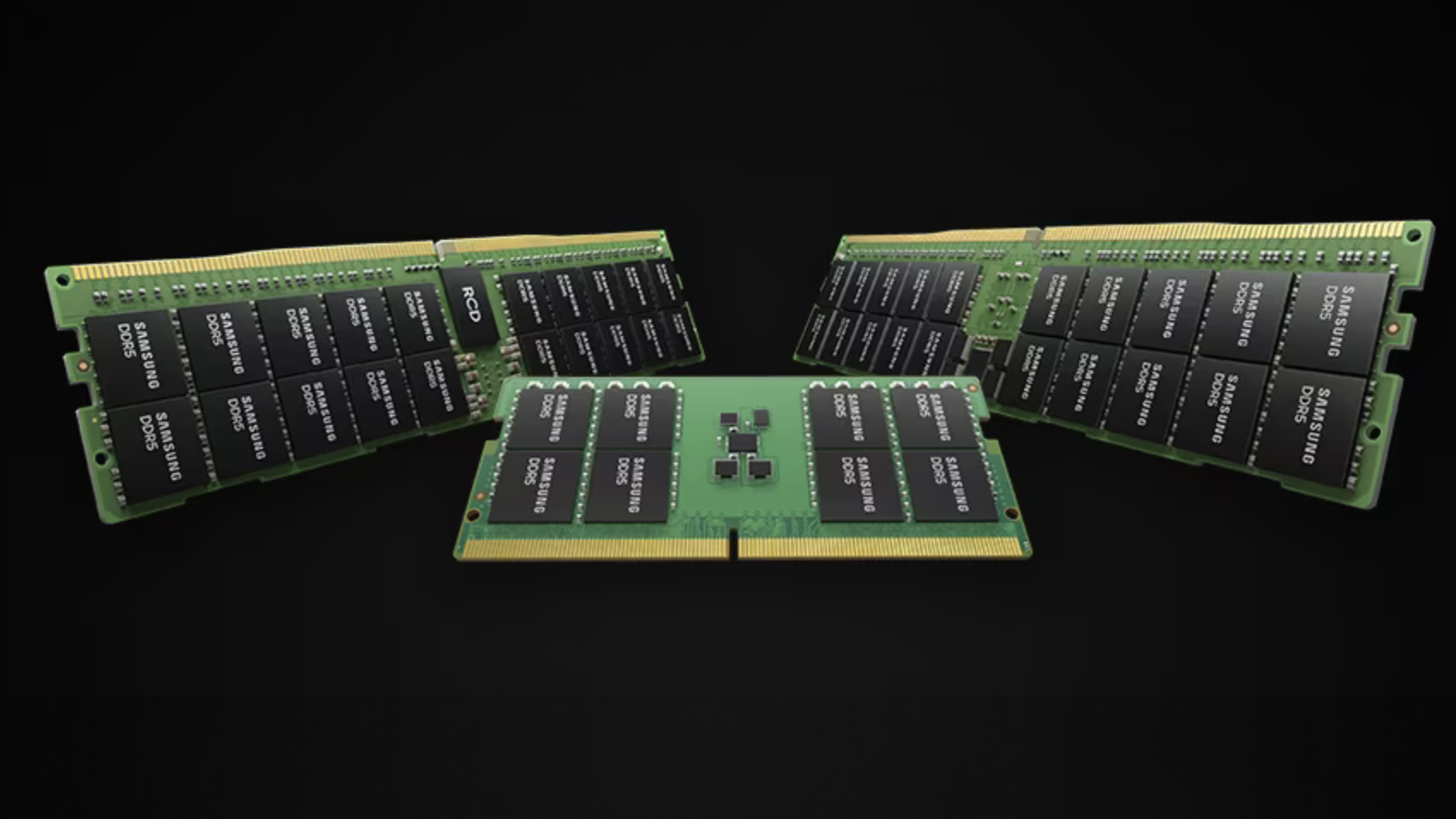
The global DRAM market continues to spiral deeper into instability, and the latest developments underline just how severe the situation has become. Samsung is now reportedly investigating its own employees over allegations of bribery tied to the diversion of internal DRAM supply, a move that reflects unprecedented pressure across the memory supply chain.
According to a report from DigiTimes, several distributors in Taiwan are suspected of paying kickbacks to Samsung employees in an attempt to secure DRAM allocations amid the ongoing supply crunch. The allegations have prompted Samsung to launch an internal investigation, including employee interviews at its Taiwan operations, with personnel actions reportedly under consideration.
The backdrop to this situation is a DRAM market operating under extreme strain. Nearly every major player in the computing ecosystem is aggressively pursuing memory capacity. Large technology companies are locking in long term agreements directly with manufacturers such as Samsung and SK hynix, while smaller distributors and system builders are increasingly left competing for what remains. As DRAM demand continues to surge across AI servers, data centers, PCs, and consumer electronics, access to supply has become a critical competitive differentiator.
Samsung’s investigation highlights how fragile allocation fairness has become under these conditions. DRAM capacity remains tightly constrained for the company, which is facing demand pressure from virtually every downstream segment. Ensuring that allocations follow internal policy rather than informal channels has become a priority, especially as any supply leakage could further destabilize relationships with strategic customers. This explains why the alleged kickback activity is reportedly being treated as a serious internal matter.
The situation also aligns with earlier reports pointing to just how dire the shortage has become. Samsung was previously said to have rejected a DRAM supply request from its own mobile division, citing insufficient capacity. That decision alone signaled how stretched production lines currently are, even within vertically integrated organizations. When internal divisions are competing for capacity, external distributors are left with limited options.
While memory manufacturers are actively working to expand output, industry expectations suggest that meaningful relief will take several quarters to materialize. In the meantime, the DRAM supply chain is likely to remain under intense pressure. The PC market is already feeling the impact, with mainstream vendors raising prices as component costs climb and availability tightens.
As DRAM becomes increasingly central to AI workloads, next generation PCs, and high performance computing, competition for memory capacity is only expected to intensify. Samsung’s internal probe serves as a stark indicator that the industry has entered a phase where supply scarcity is reshaping behavior across the entire ecosystem.
Do you think the DRAM shortage will force more transparency and stricter allocation controls, or will competition for memory continue to push the supply chain toward even riskier territory?
