
Glen Schofield Says “True” Creatives Can Help Save AAA While Urging Artists to Learn AI
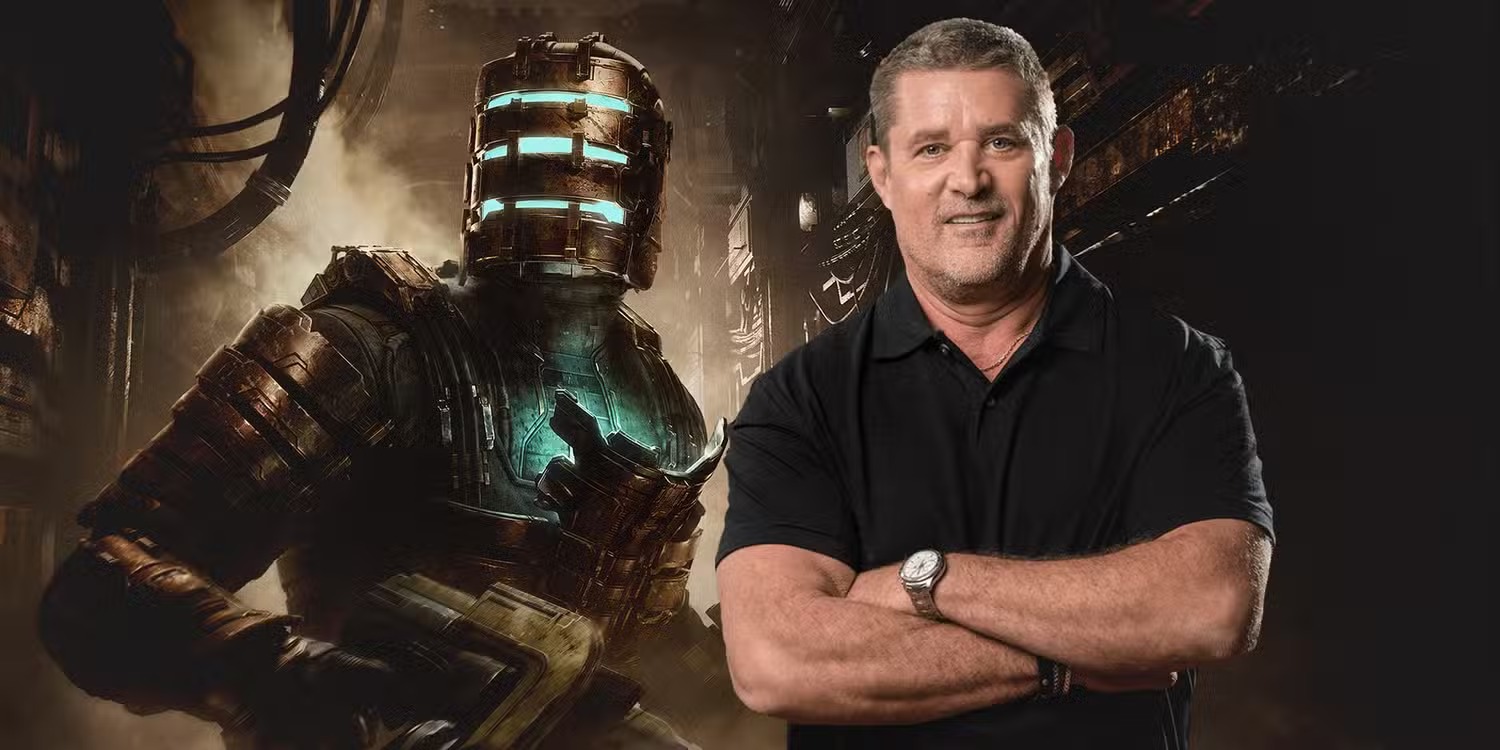
Veteran game director Glen Schofield believes AAA development does not need less ambition so much as better leadership, stronger creative instincts, and a more realistic relationship with emerging tools like generative AI. In a recent interview with GamesIndustry.Biz, the Dead Space creator argued that the industry’s biggest projects can still be rescued, but only if studios put the right people in charge and stop losing sight of creativity as the central pillar of game development. His comments were reported this week and centered on what he sees as the missteps that followed the investment rush of the early 2020s.
Schofield’s core argument is that too much money flowed into AAA at a time when too many inexperienced leaders were handed enormous responsibilities too quickly. He said that during the pandemic era, demand for big budget games surged so fast that companies rushed to scale, often elevating people before they were fully ready to lead both a studio and a major production at once. In his view, that did not just hurt schedules or budgets. It weakened the creative decision making needed to guide complex projects properly.
That is why Schofield keeps returning to the idea of “true” creatives. His point is not simply that studios need artists or designers with strong taste. It is that publishers, executives, and investors need to get better at identifying who genuinely has the instinct and experience to build something original, rather than rewarding people who only imitate what already works on the surface. It is a sharp critique of how AAA has been staffed and financed in recent years, and it speaks to a broader industry frustration that many large productions have become too expensive, too cautious, and too creatively diluted.
At the same time, Schofield is not calling for a return to the past. One of the more controversial parts of the interview is his insistence that artists should start learning some form of AI now rather than refusing to engage with it. He does not frame AI as a magic solution that will suddenly let tiny teams build blockbuster games overnight. In fact, he sounds skeptical of the most exaggerated claims around that future. His point is more practical. He believes AI tools are already becoming part of the production environment, and creatives who ignore them risk being overtaken by newer talent entering the industry with those skills already in place.
That nuance matters. Schofield is not saying AI replaces creativity. He is saying creativity remains the thing that matters most, while AI is another tool that professionals need to understand. He reportedly pushed back on the idea that a 20 person team will simply be able to generate a full AAA game through AI alone, arguing that real development still depends on endless layers of precision, iteration, adjustment, and human taste across art, code, camera work, pacing, and design. In that sense, his position is not purely pro AI or anti AI. It is closer to an acceptance that the technology is here, but that its usefulness depends entirely on the quality of the people directing it.
That stance also lands in the middle of a much larger industry divide. The 2026 GDC State of the Game Industry report found that more than a third of respondents use generative AI tools in their work, while 52 percent said generative AI is having a negative impact on the industry. The same report includes a striking anonymous quote from a senior employee who said, “AI is theft. I have to use it, otherwise I’m gonna get fired,” which captures the tension many developers now feel between personal opposition and professional pressure.
That wider context makes Schofield’s comments more complicated than a simple endorsement of AI. He is effectively arguing that refusing to learn the tools will not stop the shift from happening, while also insisting that the tools themselves do not solve the deeper crisis facing AAA. For him, the real answer is still creativity, judgment, and leadership. AI may help speed up parts of development or reduce costs in some areas, but it cannot replace the instinct required to make the right creative calls over and over again during production.
Whether developers and players will agree with that framing is another question. AI remains one of the most divisive issues in games, especially among artists and narrative creators who see it as both a labor threat and a creative shortcut that risks flattening originality. But Schofield’s view is likely to resonate with part of the industry because it reflects the uncomfortable reality many studios already face. AI is not going away, and AAA is not becoming cheaper or easier to make. The real battle is over who gets to shape the process and whether creativity remains in control of the machine rather than the other way around.
Do you agree with Glen Schofield that AAA needs stronger creative leadership more than anything else, or do you think AI is already changing the industry too fast for that to be enough?
