
GeForce NOW Adds CONTROL Resonant and Samson at Launch While VR Streaming Jumps to 90 FPS

NVIDIA has shared another round of GDC 2026 updates, this time focused on GeForce NOW, and the latest announcements bring a meaningful mix of new game support, platform improvements, and a notable upgrade for VR cloud streaming. Among the biggest reveals, NVIDIA confirmed that two upcoming games, Remedy Entertainment’s CONTROL Resonant and Liquid Swords’ Samson: A Tyndalston Story, will be available on GeForce NOW on day one.
The addition of CONTROL Resonant is not particularly surprising given Remedy’s long standing collaboration with NVIDIA across recent PC releases. With both Control and Alan Wake 2, Remedy has consistently embraced NVIDIA technologies such as DLSS, ray tracing, and path tracing, while also ensuring those games were accessible through GeForce NOW. That relationship is continuing with CONTROL Resonant, which NVIDIA confirmed will support both path tracing and RTX Mega Geometry.
RTX Mega Geometry is one of the more technically interesting points in this announcement. The technology is designed to organize the millions of triangles that form the tens of thousands of objects present in a scene into grouped clusters. These clusters are compressed and cached across multiple frames, allowing them to be reused intelligently as players move through the game world. In practical terms, this helps enable geometry heavy rendering systems such as Unreal Engine 5’s Nanite alongside path tracing without the level of compromise that would normally be expected. Remedy was also the first studio to implement RTX Mega Geometry in Alan Wake 2, so its return here fits the developer’s broader graphics strategy.
For GeForce NOW Ultimate members, this means CONTROL Resonant should be available with its full visual package when it launches later this year, with the exception of the latest DLSS transformer model, which NVIDIA noted is not yet available in the cloud environment. From a technical perspective, that still positions the game as one of the more ambitious future showcases for streaming high fidelity PC visuals through GeForce NOW.
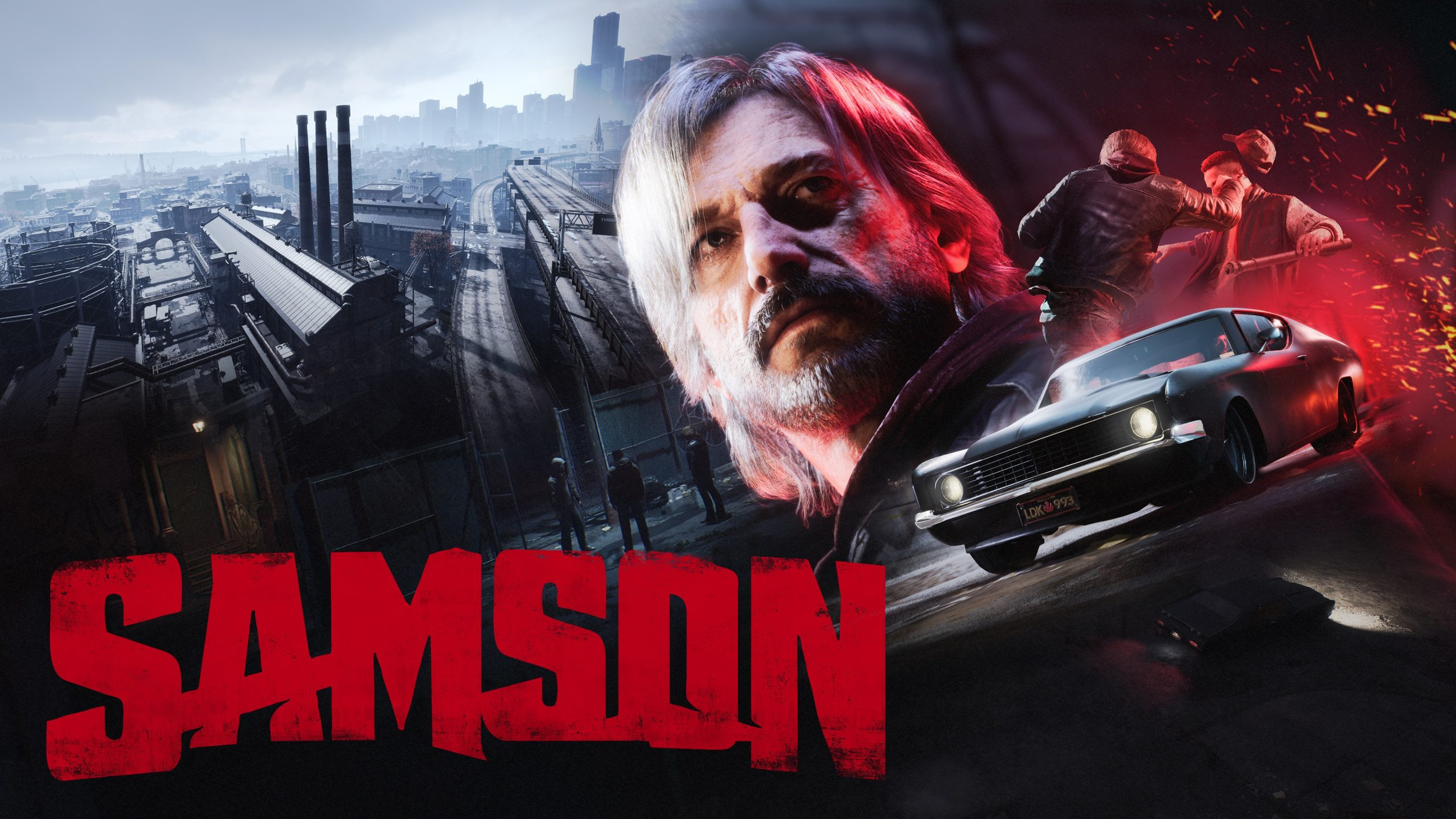
The second title confirmed for day one support is Samson: A Tyndalston Story from Liquid Swords. While this game may not carry the same established NVIDIA history as Remedy’s projects, its inclusion still strengthens the GeForce NOW launch lineup. According to the recently shared PC specifications on Steam, the game does not appear especially demanding on local hardware. Even so, cloud availability remains strategically useful, especially for users who want flexible access across devices or who prefer not to allocate local storage and system resources to every new release.
Outside of game additions, NVIDIA also announced a major quality of life improvement for VR users on GeForce NOW. Starting Thursday, March 19, supported VR devices including Apple Vision Pro and Meta Quest will be able to stream at 90 FPS for Ultimate members, up from the previous 60 FPS limit. This is a substantial upgrade for cloud based VR delivery, as higher frame rates are particularly important in virtual reality to improve motion clarity and reduce discomfort. While cloud VR still sits in a relatively specialized segment of the gaming market, this move signals that NVIDIA is continuing to invest in performance improvements where latency and smoothness matter most.
The company also confirmed that the Install to Play library is expanding with select Xbox titles, including Double Fine’s Brutal Legend and Compulsion Games’ Contrast. This continues NVIDIA’s broader effort to make GeForce NOW more integrated with major subscription ecosystems and owned libraries rather than simply functioning as a standalone catalog.
On the app side, NVIDIA is introducing new in app labels that will appear directly on game art in the GeForce NOW application. This should make it easier for users to identify which titles are available through subscription services such as Xbox Game Pass and Ubisoft+. It is a relatively simple update, but one that addresses a real usability issue inside growing cloud libraries where content sources can quickly become confusing.
Looking ahead, NVIDIA also said that GeForce NOW users will be able to link their GOG account and synchronize their game library in the coming months. That expansion may not be as headline grabbing as new RTX features or 90 FPS VR support, but it is an important step in making GeForce NOW feel more like a central access point for a player’s broader PC ecosystem. As cloud gaming platforms compete on convenience as much as raw performance, deeper library integration is becoming a core differentiator.
Taken together, these GDC 2026 updates show NVIDIA continuing to strengthen GeForce NOW across several fronts at once. The company is adding day one support for upcoming games, pushing advanced rendering features into the cloud, improving the VR streaming experience, and making the app itself more transparent and connected. For users invested in cloud gaming, especially those already subscribed to the Ultimate tier, this is a solid forward move that makes the service more capable and more practical at the same time.
What do you think about these GeForce NOW updates? Are you more interested in CONTROL Resonant, the new 90 FPS VR streaming upgrade, or the growing library integration across services?
