
Former TSMC Engineer Accused of Running NT$3.4 Billion Taiwan Korea Underground Exchange Network
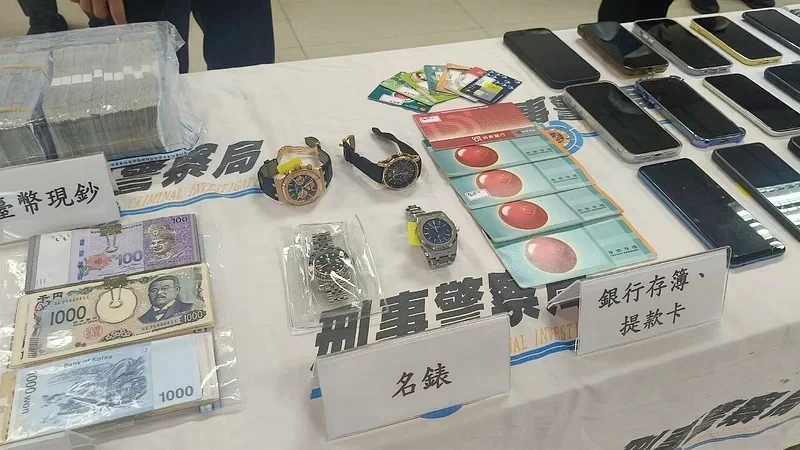
Taiwanese authorities have dismantled a major underground currency exchange operation that allegedly processed at least NT$3.4 billion since 2018, with local reporting identifying the suspected leader as a former TSMC engineer. According to Taiwan's Criminal Investigation Bureau, investigators conducted 14 searches across Taipei, Taichung and Kaohsiung during 3 operations on June 22, July 14 and July 29, ultimately bringing 11 suspects in for questioning.
The investigation began in February after authorities received information that a Taipei logistics company was allegedly using its cross border shipping business as cover for unauthorized currency exchange between Taiwan and South Korea. Investigators say the company contacted customers through WeChat groups and directed businesses requiring Korean currency toward the underground exchange network. Many of the customers were Taiwanese apparel and footwear businesses purchasing inventory from Seoul's Dongdaemun shopping district, where faster settlement and lower transaction friction reportedly made the illegal service attractive compared with conventional banking channels.
Police allege that customers were instructed to transfer Taiwanese dollars into designated personal accounts and, in some cases, leave the transaction description empty or mark it simply as payment for goods to reduce attention from financial monitoring systems. Cash was also collected directly from businesses by members of the network. The group would then arrange for corresponding Korean currency to be delivered on the South Korean side, effectively allowing customers to settle international purchases without moving the same money through the conventional banking system.
Cryptocurrency reportedly became another part of the operation. Authorities say some Taiwanese dollars were transferred into the MAX cryptocurrency exchange before being moved through platforms including Binance and Bybit, personal cold wallets and ultimately accounts in South Korea. Police believe the combination of domestic accounts, cash withdrawals, cryptocurrency and overseas transfers was designed to create multiple breaks in the financial trail and make the underlying transactions harder to monitor.
Local reporting from United Daily News identifies the principal suspect as a former TSMC engineer who left the semiconductor company for health reasons before becoming involved in underground currency exchange. Investigators reportedly found that he approached the operation analytically, developing formulas to calculate profitability and studying exchange rate differences as part of the business model. The case is therefore connected to TSMC through the suspect's previous employment, but there is no indication that TSMC itself or its semiconductor operations were involved in the alleged activity.
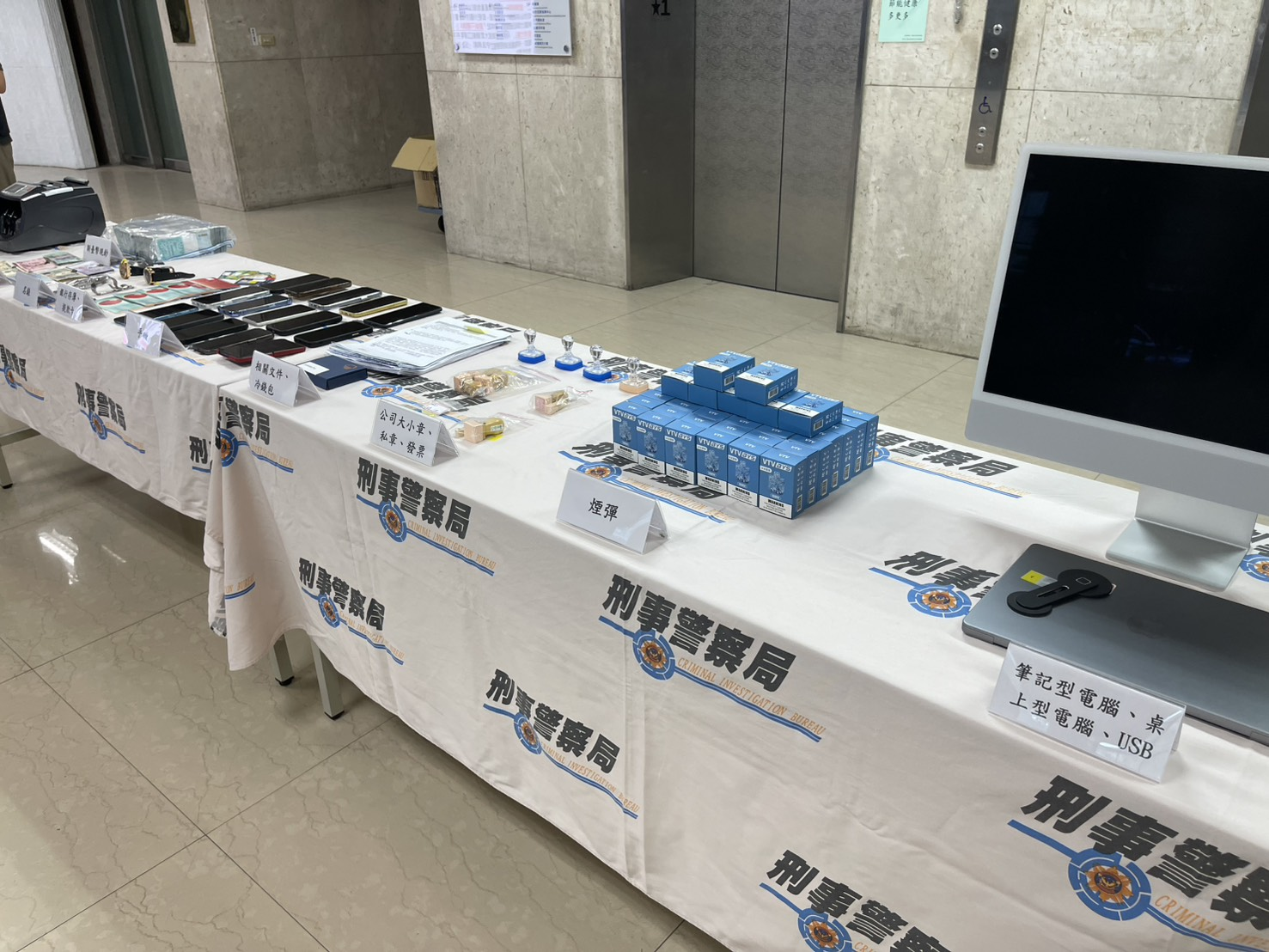
Authorities seized more than NT$2.55 million in cash, 1,078 USDT, 0.4349 ETH, approximately 1.71 million Korean won, securities valued at more than NT$1.03 million, 3 Audemars Piguet watches, 1 Rolex and a Tesla Model S Plaid. Mobile phones, bank books, corporate documents and other evidence were also confiscated. Police estimate that the network handled at least NT$3.4 billion in underground exchange transactions from 2018 onward.
The suspects were transferred to the Taipei District Prosecutors Office on suspicion of violating Taiwan's Banking Act, Money Laundering Control Act and other laws. The principal suspect was released on NT$500,000 bail while the investigation continues. Authorities also discovered that property management personnel at one residential community allegedly warned a suspect that police were preparing to make an arrest. Those individuals were subsequently detained over suspected disclosure of confidential information.
The TSMC connection makes the case unusual, but the more important technology angle is how sophisticated underground financial networks are increasingly combining traditional cash collection with cryptocurrency exchanges, cold wallets and international platforms to fragment transaction trails. The alleged operation was not dependent on a single payment technology. Instead, investigators describe a hybrid system that moved between bank accounts, cash and digital assets depending on what was most useful at each stage.
It is also important to separate the suspect's former employment from the alleged crime itself. There is currently no evidence that TSMC technology, trade secrets or corporate systems played any role in the case. The relevance of his engineering background comes from reports that he applied analytical methods to exchange rate calculations and profitability, showing how technically skilled operators can build increasingly structured financial networks outside regulated channels.
Do you think cryptocurrency has made underground cross border finance significantly harder for authorities to trace, or are modern blockchain analytics giving investigators stronger tools to follow the money?
