
Final Fantasy Resonance Returns to Classic Turn Based Combat Without Simply Living on Nostalgia
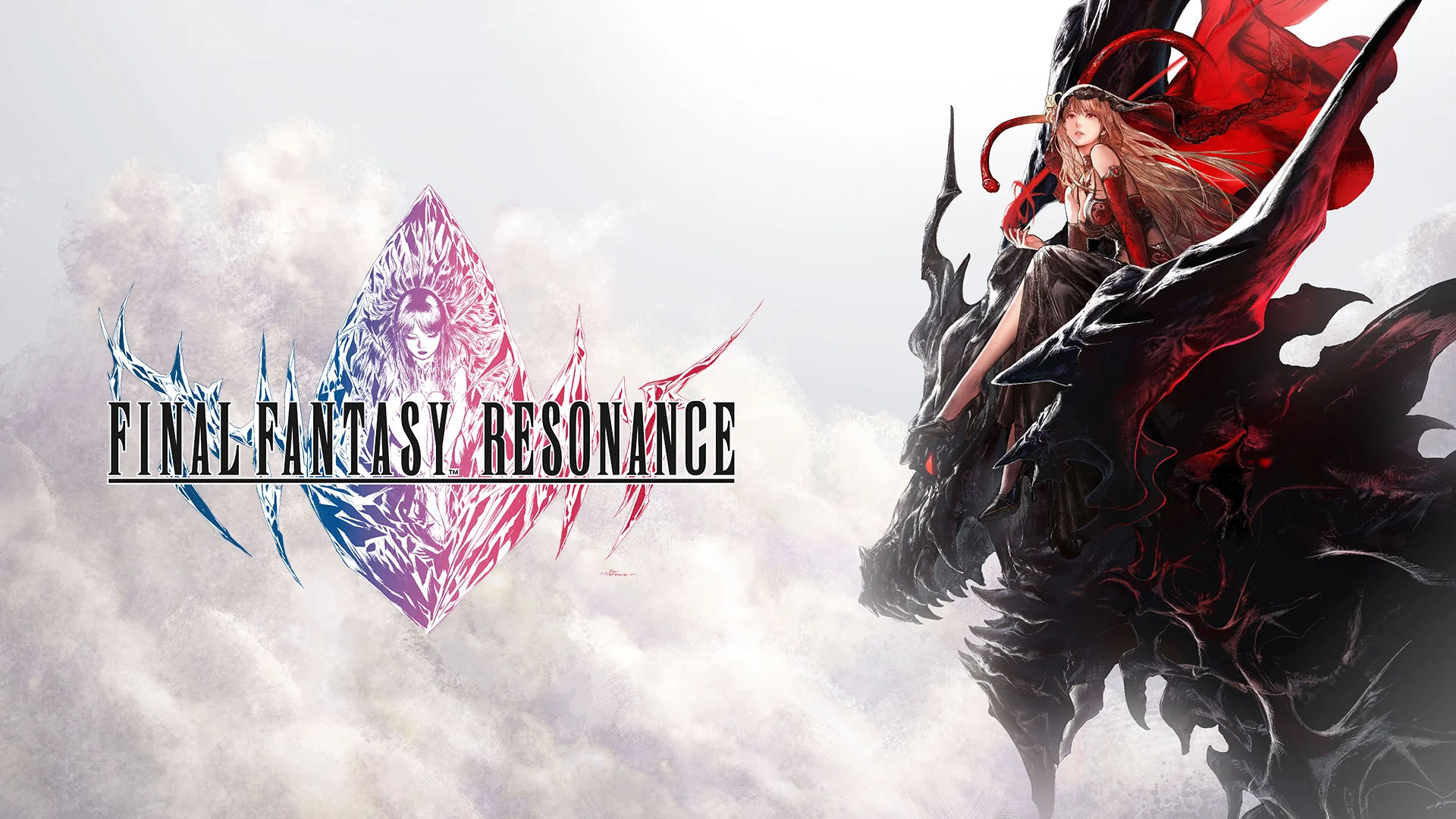
Final Fantasy Resonance is intentionally bringing Square Enix's flagship RPG series back toward the structure of its earliest entries, but a new Gamescom 2026 gameplay demonstration suggests the project is doing considerably more than recreating memories from the 16 bit era. After around 60 minutes with the game, its combination of traditional turn based battles, modern Stagger mechanics, extensive character customization, HD 2D presentation, and Final Fantasy characters from across the franchise paints Resonance as a new interpretation of classic Final Fantasy rather than simply a nostalgic tribute.
Square Enix originally revealed the game in June, with first Final Fantasy Resonance coverage highlighting its return to turn based combat, world exploration, Espers, airships, and an expanded Vision system. Square Enix has since confirmed that Resonance is the first Final Fantasy developed around its HD 2D visual approach and is based on the first story arc of Final Fantasy Brave Exvius, although the publisher stresses that this is not a direct conversion of the former mobile game. Instead, the story and gameplay have been extensively rebuilt into a full premium console RPG.
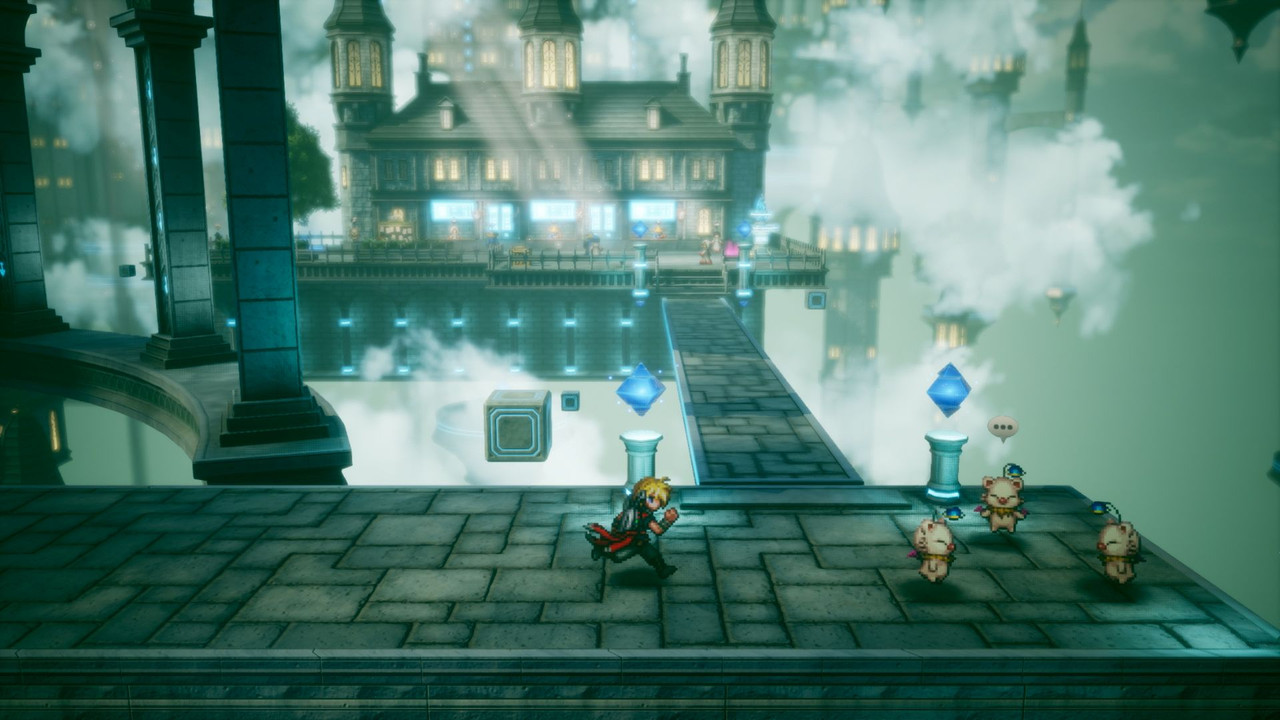
The Gamescom demonstration takes place during Chapter 2 as Rain and his companions travel toward the Wind Shrine. While the section apparently reveals relatively little about how extensively the original Brave Exvius storyline has been rewritten, fully voiced dialogue and considerably more cinematic presentation give its characters a stronger presence than traditional Final Fantasy titles from the NES and SNES generations could provide. Rain in particular retains the energetic and impulsive personality established in Brave Exvius, while the wider story once again revolves around crystals, kingdoms, mysterious enemies, and a journey that gradually expands across the world. Square Enix describes the adventure as following Rain and Lasswell after the Earth Crystal is shattered by Veritas of the Dark, forcing them to protect the remaining crystals alongside the mysterious Fina.
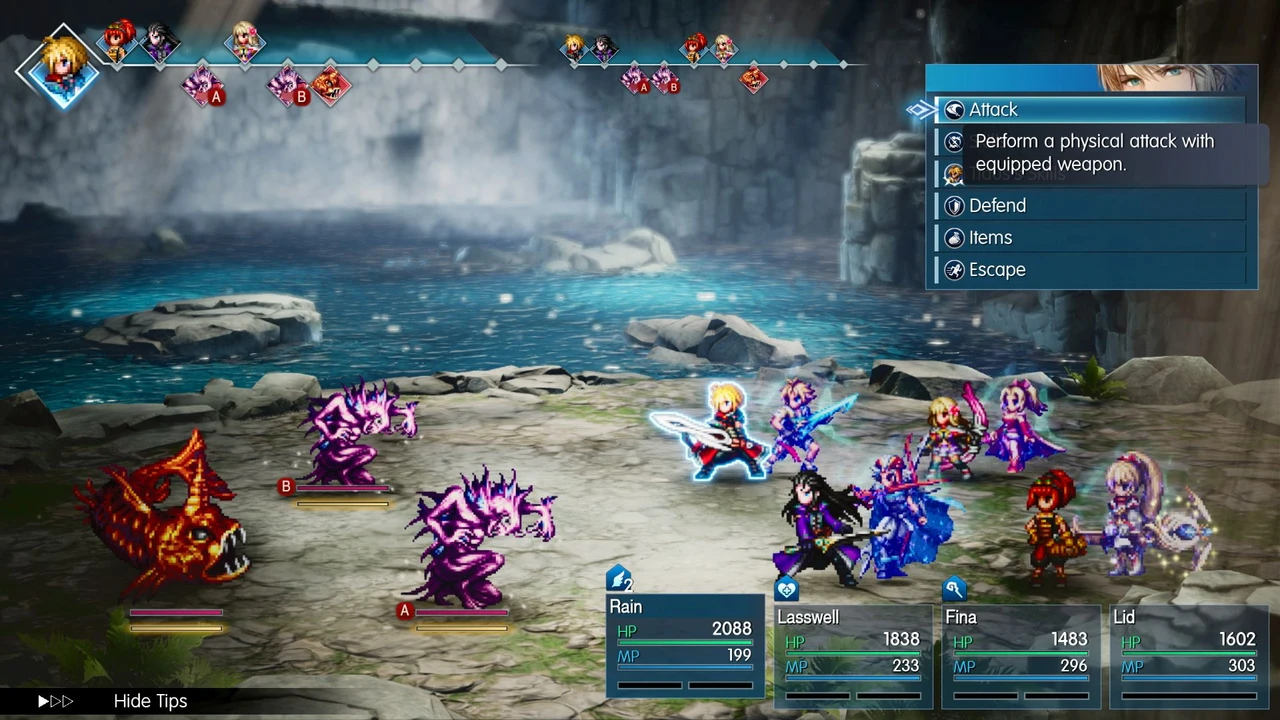
Combat is where Resonance appears most successful at blending the old and new. Battles return to traditional command based turns, with a visible turn order allowing players to anticipate upcoming actions and plan around enemy behavior. However, weaknesses now feed into a Stagger system. Repeatedly exploiting the correct vulnerabilities fills an enemy gauge until its defenses collapse, opening an opportunity for additional actions. If every enemy is staggered simultaneously, the party can trigger a powerful Resonance Attack, creating a combat rhythm built around discovering weaknesses and efficiently manipulating the battle rather than simply selecting the strongest available attack.
The result reportedly shares some strategic DNA with Octopath Traveler, particularly when players begin treating each encounter as a puzzle that can potentially be solved within a limited number of turns. Even during the Gamescom demonstration, where the available characters were deliberately overleveled, efficiently breaking enemies and clearing battles quickly remained one of the more satisfying parts of the combat loop. Square Enix has also emphasized that the finished game is intended to provide genuine resistance on its Normal difficulty rather than allowing players to move through bosses without reconsidering party composition or strategy.
One of Resonance's most important systems is Visions. Players can equip manifestations of characters from throughout Final Fantasy history, gaining access to their abilities, passive bonuses, magic, and specialized skills. These Visions grow alongside the character using them, gradually unlocking additional options and effectively giving Resonance a progression structure inspired by the flexible Job systems used throughout the franchise.
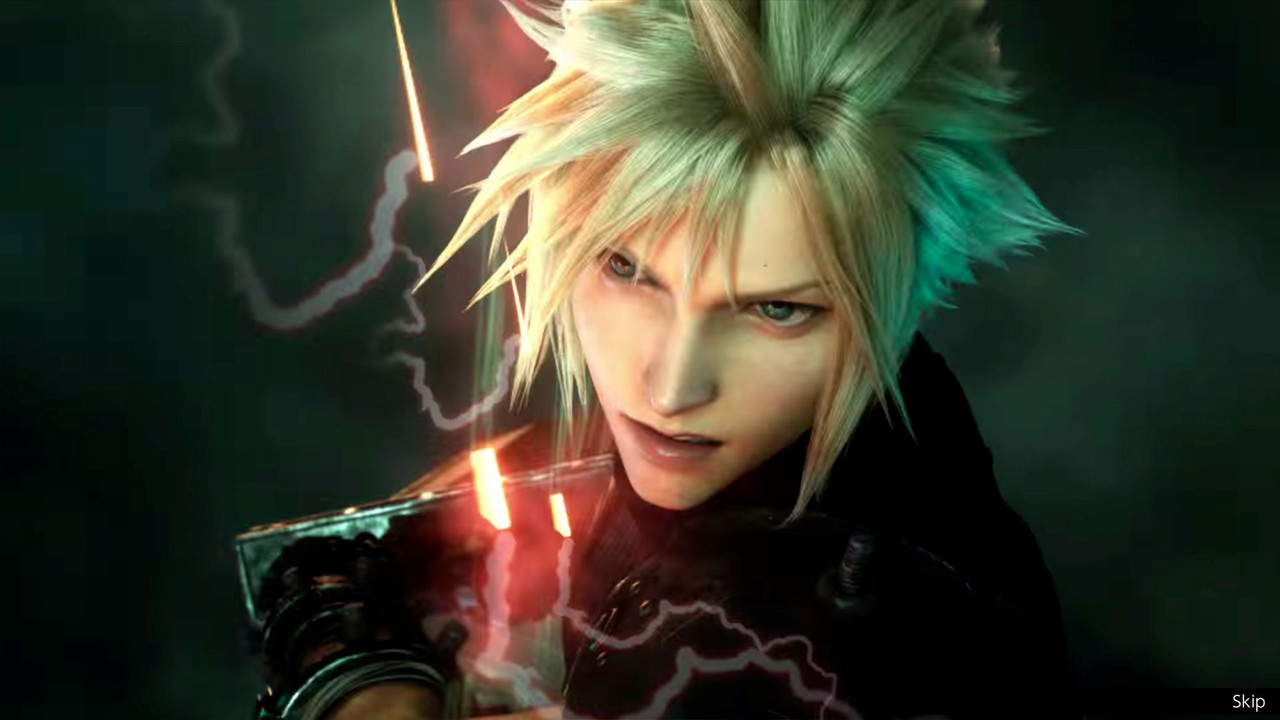
The nostalgic component is unmistakable. Confirmed Visions include the Warrior of Light, Cloud, Squall, Zidane, Tidus, Noctis, and other recognizable heroes. However, Square Enix appears to be integrating them directly into character building rather than treating them as cosmetic cameos. Unlocking certain Visions also includes interactions connected with the history and personality of the character being recruited, creating another layer for longtime players without making knowledge of every Final Fantasy game necessary to understand the main story.
Exploration also remains deliberately traditional. The Wind Shrine shown at Gamescom is one of the smaller dungeons in the game, but includes branching routes, optional treasure, enemy encounters, and a boss waiting at its conclusion. Resonance also retains random encounters, a design decision Square Enix has described as deliberate rather than simply inherited from older RPGs. The development team wants dungeons to feel like journeys where surviving repeated battles, managing resources, and eventually overcoming the boss become part of the player's memory of exploring the location. Encounter rates will be reduced around puzzle areas, while the minimap provides information indicating when another battle is approaching.
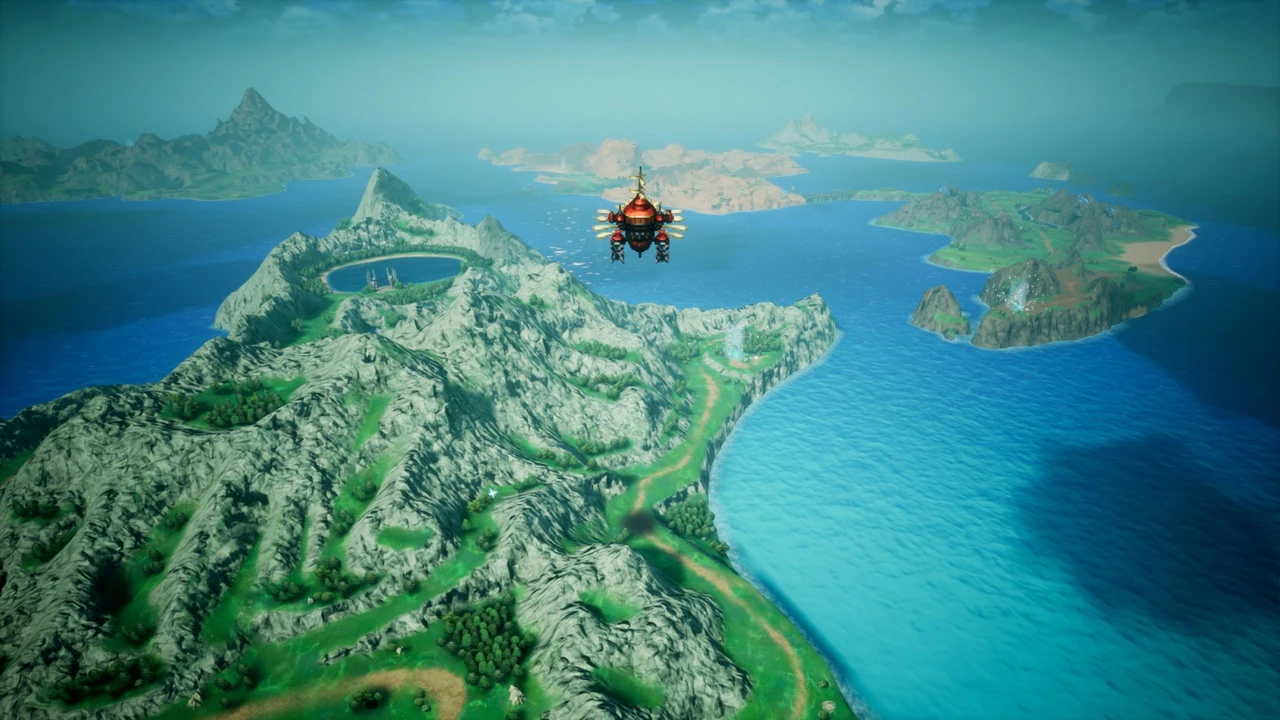
That philosophy is particularly interesting because Square Enix is not treating every older mechanic as something that needs to disappear in a modern RPG. The company has been increasingly willing to support several different Final Fantasy identities simultaneously. Final Fantasy XVI moved heavily toward real time action, the Final Fantasy VII Remake trilogy blends action with command driven tactical systems, while Resonance is targeting players who still want traditional party management, turn based combat, world exploration, airships, Espers, and structured dungeon progression. Previous look at Square Enix's evolving Final Fantasy strategy similarly showed the publisher discussing the importance of balancing modernization with the characteristics that players remember from its older games.
Visually, Resonance asks what Final Fantasy might have become if Square had continued evolving pixel art instead of transitioning the main series into fully polygonal graphics. Its HD 2D presentation combines detailed sprites with modern lighting, dynamic camera angles, depth, particle effects, and pixel styled 3D elements. Square Enix describes it as the first Final Fantasy to join its HD 2D lineup, placing the project alongside a broader portfolio that has already demonstrated how retro inspired presentation can coexist with modern production techniques.
That wider strategy can already be seen across Square Enix's current RPG portfolio. The Adventures of Elliot: The Millennium Tales applies HD 2D visuals to an action RPG, while Resonance is using the same broader visual philosophy to reconnect Final Fantasy with command based combat. Rather than forcing every project into one gameplay template, Square Enix increasingly appears comfortable allowing different RPGs to target different audiences.
Final Fantasy Resonance launches on October 22, 2026 for PlayStation 5, Xbox Series X|S, Nintendo Switch, Nintendo Switch 2, and Windows through the Microsoft Store. Square Enix currently lists the Steam release for October 23, 2026. A Digital Deluxe Edition and physical Collector's Edition are also planned.
Final Fantasy Resonance could easily have become a project built entirely around recognizable sprites, famous characters, crystals, airships, and memories of the franchise's most celebrated years. The Gamescom demonstration suggests Square Enix understands that nostalgia can attract players, but it cannot carry an entire RPG.
The Stagger system, Resonance Attacks, Visions, turn manipulation, character customization, and deliberate approach to dungeon difficulty give the game its own mechanical identity. The most promising element is that Square Enix does not appear embarrassed by traditional RPG design. Random encounters, resource management, turn based combat, party composition, and difficult bosses are being treated as systems worth refining rather than problems that automatically need to be removed.
That could make Resonance particularly important for the future of Final Fantasy. The franchise no longer needs every project to answer the argument over action versus turn based combat. Square Enix can support both. Resonance gives traditional players a dedicated branch while projects such as Final Fantasy VII Revelation continue pushing the cinematic and action driven side of the franchise forward.
If Resonance succeeds commercially, the bigger message may not be that Final Fantasy needs to return permanently to its past. It may simply prove that classic Final Fantasy gameplay still has a substantial place alongside everything the series has become.
Does Final Fantasy Resonance's combination of turn based combat, Stagger mechanics, Visions, and HD 2D presentation feel like the right evolution of classic Final Fantasy, or would you rather Square Enix push the series further toward modern action RPG gameplay?
