
Square Enix Shareholder Meeting Turns Into Elliot Praise as Final Fantasy Future Takes Shape
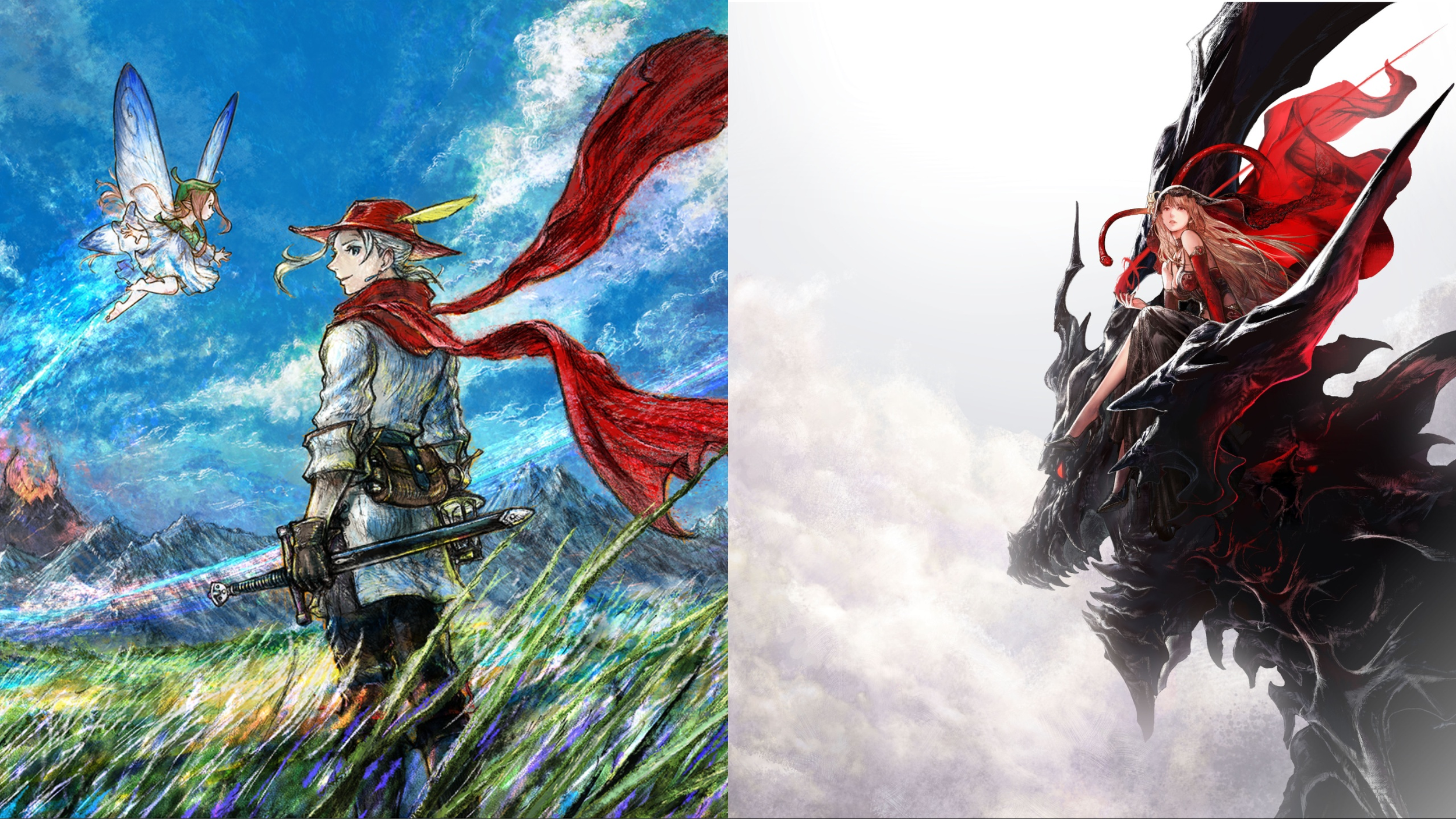
Square Enix’s 46th Annual Shareholders Meeting delivered a rare corporate gaming moment when a shareholder used the session not only to question company strategy, but also to praise The Adventures of Elliot: The Millennium Tales, the publisher’s new HD 2D action RPG. The meeting was held on June 24, 2026, with 251 shareholders present, and its official summary shows that the discussion moved beyond finance, governance, and release strategy into direct player feedback from someone clearly spending time with Square Enix’s newest title.
The shareholder asked Square Enix to extend the time allotted for questions, then added that their family was enjoying The Adventures of Elliot: The Millennium Tales, which had released the previous week. The comment stood out because shareholder meetings are often viewed by gaming audiences as purely financial spaces, while this exchange showed a more direct connection between investors and the products being created. Square Enix responded by saying that launching Elliot was a challenge, especially in a market where creating new intellectual properties is considered difficult, and confirmed that the feedback would be shared with the team, including Creative Studio Head Tomoya Asano.
"Please pass along to the development team."
— Unnamed Square Enix shareholder
The Adventures of Elliot: The Millennium Tales launched on June 18, 2026 for PlayStation 5, Xbox Series X|S, Nintendo Switch 2, and PC. Square Enix describes the game as a brand new action RPG from the creators of Octopath Traveler and Bravely Default, built around action based combat, exploration, and support abilities from a fairy companion. The official technical breakdown lists support for up to 3840 x 2160 rendering resolution on PlayStation 5, Xbox Series X, and PC, while Nintendo Switch 2 targets up to 1920 x 1080 with up to 60 fps in TV mode and variable 30 fps to 60 fps in handheld mode.
That technical profile matters because Elliot is not simply another retro inspired Square Enix RPG. It represents the company’s effort to extend the HD 2D identity beyond turn based battles and into real time action. For a publisher balancing legacy audiences, new markets, and rising development risk, positive shareholder feedback for a new IP may be commercially important, even if the exchange itself felt unusually wholesome for an investor meeting.
The more strategic part of the meeting came through Square Enix’s comments on the future of Final Fantasy. A shareholder asked whether future remakes could update visuals while preserving traditional combat systems instead of fully shifting toward large scale open world action like Final Fantasy VII. Square Enix answered that it will continue using a market in approach, assessing what current players respond to while trying to balance modern development choices with expectations from fans who loved the original works.
"Strike the right balance."
— Square Enix
This response does not confirm a specific remake project, but it does suggest that Square Enix is not locked into one Final Fantasy formula. The company appears willing to evaluate each title individually, which could open the door for remakes that modernize presentation while keeping turn based systems, command based combat, party management, or more traditional RPG pacing.
The meeting also raised the possibility of Final Fantasy XV eventually reaching Nintendo Switch 2. When asked directly whether the game could be ported, Square Enix said that faithfully replicating the exact Final Fantasy XV experience would involve hardware constraints, but also stated that it was not entirely impossible. The company did not confirm active development, only that it would pass the request to the development team as feedback for future platform planning.
"Not entirely impossible."
— Square Enix
That wording is important. Final Fantasy XV remains a technically complex project due to its open world structure, large environments, real time systems, and original Luminous Engine foundation. A Switch 2 version may be feasible, but it would likely require careful optimization, visual adjustments, and engineering support from teams familiar with the original technology. Square Enix’s answer sounds more like a door left open than a product tease.
Square Enix is already pushing broader platform availability across its major franchises. Final Fantasy VII Revelation is confirmed as the third part of the remake trilogy and is listed for PlayStation 5, Nintendo Switch 2, Xbox Series X|S, Steam, and Epic Games Store, with the official page describing it as the final battle against Sephiroth and the conclusion of the current Final Fantasy VII project.
This shareholder meeting is interesting because it shows Square Enix dealing with 2 very different business realities at the same time. On one side, The Adventures of Elliot proves that new IP still matters, even when publishers often prefer safer franchise extensions. On the other side, the Final Fantasy discussion shows that legacy management is becoming more flexible, with Square Enix weighing nostalgia, combat identity, platform expansion, and remake scope more carefully.
The strongest signal is not that every future Final Fantasy remake will return to turn based combat. The stronger signal is that Square Enix recognizes there is no single Final Fantasy audience anymore. Some players want cinematic action. Some want hybrid combat like Final Fantasy VII Remake and Rebirth. Others still want traditional party systems, world maps, commands, Espers, airships, and structured progression.
That creates a major opportunity. Instead of forcing the entire franchise into one global template, Square Enix can divide its portfolio more intelligently. Final Fantasy VII Revelation can carry the AAA cinematic branch. Final Fantasy Resonance can serve the classic RPG audience. A potential Final Fantasy XV Switch 2 port could reinforce platform access. New projects like The Adventures of Elliot can test original worlds without carrying the pressure of a numbered Final Fantasy title.
For Square Enix, the next phase should be about portfolio architecture, not just individual releases. The company has the IP depth, developer heritage, and platform reach to support multiple RPG identities at once. The shareholder meeting made that strategy clearer than expected.
Would you rather see Square Enix keep experimenting with new HD 2D projects like The Adventures of Elliot, or should the company focus more heavily on traditional Final Fantasy remakes?
