
Former Samsung Engineer Sentenced to 7 Years for Leaking Core DRAM Technology to CXMT
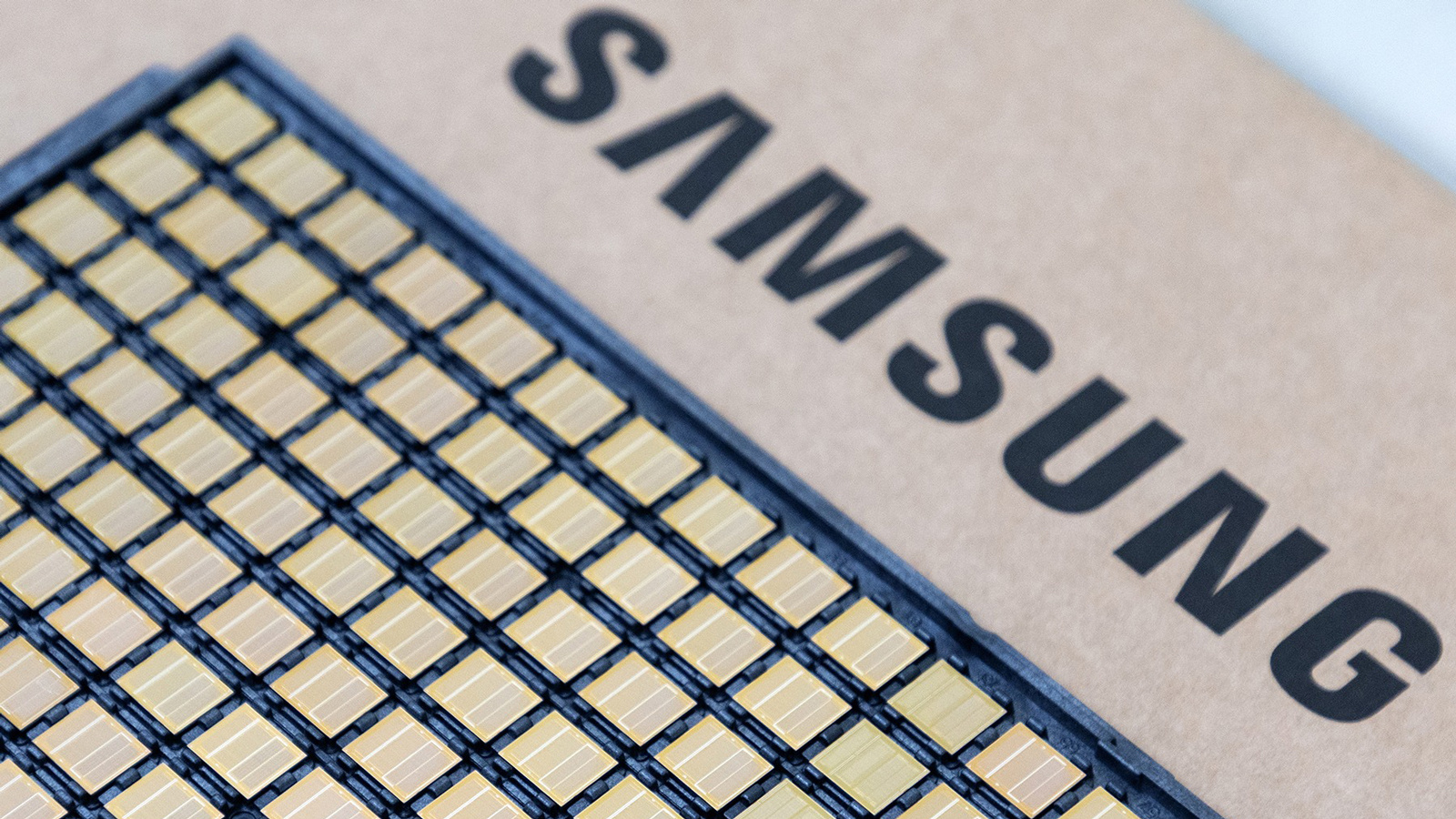
A former Samsung Electronics researcher has been sentenced in Seoul to 7 years in prison after being found guilty of leaking key DRAM semiconductor technology to Chinese memory maker CXMT, in a case that further intensifies concerns over industrial espionage in the global memory sector. The ruling, reported by Hankyung, adds new weight to the growing view that China’s rapid DRAM progress has been helped not only by investment and talent recruitment, but also by the transfer of highly sensitive intellectual property from major Korean chipmakers.
According to reporting on the case, the former Samsung employee, identified by surname Jeon, was convicted under South Korea’s Industrial Technology Protection Act for unlawfully providing Samsung’s core DRAM process technology to CXMT. Reuters reported that the court viewed the leaked information as national core technology, and said Jeon had conspired in the breach after moving to the Chinese memory company.
The financial side of the case is just as striking as the sentence itself. South Korean media reports say Jeon received around 2.9 billion won, roughly 2 million dollars, over about 6 years in exchange for the leaked technology. That compensation reportedly included a 300 million won signing incentive and 300 million won in stock options, underscoring how aggressively strategic semiconductor talent and know how are being pursued in the broader memory race.
The case also matters because of the importance of the technology involved. Coverage of the ruling says the stolen process information was tied to Samsung’s advanced DRAM manufacturing know how, with some reports describing it as 18 nanometer class technology developed at a cost of about 1.6 trillion won. That is the kind of process level knowledge that can shorten years of development time for a rival company, especially in a market where yields, scaling, and process tuning often define who leads and who follows.
This sentence does not stand alone. Reuters reported in December 2025 that South Korean prosecutors had indicted 10 people over the alleged leak of advanced memory chip technology to CXMT, including former Samsung personnel. Prosecutors said the stolen manufacturing methods helped CXMT produce 10 nanometer class DRAM in 2023, which they described as a first for a Chinese company. That earlier investigation already signaled that the issue was far broader than one employee or one isolated transfer of information.
That wider context is what makes this ruling so significant for the memory industry. Samsung and SK hynix remain among the most important DRAM players in the world, while CXMT has been pushing aggressively to expand its position in both mainstream memory and more advanced segments. If core process knowledge from Korean firms is shown to have materially accelerated that progress, the competitive implications go far beyond one criminal case. It becomes a story about how national semiconductor leadership is being challenged through covert knowledge transfer as much as through open market competition.
For Samsung, this is another reminder that in the AI era, semiconductor security is no longer just about factory access or product roadmaps. Process knowledge, yield tuning, memory architecture, and manufacturing flows now sit at the center of geopolitical and commercial competition. Cases like this show how valuable that information has become, especially as DRAM and HBM move even deeper into the AI supply chain.
The latest sentence may close one chapter, but it does not end the broader issue. South Korea’s prosecutors and courts are clearly taking a harder line on semiconductor espionage, and this case will likely be watched closely across the industry as memory makers, governments, and partners rethink how to protect talent, trade secrets, and strategic process technology in an increasingly aggressive global chip race.
Do you think the memory industry needs even stricter legal and internal controls now, or is this already becoming impossible to contain in the global semiconductor race?
