
“Fable Is Mindblowing,” Says Xbox Game Studios Head, as Microsoft Signals a Push Toward More Consistent Multiplatform Launches
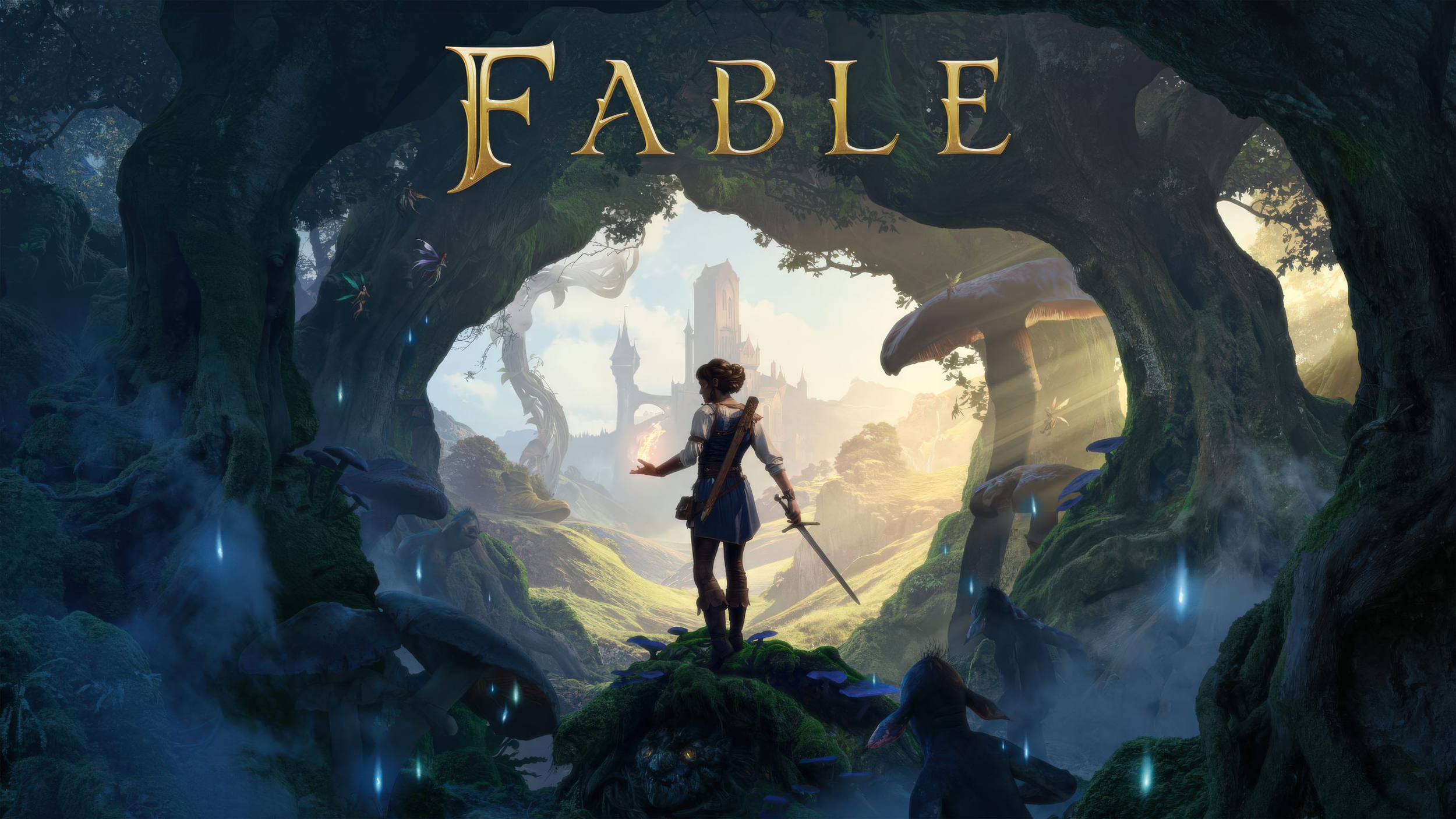
Xbox Game Studios head Craig Duncan is doubling down on confidence in Playground Games’ Fable reboot, while also acknowledging that Microsoft’s multiplatform rollout has not always been as predictable as players would like. In a post showcase interview with GamesRadar, Duncan described Fable as “mindblowing,” highlighting the game’s Living Population systems as the feature that keeps surprising him the most, and he also addressed the uneven platform timing seen across recent Xbox releases.
Duncan’s enthusiasm is centered on Playground’s attempt to modernize what made the original Fable trilogy special, without sanding off the weirdness that gave Albion its identity. He points directly to the Living Population concept as the kind of system that changes how an RPG feels minute to minute, not just how it looks in trailers. According to Duncan, he has played a substantial amount, experimented with combat, and spent time engaging with the Living Population, and he frames the result as a leap that many players will not be expecting when they finally get hands on. He also leans into the idea that these systems should make player stories more shareable, which is a quiet but meaningful nod to how modern RPGs win attention in the social era, not only through set pieces, but through emergent moments players want to clip and post.
The second major takeaway from the interview is Microsoft acknowledging the friction around Xbox’s multiplatform strategy. At the Xbox Developer Direct 2026, some titles were positioned for day and date launches across PlayStation 5, Xbox, and PC, while Forza Horizon 6 is still set to land on PC and Xbox first, with PlayStation 5 coming later. Duncan does not promise a one size fits all template, but he does call the inconsistency fair feedback and says Xbox is going to work toward being more consistent going forward.
His reasoning is bluntly operational. Development realities matter. When a project begins, the team size, timeline, platform plan, and technical scope are set early. If strategy changes midstream, some projects can pivot and some cannot without compromising delivery. Duncan’s framing suggests Xbox wants a clearer, more legible platform playbook for players, while still allowing teams to make the best call per title based on resourcing and timing. From a market perspective, this is Microsoft trying to protect momentum on 2 fronts at once: widening addressable audience through multiplatform while minimizing launch chaos that can dilute community energy.
For Fable specifically, Duncan frames the goal in the simplest business language possible: maximize reach. If you are building a tentpole RPG meant to re establish a legacy franchise, you want as many people as possible to be able to jump in, talk about it, and evangelize it. That is not just good vibes. It is pipeline math. A bigger launch footprint improves discovery, boosts creator coverage, and strengthens the franchise foundation for expansions and follow up projects.
With Fable currently carrying a 2026 release window, the pressure is on Playground to ship with polish. The original Fable name carries nostalgia weight, and the reboot is entering a market that is far less forgiving than the one the trilogy launched into. If Living Population truly delivers meaningful reactivity, it could become the game’s signature differentiator, the kind of system that separates a good RPG from an RPG people keep talking about a year later.
What do you want most from Fable, deeper NPC reactivity that turns Albion into a true life sim RPG, or tighter combat and quest design that prioritizes moment to moment gameplay first?
