
Embark Says ARC Raiders Was Built at a Fraction of AAA Cost Through “Old Ways of Working,” Not AI
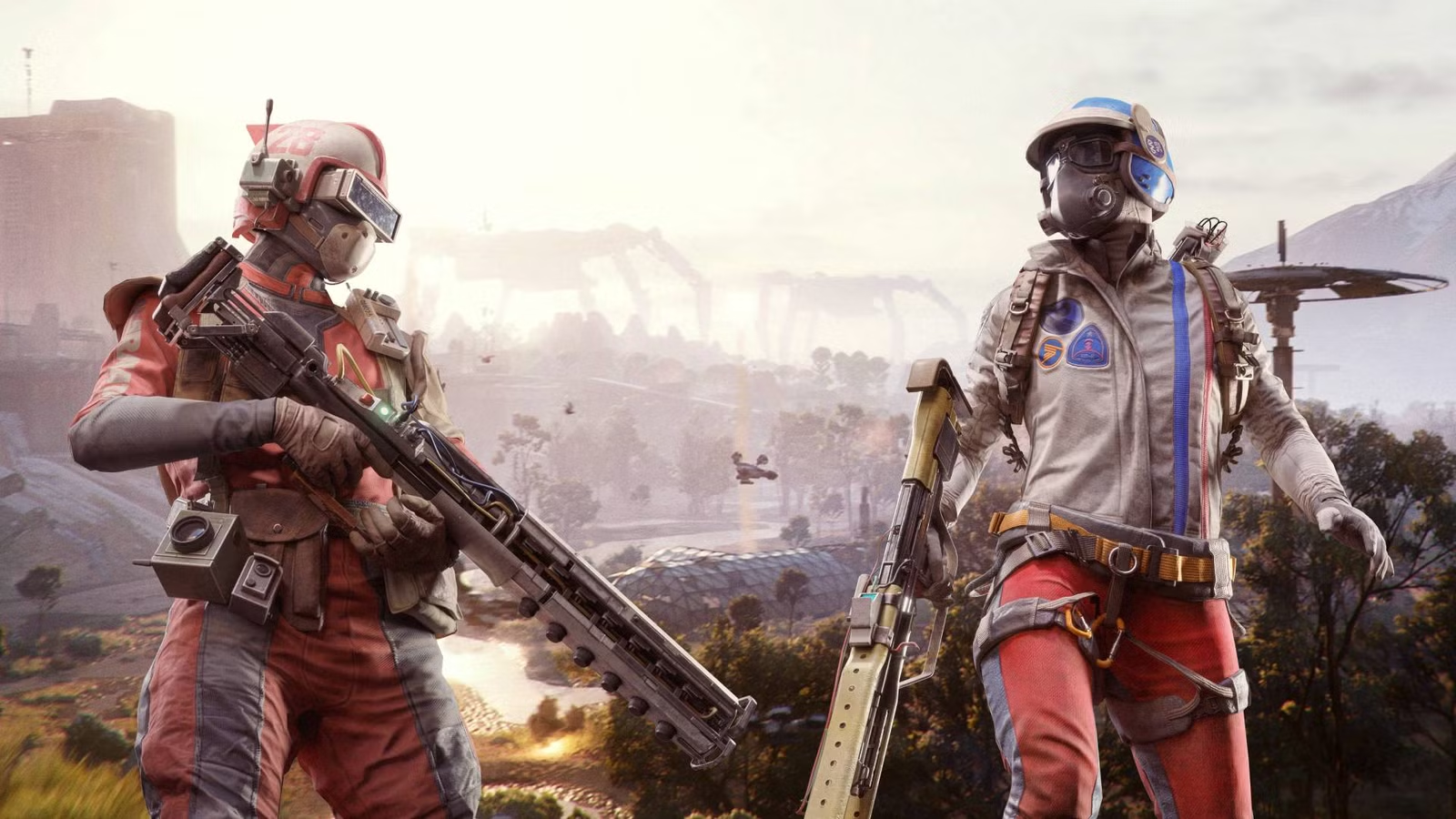
Embark Studios is offering a clearer explanation for how ARC Raiders managed to compete at a major commercial scale without carrying a typical AAA cost structure. In a recent interview with GamesIndustry.biz, studio founder and chief executive officer Patrick Söderlund said the team was able to make the game on roughly a quarter of the budget of a AAA title, and stressed that the result was not primarily driven by generative AI, but by rethinking outdated development methods and pipelines.
That distinction matters because Embark has already been part of the wider industry debate around AI usage, especially in connection with voice work and experimental production tools. Söderlund’s central argument, however, is that the studio’s efficiency came mostly from restructuring how games are made rather than replacing large parts of development with AI. He said Embark’s ambition was to produce quality and depth on the level of much larger teams, but with far fewer people, and framed that approach as a return to smarter fundamentals rather than a technology shortcut.
According to Söderlund, Embark looked at a range of practical production tools that could compress cost and time without compromising the final result. He pointed to tools and methods such as Google Maps topography, photogrammetry, procedural generation, and modernized pipelines as examples of the efficiencies the studio embraced. His summary was direct: “Very little of it is AI.” Instead, he described the process as reconfiguring “old ways of working,” including old toolsets, old pipelines, and old engine assumptions, with the goal of finding a better and faster path to the same level of production value.
That message is especially notable because ARC Raiders has become one of the stronger success stories of the current multiplayer market. The game launched on October 30, 2025, and by January 2026 it had sold 12 million copies worldwide, according to reporting that cited an Embark Steam post. That kind of scale gives more weight to Söderlund’s comments, because this is not a theory about leaner AAA development. It is a model Embark is presenting after a commercially proven release.
Söderlund also addressed the AI voice controversy around ARC Raiders more directly. He said Embark pays actors for all time spent in the booth and, for selected uses, also compensates them for approving licensed text to speech usage of their voices for less immersion critical lines, mainly ping system audio. He added that the studio has since re recorded some of those AI generated lines with real actors, and openly acknowledged that there is “a quality difference,” stating that “a real professional actor is better than AI.”
That is an important nuance. Embark is not presenting AI as a full replacement for performers, and Söderlund specifically described it as a production tool for testing, prototyping, and internal iteration. In his framing, the value is that the team can quickly test many different lines before deciding what should actually be recorded by human performers. That puts Embark in a more hybrid position than some of the more aggressive AI narratives seen elsewhere in the games business.
From an industry perspective, the larger takeaway may be more important than the AI debate itself. Söderlund is essentially arguing that the real opportunity in modern game development is not simply automating content generation, but rebuilding bloated production structures that were shaped in an earlier era of tools and team organization. If that model proves repeatable, ARC Raiders could end up being referenced less as an AI flashpoint and more as a case study in how to build a commercially competitive premium game with far tighter operational discipline. That is an inference based on Söderlund’s comments and ARC Raiders’ reported sales momentum.
Söderlund’s broader influence inside the industry has also grown alongside that success. In February 2026, Nexon announced that he had been appointed Executive Chairman, highlighting his role in building Embark and leading ARC Raiders to a successful release. That timing only adds more visibility to Embark’s approach, because the studio’s development philosophy is now being discussed not just as a one game story, but as part of a larger strategic leadership narrative.
For developers and publishers watching from the outside, ARC Raiders is becoming a compelling signal. Embark’s claim is not that AI solved AAA cost inflation. It is that disciplined pipelines, selective tooling, leaner team structures, and smarter production habits can still create a breakout hit. In a market where budgets keep climbing and risk tolerance keeps shrinking, that may be the more disruptive idea.
Do you think ARC Raiders is a real blueprint for leaner AAA development, or is this success story too specific to Embark’s experience and leadership to be easily repeated?
