
Inon Zur Says Starfield Will “Eventually Become Legendary” Because Players “Weren’t Ready for It”
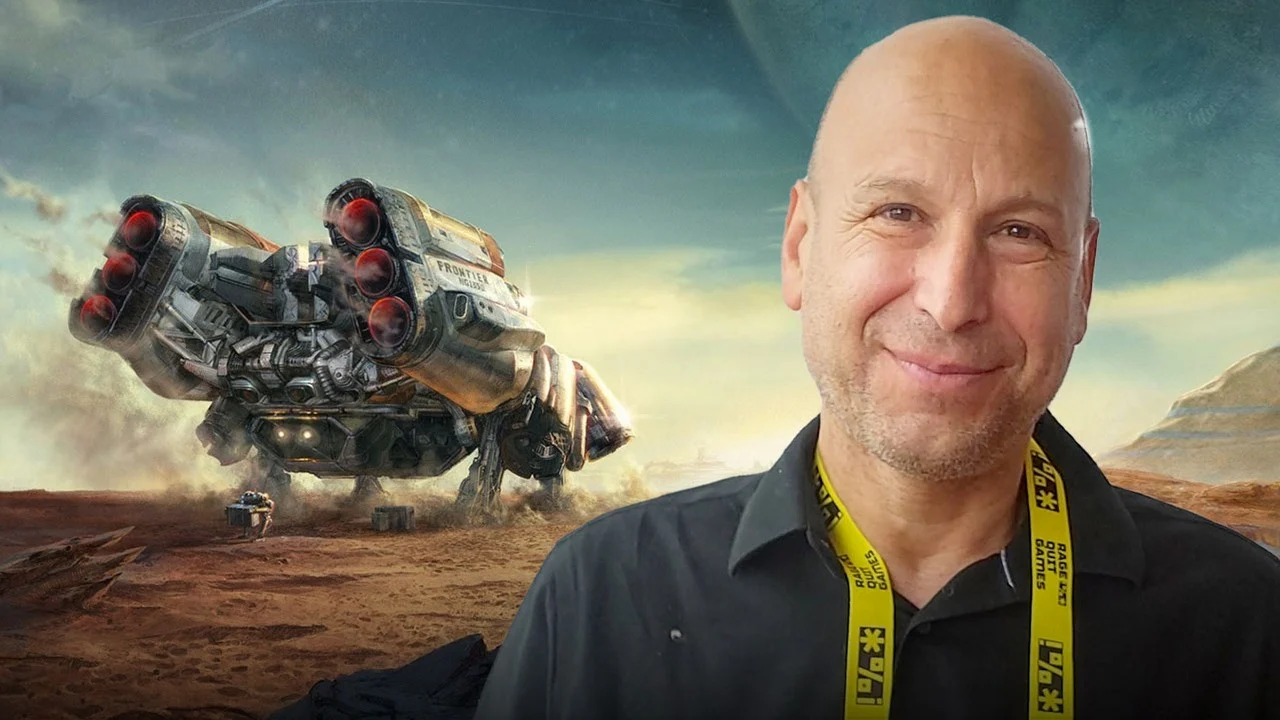
Starfield is once again at the center of debate after composer Inon Zur argued that Bethesda’s sci fi RPG was misunderstood at launch and will ultimately earn a far stronger legacy over time. In a recent interview with RPGSite, Zur spoke at length about the game’s music, his collaboration with Todd Howard, and his belief that the wider audience did not fully connect with Starfield’s vision when it first arrived.
Zur described Starfield as one of his favorite scores, placing it alongside projects such as Fallout 4, Rise of the Ronin, and Syberia. He explained that his approach was not to imitate the classic space sound of composers like John Williams, Jerry Goldsmith, or Vangelis, but instead to capture the emotional scale of a world that feels both still and immense while also filled with fast moving energy and constant motion. That balance, according to Zur, helped define a soundtrack that was meant to feel unique yet still emotionally accessible to players.
The more attention grabbing comments, however, came when Zur turned to the game’s reception. He praised Todd Howard as a visionary and suggested that Starfield’s mixed response was not simply about quality, but about timing and audience readiness. Zur said he believes players “were just not ready for it” when the game launched, adding that Howard has consistently stayed committed to a long term creative vision even when people do not immediately understand it. He went further by saying he has “no doubt” Starfield will eventually become “legendary.”
That is a bold statement, especially given how Starfield has been discussed since release. Unlike Skyrim or Fallout 4, the game did not achieve the same broad cultural momentum or universal enthusiasm, even if it still found a dedicated audience. Much of the conversation around Starfield has centered on its structure, exploration design, pacing, and the contrast between its ambitious scale and the expectations players had built up for Bethesda’s first new universe in decades. Zur’s comments do not erase those criticisms, but they do offer a very clear view into how one of the game’s closest creative contributors sees its long term trajectory.
In many ways, Zur’s defense of Starfield is also a defense of Bethesda’s design philosophy under Todd Howard. The composer framed Howard as the kind of creator whose ideas are often understood years later rather than at the moment they first appear. That perspective fits with the broader Bethesda pattern of building massive worlds that continue evolving in the public conversation long after launch. Whether Starfield follows that same path remains to be seen, but Zur clearly believes its reevaluation is only a matter of time.
The timing of these comments is also important. Bethesda has already indicated that it will have more to share next week regarding Starfield, which has immediately reignited speculation about fresh updates, possible new content, and the still unconfirmed PlayStation 5 version that has been heavily rumored in recent days. As of now, Bethesda has not officially announced a PS5 release date, so reports pointing to April 7, 2026 should still be treated as rumor rather than confirmed fact.
That distinction matters because some fans are hoping for a major turnaround moment, something closer to a Cyberpunk 2077 style redemption phase, while Todd Howard has already tried to temper expectations around the idea of a dramatic “2.0” reinvention. So even if more Starfield news is imminent, the bigger question is whether upcoming updates will meaningfully reshape public opinion or simply deepen support among players who already appreciate what the game is trying to do.
Zur’s comments will likely divide opinion. For supporters of Starfield, they reinforce the belief that the game has been too harshly judged and may age well once its ambitions are viewed outside the launch window. For critics, they may sound like another attempt to explain away legitimate disappointment. Either way, the interview has succeeded in doing one thing very effectively: putting Starfield back into the spotlight at exactly the moment Bethesda appears ready to talk about its future again.
Do you think Starfield will genuinely earn a legendary reputation over time, or has the game already shown the limits of Bethesda’s current formula?
