
Memory Suppliers Are Reportedly Cherry Picking Customers as DRAM Long Term Allocations Concentrate Around Top OEMs
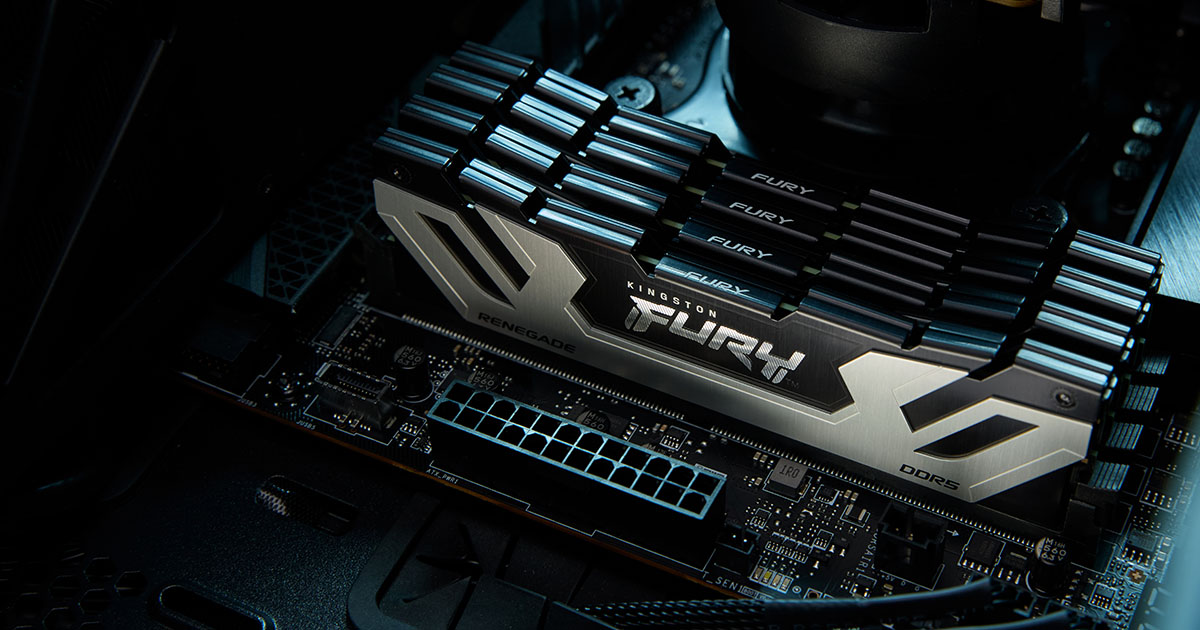
The DRAM market is moving deeper into a seller driven cycle, and the latest signal is not only higher pricing but selective access. A report from DigiTimes indicates that memory suppliers are increasingly prioritizing long term DRAM allocations for a limited set of major PC ecosystem customers, leaving many smaller vendors exposed to tighter supply, shorter contract visibility, and higher procurement risk.
According to the report, soaring memory contract prices have shifted leverage toward producers, effectively putting suppliers in control of who gets volume and under what terms. Samsung and SK hynix are described as focusing their long term allocation discussions around mainstream customers that control significant OEM scale, with Apple, Lenovo, Dell, and ASUS cited as primary beneficiaries. The logic is a classic supply chain prioritization play: when capacity is constrained, suppliers gravitate toward the largest, most predictable demand sources, where volume commitments are strongest and procurement relationships are most strategic.
DigiTimes also notes that suppliers are reportedly not eager to lock in multi month contracts broadly under current conditions. Instead, they are said to be evaluating the market in shorter cycles, allowing contract pricing and allocations to be adjusted more frequently as shortages persist. For major OEMs, that still translates into better access to stable supply. For smaller PC brands, regional system builders, and niche vendors, it introduces operational friction that can quickly become existential, since memory is a foundational component that gates end product shipments, channel availability, and competitive pricing.
For the PC market, the downstream impact is not simply that certain brands might negotiate better costs. In an allocation constrained environment, availability becomes the differentiator that matters most at retail. Even if all vendors face higher input costs, the brands with secured DRAM flow can maintain production continuity and keep systems on shelves, while competitors struggle with inconsistent builds, delayed launches, and reduced SKU breadth. As shortages deepen, DigiTimes suggests consumer behavior may shift from hunting for the best price to buying what is actually available, which is where the allocation advantage translates into real market power.
If this dynamic continues, the industry will likely be forced into difficult tradeoffs. Vendors without strong allocation may need to raise prices aggressively to protect margin, reduce production to match what they can source, or redesign product strategies around whatever memory configurations remain reliably obtainable. Either way, the report signals that DRAM procurement is becoming a strategic lever, not a routine supply item, and the current cycle is rewarding scale, long term relationships, and supply chain leverage.
If DRAM availability stays tight into 2026, do you expect PC buyers to shift more heavily toward major OEM prebuilts, or will the DIY market adapt with alternative sourcing and configurations?
