
RTX 5090 Saved From Connector Melting With ASRock’s 40$ Cable Despite Pulling 1350 W
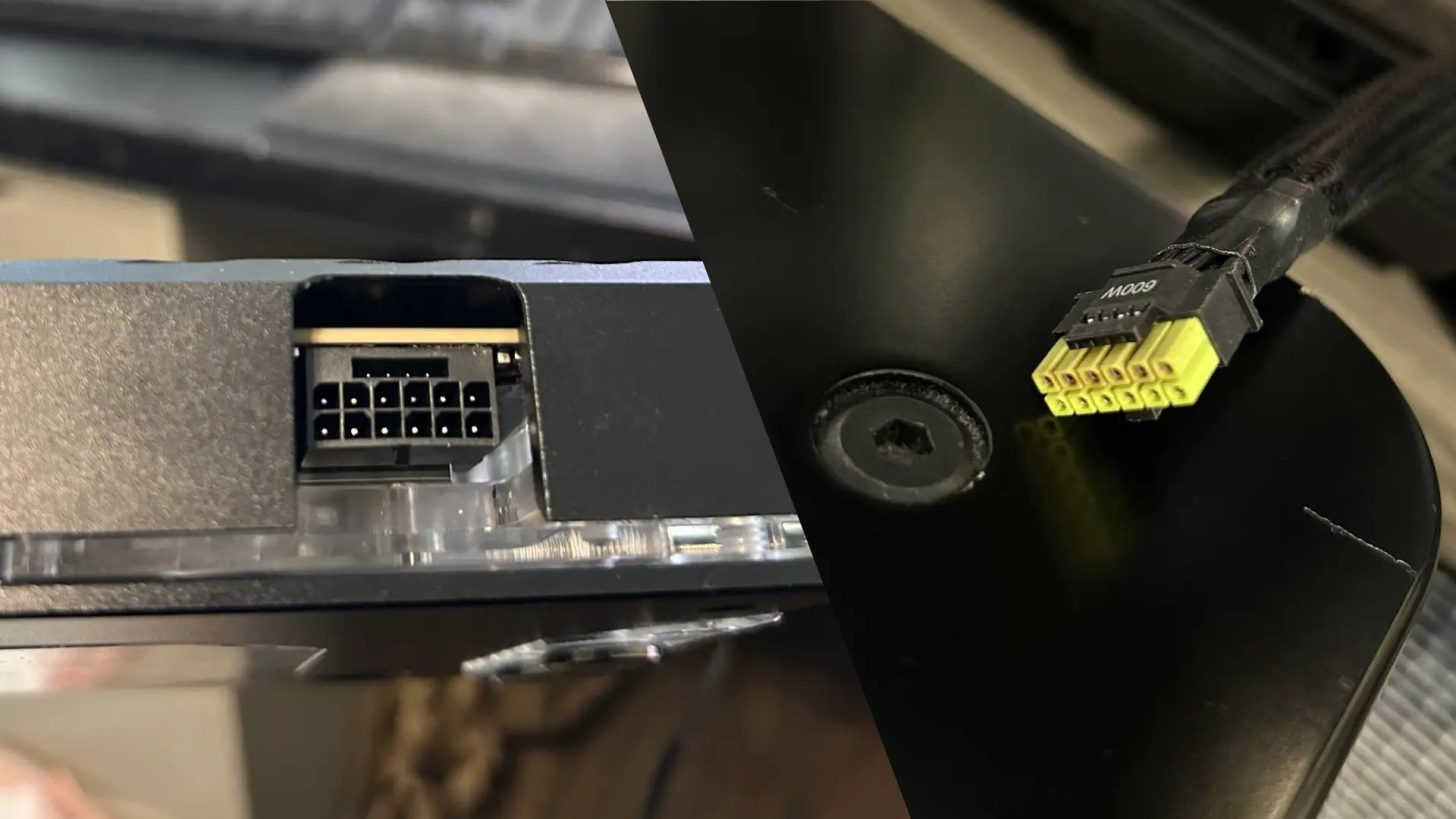
A new user report is fueling fresh discussion around 16 pin GPU power safety, after an RTX 5090 reportedly avoided a worst case connector melt while being pushed to an extreme 1350 W draw. The key differentiator in this story is not the mod itself, which remains high risk and warranty voiding, but the protective behavior of ASRock’s {United States 40 dollars: 40$} 12V 2x6 cable that can force a shutdown when connector temperatures climb beyond a defined threshold.
According to a post from an Overclock.net user, the setup involved an MSI RTX 5090 Ventus that had been shunt modded and paired with liquid cooling to unlock higher power limits for benchmarking. After nearly 20 intensive benchmark runs, the GPU powered down unexpectedly, but the user claims it was not due to a catastrophic connector failure. Instead, the shutdown was triggered by ASRock’s cable, which integrates an NTC sensor at the GPU side connector to monitor temperature and signal the PSU to halt operation when the connector exceeds the configured limit.
The reported cutoff point was 105 C, after which the system would not allow the GPU to power back on until the connector cooled down. Photos shared in the thread reportedly show discoloration on the GPU side connector, suggesting it experienced sustained high heat exposure even if it did not fully melt. The user also states they are considering replacing the connector because it may be irreversibly compromised, which is a crucial reminder that “no meltdown” does not automatically mean “no damage.”
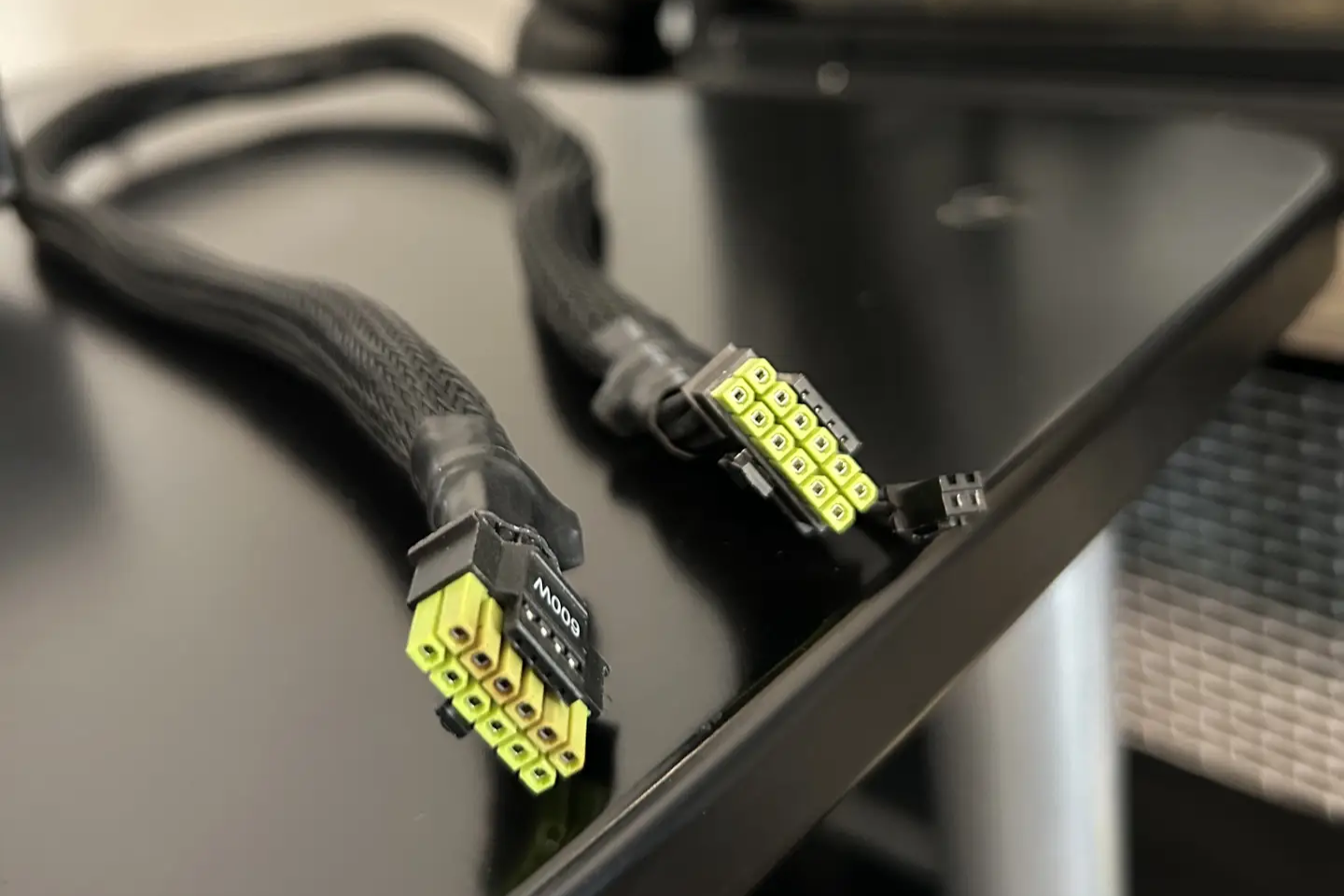
From a platform safety and product strategy angle, this is exactly the kind of risk containment behavior many enthusiasts have been asking for: real time thermal monitoring at the connector, plus a hard stop that prevents a runaway heating event. It is also a strong commercial signal for ASRock, because the cable is positioned as part of a broader ecosystem play, potentially driving demand for compatible ASRock PSUs. The important caveat is compatibility. The report notes that the ASRock 16 pin cable is only compatible with ASRock Taichi and Phantom Gaming series PSUs, so this is not a universal drop in solution for every build. ASRock also referenced the situation publicly, highlighting the PSU performance under extreme load conditions.
For gamers, creators, and benchmark chasers, this story reinforces a practical truth: protection layers can reduce the chance of catastrophic failure, but they do not make unsafe power targets “safe.” Pulling 1350 W through a consumer GPU path is well beyond typical operating design intent, and even with a temperature triggered shutdown, the long term risk of accelerated wear, connector degradation, and unpredictable instability remains high. In other words, this is a great example of prevention tech doing its job, but it should not be treated as permission to push sustained power far beyond standard limits.
At the same time, it gives the market a clearer direction: smarter cables and monitoring solutions that can intervene early may become a mainstream expectation, especially as flagship GPUs continue trending toward higher power density. If you are building a high end rig and want to manage connector risk, the most future proof approach remains boring but effective: correct seating, clean cable routing, minimal bend near the connector, and staying within sane power limits rather than trying to brute force performance via shunt mods.
Would you trust a temperature sensing 16 pin cable as a primary safety net, or do you think the industry needs stricter default power limits and connector standards to truly solve this class of failures?
