
Dan Houser Says Companies Should Preserve Physical Games After PlayStation Ends Disc Production
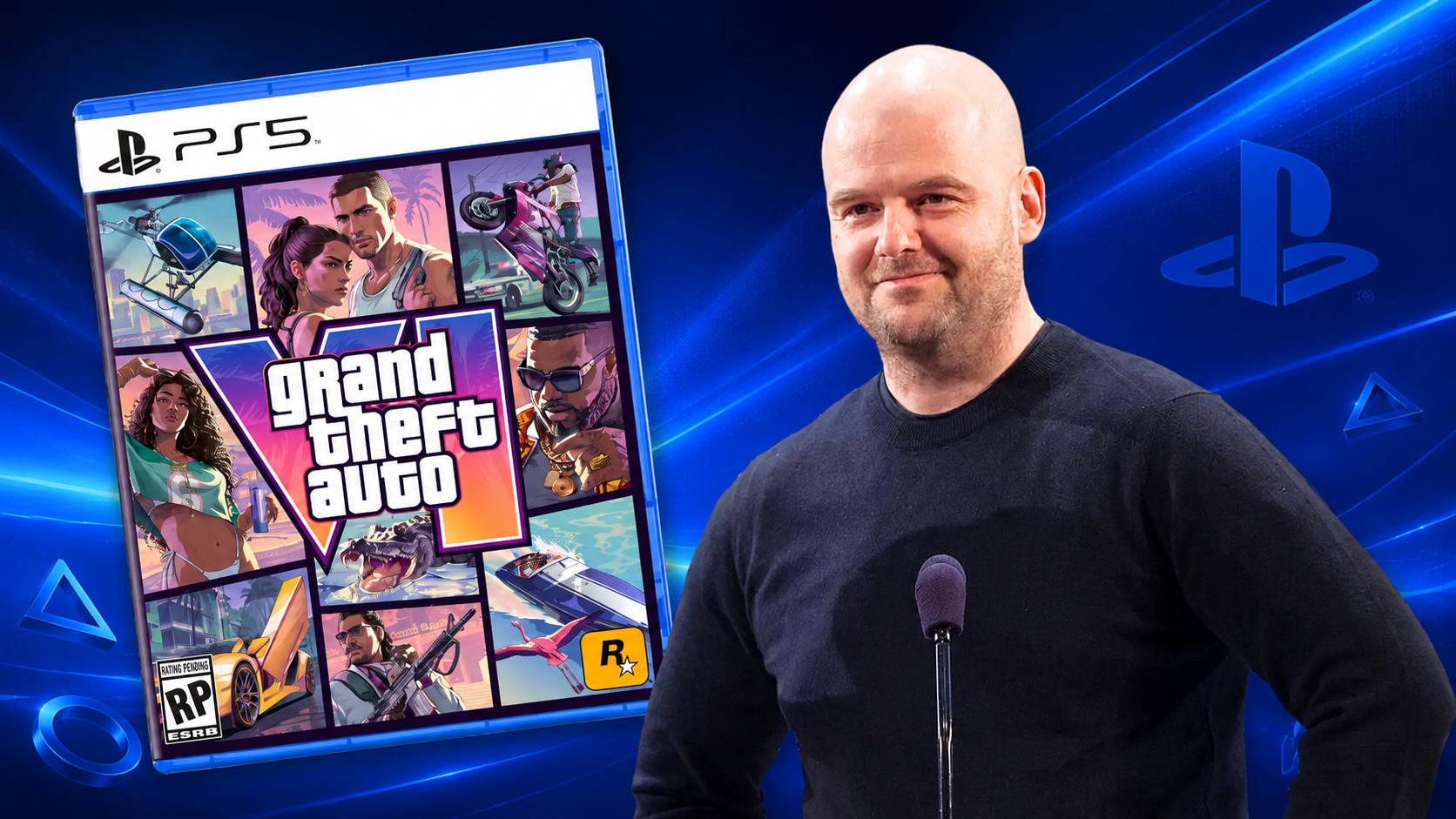
Former Rockstar Games cofounder Dan Houser has joined the growing debate surrounding Sony’s decision to discontinue physical discs for new PlayStation games beginning in January 2028. While Houser is personally comfortable with digital distribution, he believes companies should continue serving players who still value physical ownership.
Speaking alongside longtime Rockstar collaborator Lazlow Jones during an IGN interview at San Diego Comic Con 2026, Houser acknowledged that digital releases have brought important advantages to modern game development, particularly the ability to deliver updates and correct technical problems after launch. However, he argued that physical editions should remain available when sufficient consumer demand exists.
"I don't know that I care, but if people want that, I think companies should provide it. But I don't know that I personally care. And I also think the ability to update games is critical, as people love, you know, digital releases. The ability to update and fix problems in games has been really useful for the quality of games."
— Quote by: Dan Houser
Sony confirmed through its official PlayStation announcement that disc production will end for all new PlayStation releases starting in January 2028. Games released before that deadline will remain unaffected, while future titles will be sold through the PlayStation Store and retailers using digital formats.
Jones offered a more nostalgic perspective, describing the satisfaction of inserting a physical disc while also recognizing the convenience of downloading games directly to devices such as the Steam Deck.
"We all have that sort of feeling when you get that copy and you put the disc in the console. But I also have to say I really like being at the airport and going, oh cool, I can download some quick games to my Steam Deck for this 12 hour flight."
— Quote by: Lazlow Jones
The discussion reflects the wider conflict between convenience and ownership. Digital games provide immediate access, automatic updates, and reduced production costs, but physical editions support resale, lending, collecting, retail competition, and long term preservation. Similar concerns were raised by Hideo Kojima, who warned that the industry could eventually move beyond digital downloads toward cloud access where players no longer retain local game data.
Houser and Jones are currently developing several projects through Absurd Ventures. The company has confirmed that 2 open world action adventure games are in production, with one set inside the science fiction universe of A Better Paradise and the other based on the comedy focused Absurdaverse. Titles and release details have not yet been announced.
Houser’s position represents a practical compromise. Digital distribution has clearly improved access and allowed developers to repair increasingly complex games, but updates do not require the complete removal of physical media.
The challenge is economic scale. As disc demand declines, manufacturing smaller quantities becomes more expensive, potentially transforming physical games from a standard purchasing option into premium collector products. Companies may continue serving dedicated physical buyers, but players should expect limited releases and higher prices rather than the mass production model that defined previous console generations.
Should publishers continue producing limited physical editions after PlayStation ends standard disc production?
