
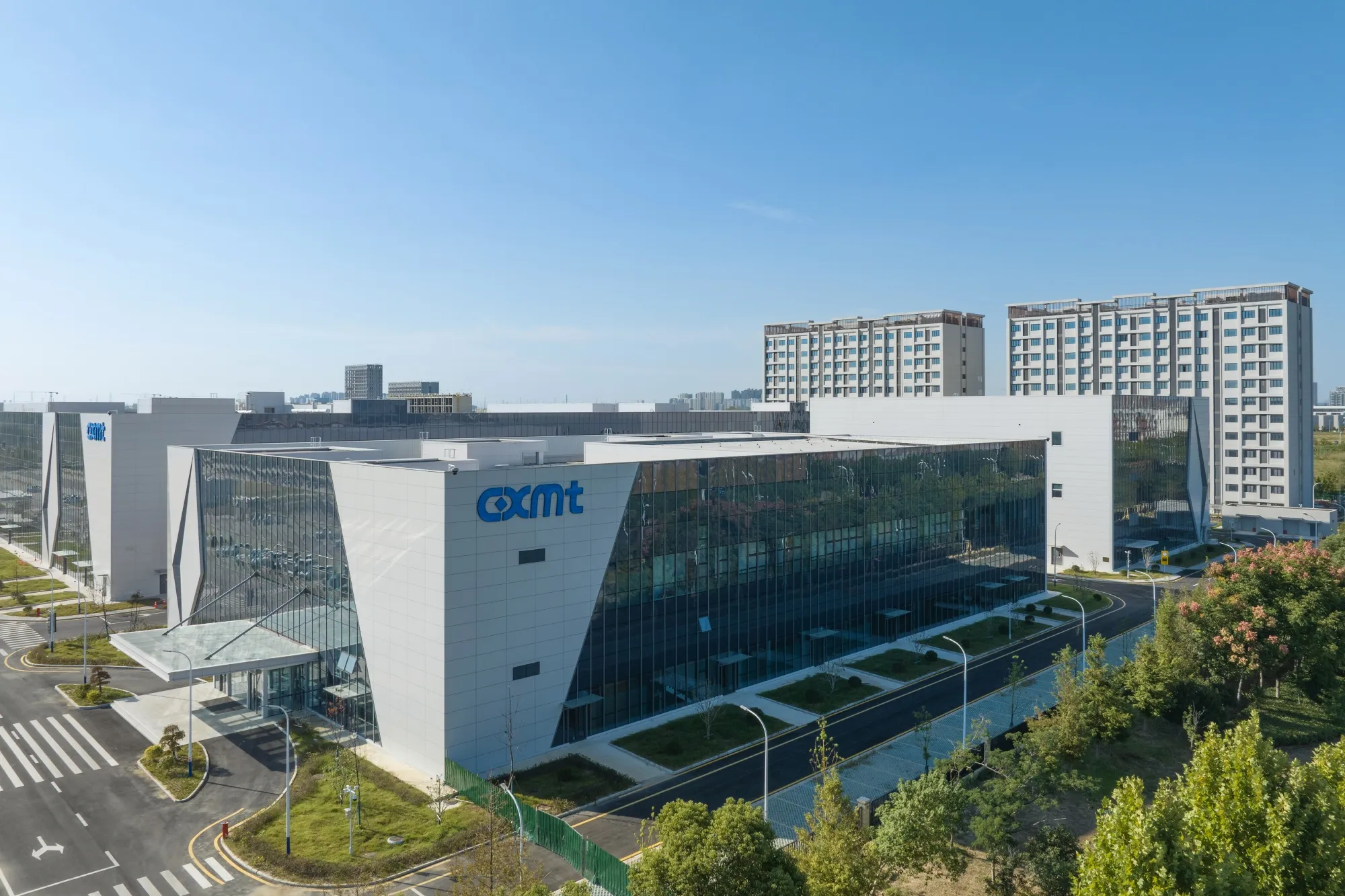
Chinese memory manufacturer ChangXin Memory Technologies (CXMT) has experienced a slight decline in its global DRAM market share during Q3 2026, falling from 10% to 9% as Samsung and SK hynix continue benefiting from rising memory prices and strong demand for artificial intelligence infrastructure. According to the latest Counterpoint Research Global Memory Tracker, Samsung maintained its leadership position with 38% of global DRAM revenue, followed by SK hynix at 29% and Micron at 21%. Despite CXMT's decline, the Chinese manufacturer remains the world's 4th largest DRAM supplier by revenue.
The results highlight an increasingly competitive memory market where revenue growth is being driven primarily by higher prices rather than significant increases in production. Counterpoint reports that global DRAM revenue increased 369% compared with the previous year, approaching $200 billion during Q3 2026, while bit shipments increased by approximately 4%. Average selling prices reached $1.90 per gigabit, reflecting substantial demand from AI accelerators, cloud infrastructure, and enterprise computing. Samsung maintained its leading position despite its market share declining slightly from 39% in Q2, while SK hynix strengthened its position through revenue growth exceeding 40% compared with the previous quarter.
Global DRAM Revenue Market Share in Q3 2026
| Manufacturer | Market Share | Position |
|---|---|---|
| Samsung Electronics | 38% | 1st |
| SK hynix | 29% | 2nd |
| Micron Technology | 21% | 3rd |
| CXMT | 9% | 4th |
| Other Manufacturers | 3% | Remaining market |
CXMT's decline is particularly notable following its rapid expansion throughout 2026. The manufacturer previously recorded revenue growth of 716% during Q2, supported by strong domestic Chinese demand and expanding DRAM production. However, its competitors are increasingly benefiting from premium memory products, particularly HBM4, which commands significantly higher prices than conventional DRAM. Counterpoint expects CXMT's revenue share to face additional pressure as Samsung and SK hynix expand HBM4 shipments during Q4. Importantly, the decline in market share does not necessarily indicate falling production volumes, as faster revenue growth among competitors can reduce a manufacturer's percentage of the overall market.
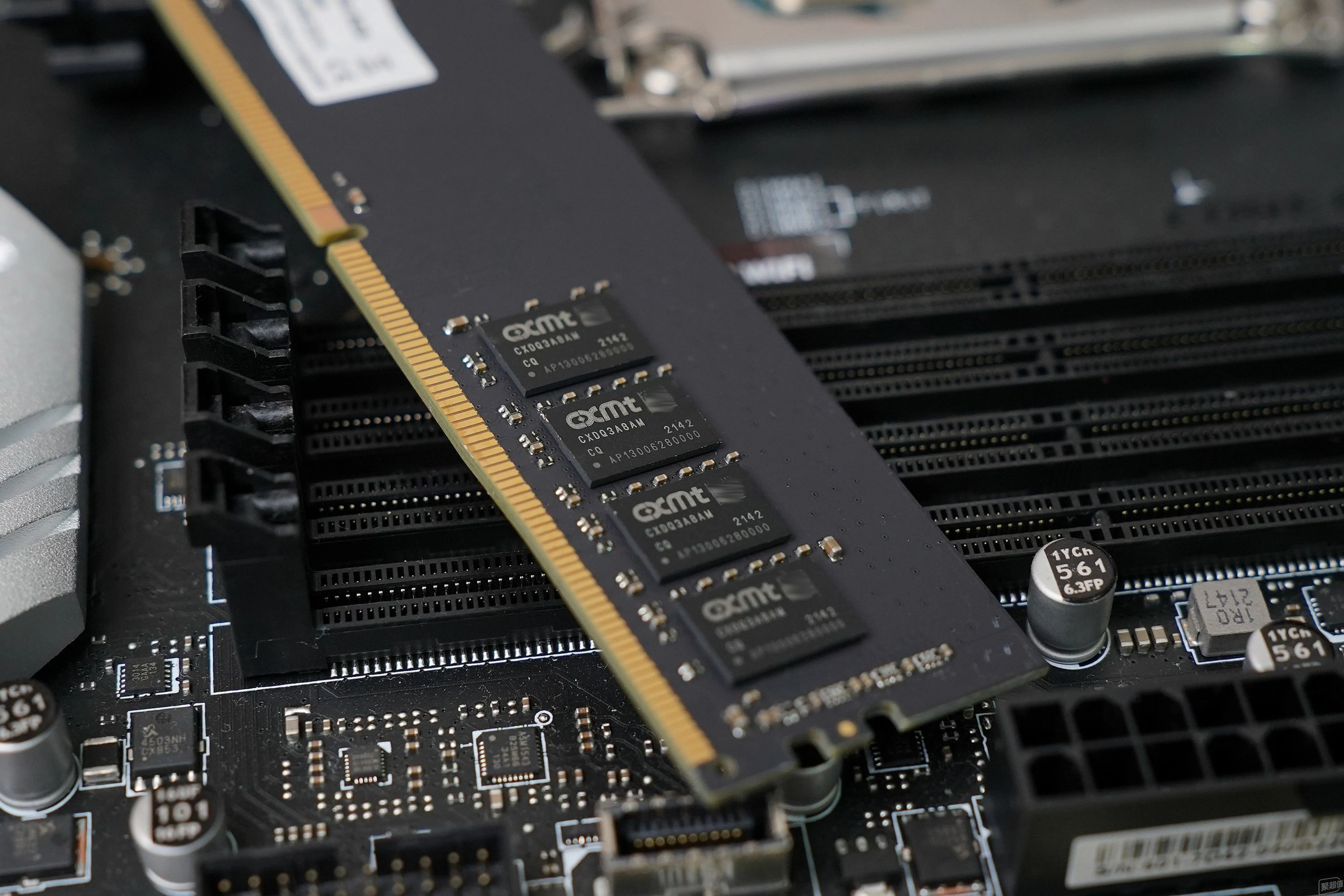
The broader market is also experiencing increasing demand for conventional DDR5 and LPDDR memory. As AI servers incorporate more powerful CPUs and larger system memory configurations, traditional DRAM is becoming just as strategically important as HBM. Counterpoint estimates that DDR revenue increased approximately 500% annually, while LPDDR revenue grew nearly 400%. These developments reinforce concerns surrounding memory shortages potentially continuing through 2030, particularly as major manufacturers prioritize higher margin enterprise customers.
Meanwhile, CXMT continues expanding its manufacturing capabilities, including the development of its 4F² DDR5 architecture and increased production capacity. However, competing directly with Samsung, SK hynix, and Micron will require improvements in manufacturing yields, advanced memory technology, and product qualification. With major new memory fabrication facilities not expected to begin production until 2028, significant supply constraints could continue affecting consumer and enterprise markets throughout 2027.
CXMT's decline from 10% to 9% represents a relatively small adjustment rather than evidence of a major setback. The more significant development is how rapidly the DRAM market is shifting toward higher value products and increasing prices, allowing established manufacturers to generate substantial revenue growth without comparable increases in memory production.
For PC gamers and hardware enthusiasts, this situation remains concerning. Despite manufacturers generating record revenue, consumer DDR5 prices and availability continue facing pressure from AI infrastructure demand. Additional competition from CXMT could eventually improve supply, but its focus on domestic customers and advanced manufacturing expansion means affordable memory is unlikely to return simply because another manufacturer increases production.
The semiconductor industry needs greater manufacturing capacity and meaningful competition, not another market cycle where record profits are accompanied by increasingly expensive hardware for consumers.
Do you believe CXMT can eventually challenge Samsung, SK hynix, and Micron, or will the growing demand for AI memory continue driving prices higher regardless of competition?
