
Comcept the Studio Behind Mighty No. 9 and ReCore Has Shut Down
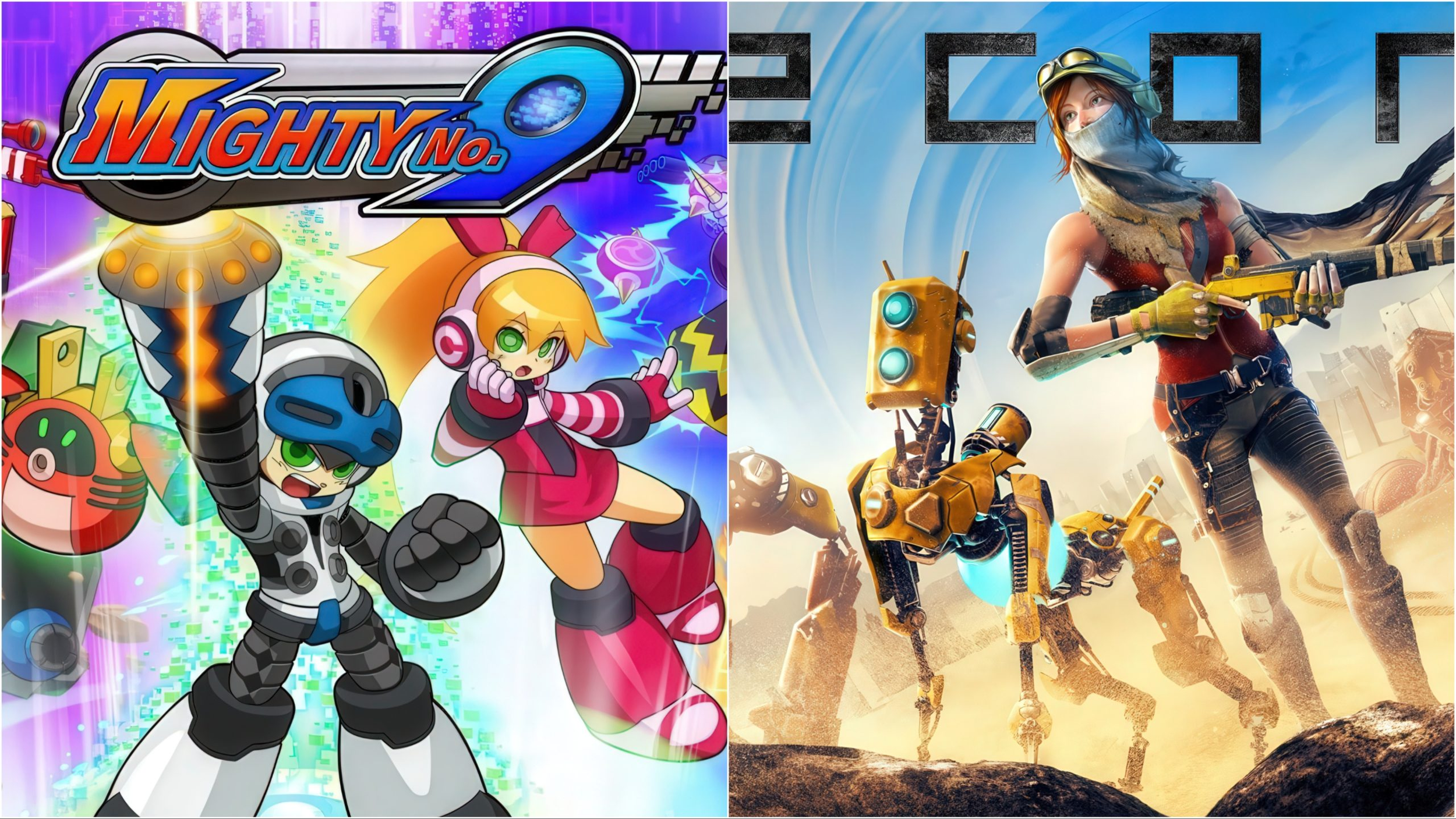
Japanese game developer Comcept has shut down, according to a report from GameBiz that cites a Notice of Dissolution published in Japan’s official gazette Kanpo. Comcept’s closure ends a studio chapter that spans high profile collaborations, a headline making crowdfunding push, and a later era as a support and co development arm under Level 5.
The studio was founded in 2010 by Keiji Inafune, a former Capcom producer credited with helping shape franchises including Mega Man, Onimusha, and Dead Rising. Early Comcept output included the smaller free to play mobile project The Island of Dr. Momo, and the studio’s first major console credit came via Yaiba: Ninja Gaiden Z, a Ninja Gaiden spin off created alongside Spark Unlimited and Team Ninja. Comcept also worked with Japan Studio on the design of the PlayStation Vita exclusive Soul Sacrifice.
Comcept’s most widely known original project was Mighty No. 9, presented by Inafune as a spiritual successor to Mega Man. The game raised 3800000 via Kickstarter and was developed with support from Inti Creates, then published in June 2016 by Deep Silver. Reception was widely negative, and even years later Mighty No. 9 remains a cautionary reference point for how high expectations, long delays, and uneven execution can permanently damage a brand narrative.
In the same year, Comcept shipped ReCore in collaboration with Armature Studio, under Microsoft Studios. It landed in a better place than Mighty No. 9, but not strongly enough to evolve into a clear sequel driven franchise pillar.
In 2017, Comcept was acquired by Level 5 and became a subsidiary, contributing to multiple projects under the parent company umbrella, including Yo kai Watch Jam: Yo kai Academy Y, Megaton Musashi, Fantasy Life i: The Girl Who Steals Time, and Inazuma Eleven: Victory Road. With the dissolution now formalized, Comcept’s assets are expected to transfer to Level 5, effectively consolidating remaining work and ownership under the parent studio structure.
For the industry, this is a reminder that reputation volatility is not just a launch week problem, it can be an existential business risk. Comcept’s arc shows how one highly visible miss can constrain future optionality, even when a studio has experienced leadership and meaningful partnerships. The consolidation into Level 5 also reflects a broader efficiency playbook across the market: simplify the org chart, centralize assets, and reduce operational overhead, even when it means closing the book on a name that once carried major expectations.
Do you see Comcept’s story as a crowdfunding lesson, a leadership and production planning lesson, or simply a case of market timing and momentum turning against a studio?
