
DeepSeek, ByteDance, Alibaba and Tencent Among the First to Receive New China Compliant NVIDIA H200 AI Chips
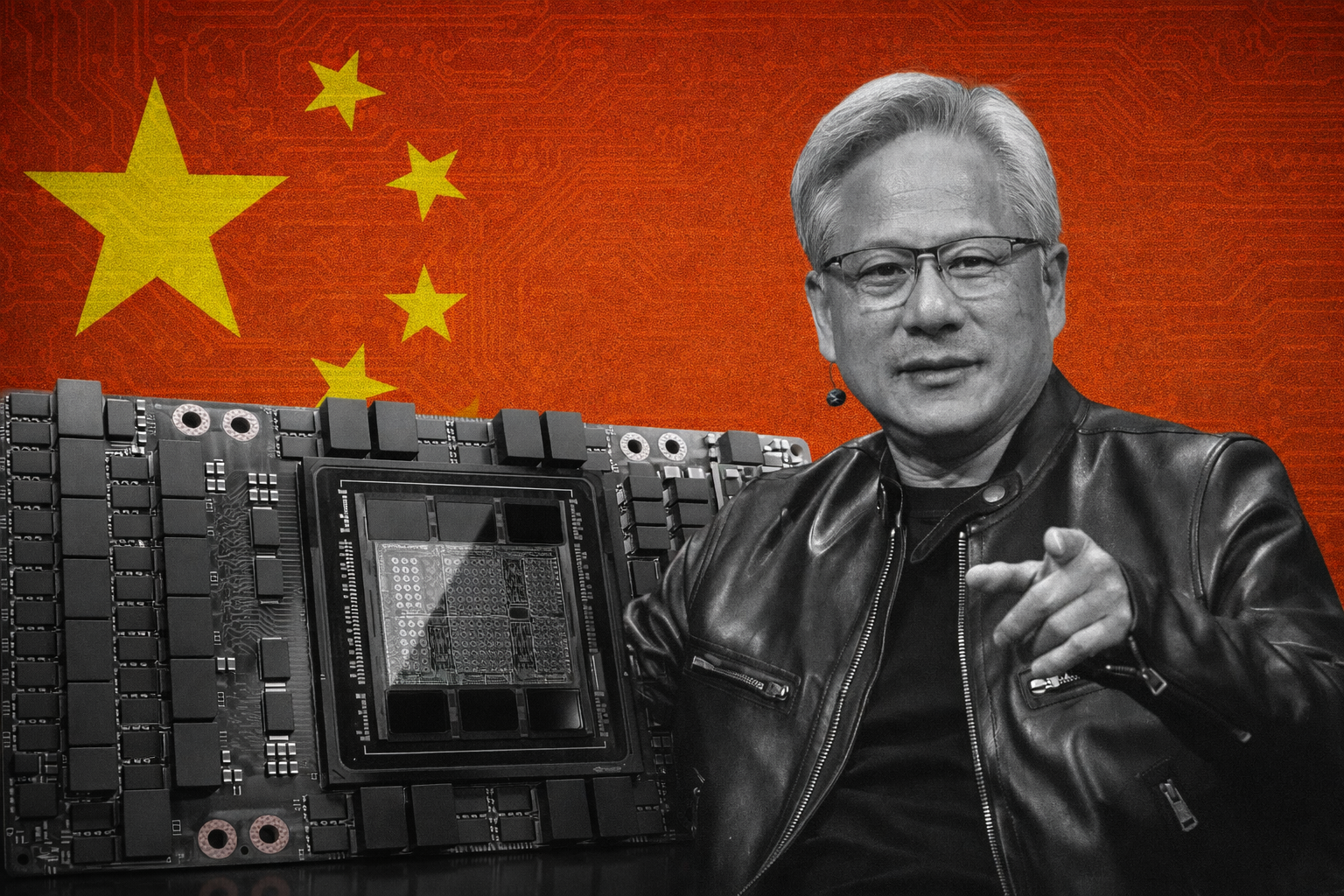
NVIDIA is pushing aggressively to re establish traction in China’s AI accelerator market, and a new Reuters report indicates that the next clear step could be conditional approvals that allow major Chinese tech players to purchase the company’s NVIDIA H200 chips.
Per Reuters, China has conditionally approved DeepSeek to buy H200 chips, with similar permissions also applying to ByteDance, Alibaba, and Tencent, and the combined approvals are described as exceeding 400000 chips. This is a meaningful inflection because it suggests the bottleneck is no longer purely the export side but also the import and compliance framework inside China, with specific conditions still being finalized before these approvals translate into real shipment flow and purchase execution.
That conditional language matters for the channel. Reuters notes that final terms are expected to be overseen by China’s National Development and Reform Commission, and the details were not confirmed publicly at the time of reporting. From a market mechanics standpoint, that means access to H200 is not simply a yes or no decision. It is a structured allocation with guardrails, and those guardrails could influence who gets priority, how deployments are tracked, and what workloads or use cases receive more scrutiny.
On NVIDIA’s side, this also aligns with recent public commentary from Jensen Huang that licensing for H200 into China was still being finalized, and that NVIDIA had not yet received official notification that approvals had fully cleared into executable business. In other words, the narrative is shifting toward progress, but the operational reality still hinges on converting conditional permissions into finalized licenses, board partner allocation, and actual deliveries.
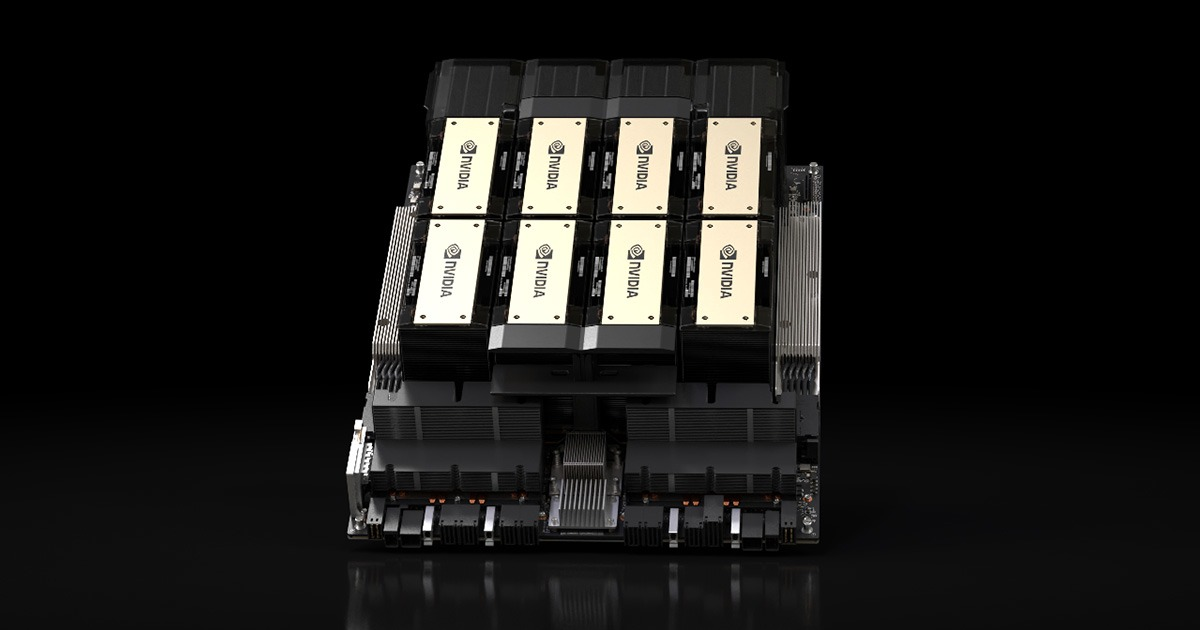
For the broader AI ecosystem in China, the near term impact is straightforward: hyperscalers and frontier model teams are still hungry for reliable high density compute, and even if H200 is not the newest generation, its software stack maturity and deployment familiarity remain compelling when time to scale matters more than theoretical peak specs. The bigger question is what the conditions ultimately look like and whether they create friction that changes effective demand, not just headline demand. If the guardrails are light, this becomes a fast re acceleration moment for Hopper era infrastructure. If the guardrails are heavy, it may still unlock supply but with constraints that push some buyers to diversify into domestic alternatives where possible.
Do you think this ends with NVIDIA regaining meaningful China share, or do you expect the conditions and compliance layers to cap H200 deployments and accelerate long term adoption of domestic accelerators?
