
Modder Builds Noctua Fan “SuperDome” and Cuts CPU Temperatures by 20°C
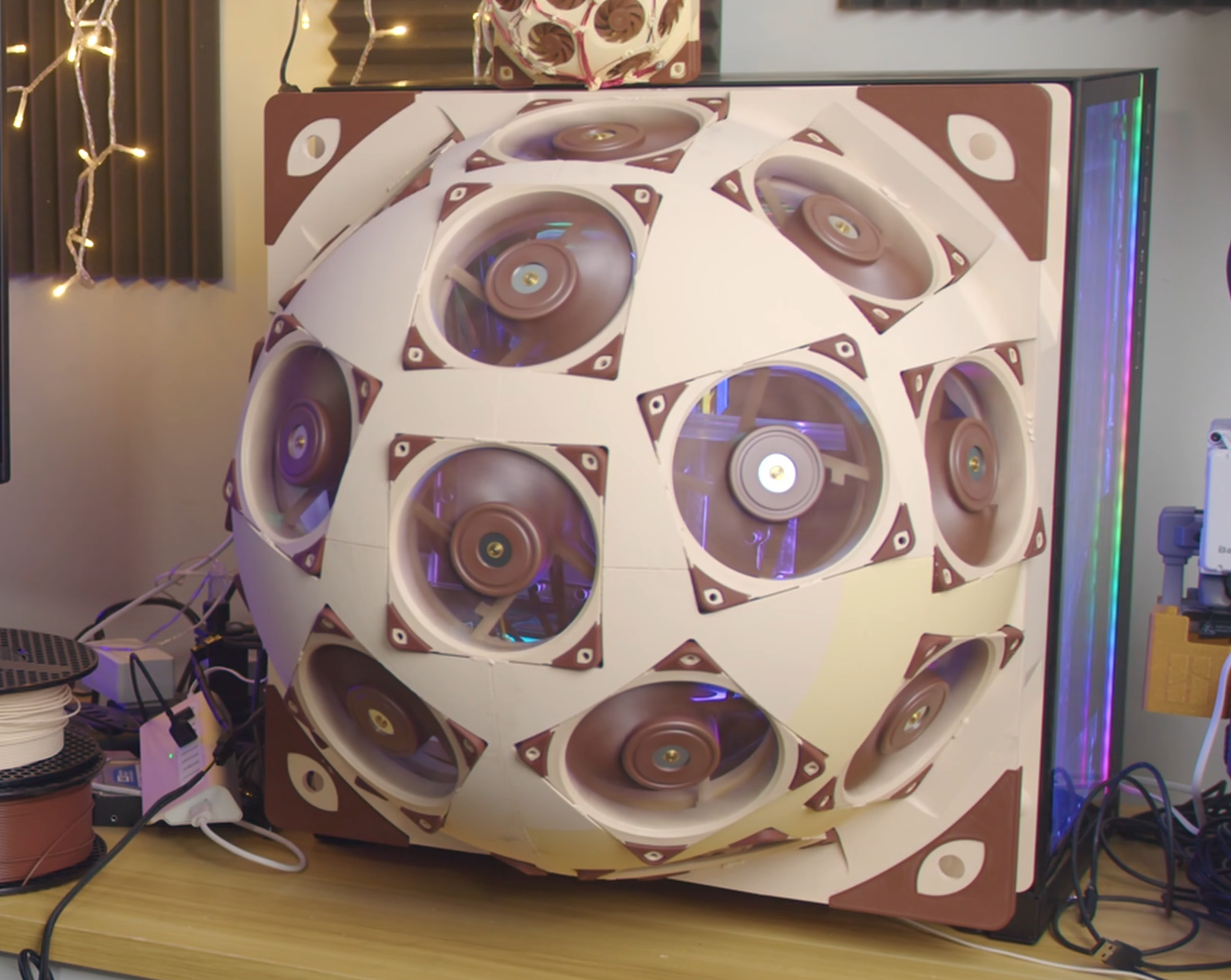
PC cooling experiments usually stay within a familiar lane. Builders swap in a better air cooler, step up to a larger AIO, or go all in on a custom loop. This time, YouTuber Major Hardware took a far more creative route by building a giant dome shaped side panel filled with 15 Noctua NF A12x25 fans, turning a normal case panel into a massive intake wall designed to flood the system with airflow. The result was not just visually absurd in the best possible enthusiast way, it was also surprisingly effective. In testing, the mod dropped CPU temperatures on an AMD Ryzen 9 5950X from roughly 86°C to 87°C down to around 66°C to 67°C, a reduction of about 20°C.
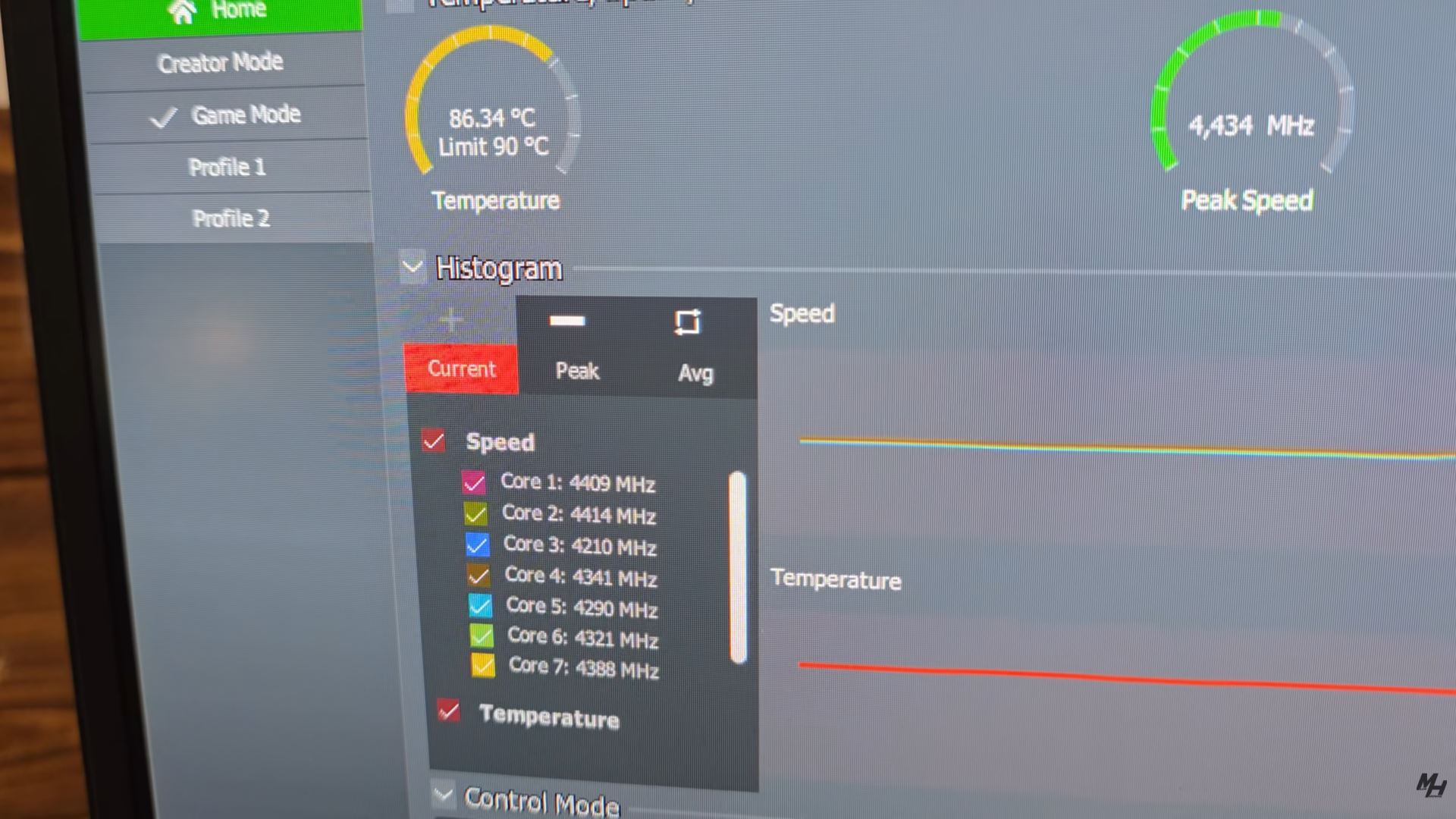
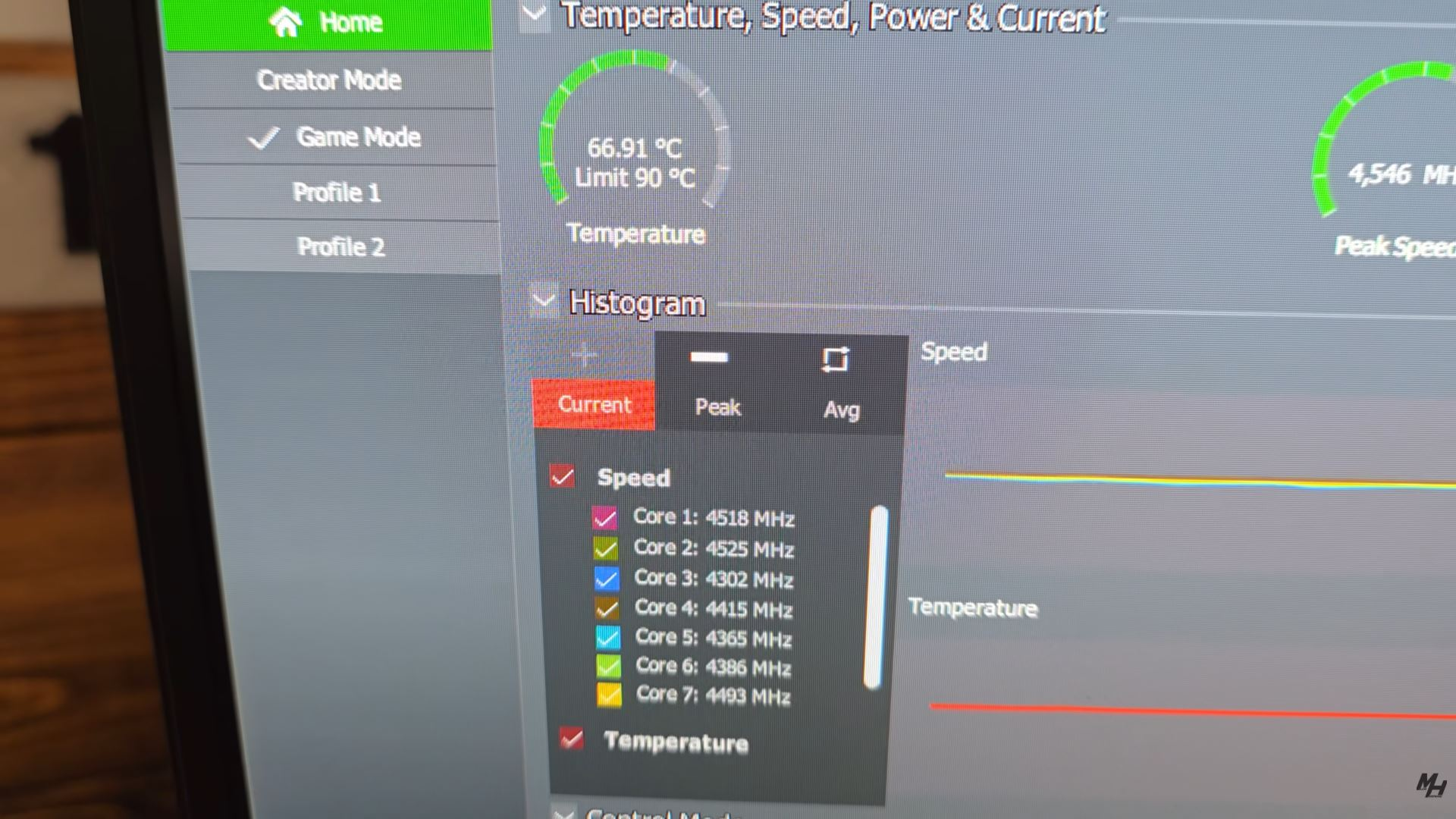
What makes the result even more impressive is that this was not a weak baseline system. The Ryzen 9 5950X test rig was already running with a custom liquid cooling loop, which means the “SuperDome” was not rescuing a poorly cooled build. It was improving an already serious setup. That is why the temperature drop stands out so much. Normally, once a custom loop is already in place, finding another 20°C of improvement is not the kind of gain people expect from a side panel experiment.
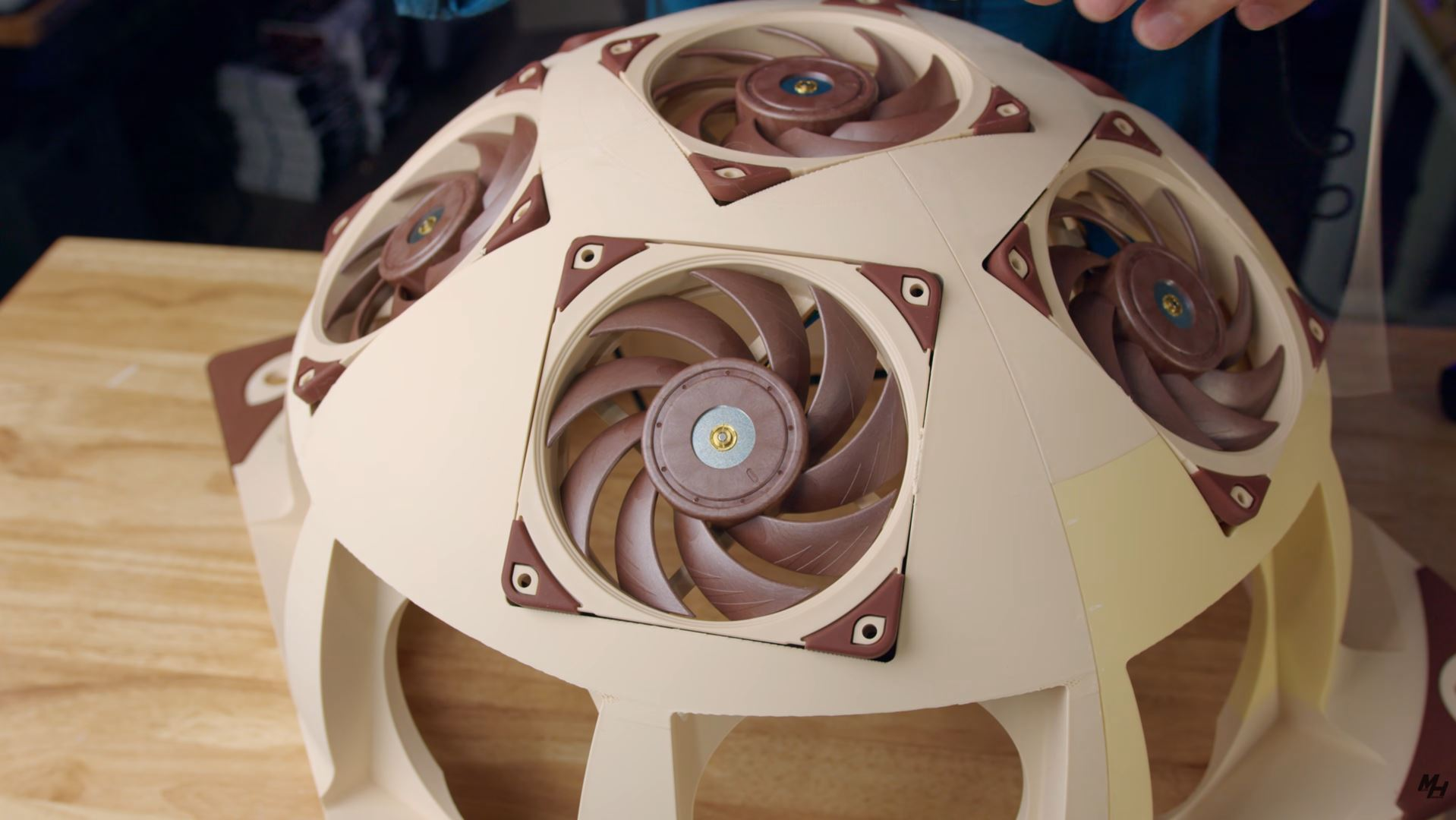
The build itself is exactly the kind of enthusiast project that feels ridiculous until the numbers show up. Major Hardware designed a large 3D printed dome that could mount all 15 fans in a carefully planned structure. According to coverage of the project, the arrangement used one fan at the top, five around it, and nine more forming the lower section closer to the case, all built around the idea of pushing a huge volume of air directly into the system. Noctua reportedly supplied the fans for the experiment, which matters because replicating this setup at retail pricing would be extremely expensive. At about $34.90 per fan, the total would come out to more than $500 before even counting the printed structure and other parts.
Power draw also stayed more reasonable than many would expect from such a large fan wall. Reports on the build say the full setup consumed around 27.6 watts in its quieter operating mode, which is notable because it kept the project from becoming an absurd power hungry novelty. Just as important, the noise level remained low enough that the build did not turn into a jet engine. According to the reported test impressions, the entire assembly sounded more like a single fan than like 15 individual fans roaring at once, which is exactly where Noctua’s reputation for low noise operation helped the concept make sense.
That low noise behavior is part of why this project feels more interesting than a simple stunt. Major Hardware apparently did not even need to push the SuperDome into an aggressive performance mode to get the headline result. The quieter setting was already enough to shave off around 20°C, and going faster would likely have reduced temperatures further at the cost of more noticeable noise. In other words, the experiment did not just prove that extreme airflow can work. It showed that with the right fan choice and layout, unusual cooling concepts can still stay practical enough to be genuinely compelling.
From a hardware enthusiast perspective, this is the kind of project that lands right between engineering curiosity and pure PC builder chaos. It is obviously not a mainstream solution, and most users are not about to replace their tempered glass side panel with a giant bulbous intake dome. But that is also what makes it fun. The experiment highlights just how much thermal headroom can still be unlocked when airflow is treated as the primary weapon rather than as a supporting afterthought. It also reinforces a broader truth in enthusiast PC building: strange ideas are not automatically bad ideas, especially when they are backed by careful design and real testing.
Would you ever try a cooling mod this extreme on your own build, or is this the kind of genius that should stay safely in someone else’s workshop?
