
China’s Top DRAM Maker CXMT Reportedly Shifts 20% of Output Toward HBM3, Signaling a Bigger AI First Pivot and Less Relief for Gamer Memory Pricing
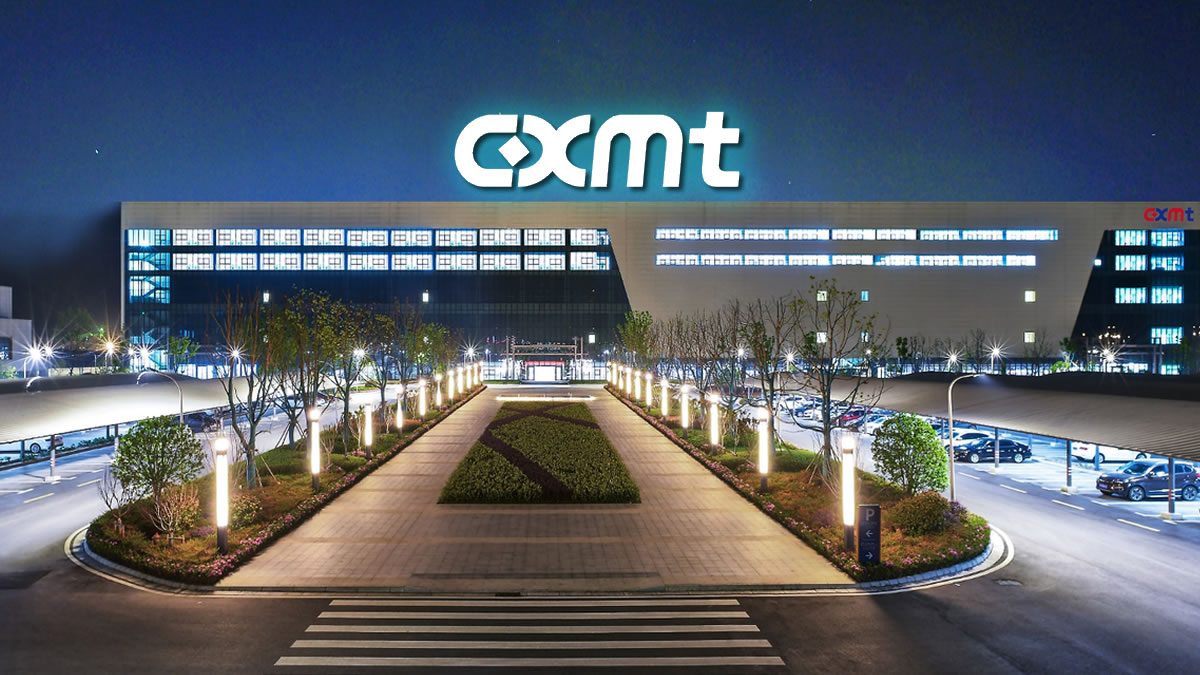
China’s largest memory manufacturer ChangXin Memory Technologies, commonly known as CXMT, is reportedly preparing a major capacity shift that could reshape expectations for both AI supply chains and consumer DRAM pricing. According to a new report from MK, CXMT plans to expand its DRAM wafer capacity to 300000 wafers per month in 2026, with roughly 20% of that total, about 60000 wafers, allocated to HBM3 production.
That headline number matters because it reframes the popular narrative that Chinese DRAM output will automatically translate into cheaper memory for gamers and mainstream PC buyers. If a large slice of CXMT’s growth is redirected toward high bandwidth memory, the incremental supply that might have pushed down DDR pricing could instead be absorbed by AI demand, where margins are richer and strategic urgency is higher.
HBM is one of the most critical components in the modern AI stack, and demand is being pulled forward aggressively across accelerators, AI servers, and domestic ecosystem builds. The MK report positions CXMT’s HBM3 push as a deliberate move to capitalize on the AI boom, especially as China continues to prioritize local supply resilience. In practical terms, HBM is not just another product line, it is a gatekeeper technology that can determine how fast AI hardware programs scale.

From a technology execution standpoint, the challenge is that HBM3 is not simply about making DRAM dies. It is also about stacking, packaging, interconnect, yield management, and consistency at scale. CXMT’s HBM3 is not yet described as mainstream or broadly available, and the most critical unknown remains yield. If yield is low, the effective cost per good stack rises quickly, which limits how disruptive pricing can be and slows ramp speed even if wafer allocation increases.
For PC gamers and DIY builders hoping Chinese suppliers would create a wave of budget friendly memory, this is the key strategic tension. Every wafer that goes into HBM is a wafer not going into conventional DRAM products that feed desktops, laptops, and entry to midrange upgrades. Even if CXMT continues courting global PC OEMs, a successful HBM ramp could pull additional internal focus, capital, and production planning toward AI contracts.
In other words, the market may not see the consumer pricing relief people are projecting, at least not at the scale or speed they want, because AI demand is structurally designed to outbid consumer segments.
CXMT is reportedly also in discussions with global PC manufacturers, with current engagement described as being at the validation stage. If those talks progress, CXMT could become a meaningful alternative DRAM supplier for certain systems. But if HBM3 becomes the company’s near term breakthrough, the allocation story suggests consumer DRAM may become the secondary priority rather than the main event.
If CXMT successfully ramps HBM3, do you think the industry will accept higher consumer memory pricing as the new normal, or will gamers force a correction through demand drop and slower upgrade cycles?
