
Call of Duty: Black Ops 7 Replacers Ad Banned in the UK After ASA Rules It Trivialized Sexual Violence
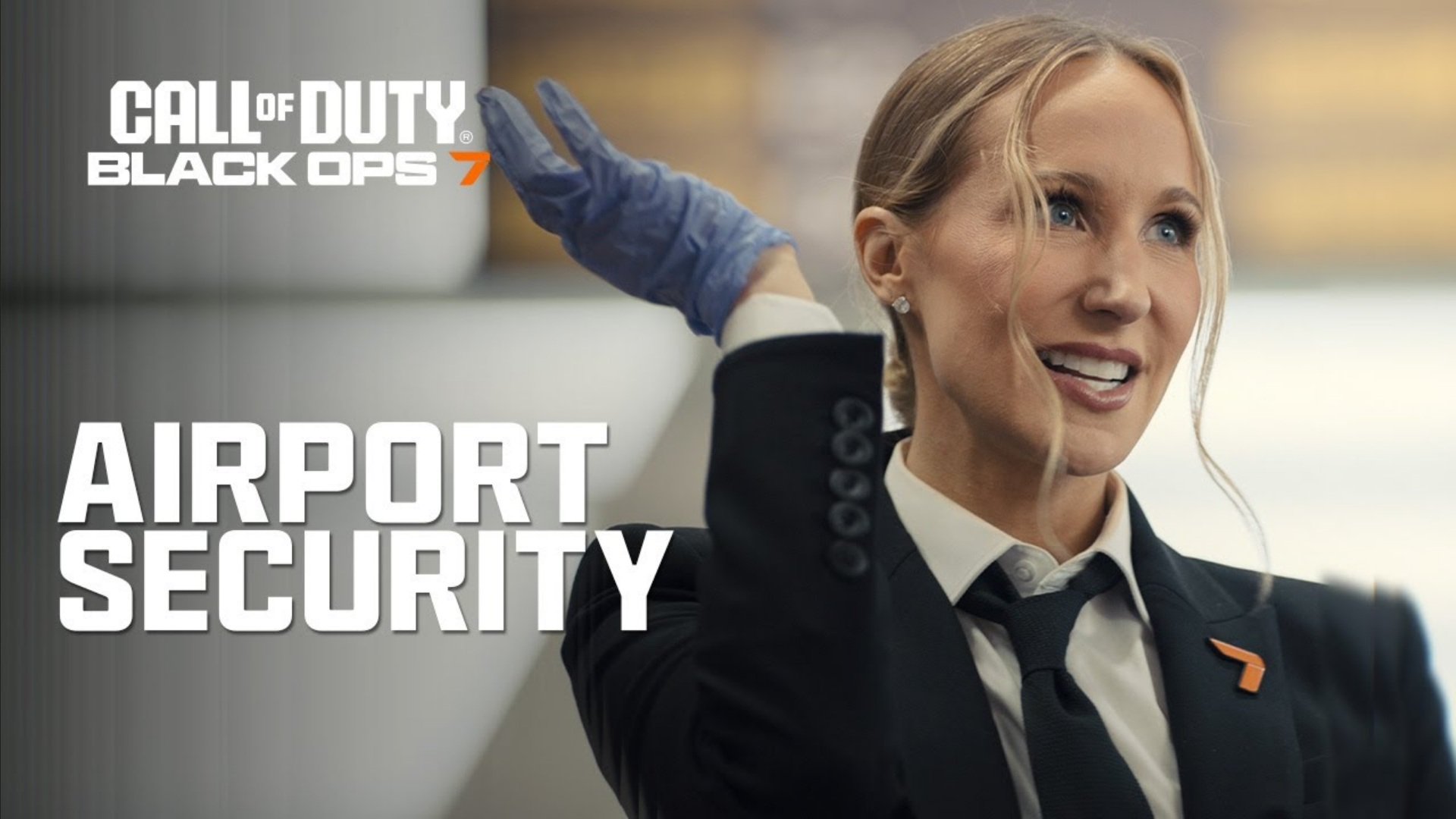
A Call of Duty: Black Ops 7 advertisement has been banned in the United Kingdom after the Advertising Standards Authority ruled it was irresponsible and offensive, concluding the humor relied on humiliation and an implied threat of painful, non consensual penetration. The decision targets a specific commercial from the Black Ops 7 Replacers campaign, a series that brought recognizable faces into exaggerated scenarios to sell the fantasy of skipping real life obligations because you are locked into the latest Call of Duty grind.
As reported by the BBC in its coverage of the ruling, the banned ad was broadcast ahead of the game’s November 2025 launch on Channel 5 and ITV, and the regulator received at least 9 complaints that it trivialized sexual violence.
The ad itself is framed as a parody where Nikki Glaser and Peter Stormare play replacement airport security officers, stepping in because the real staff are too absorbed in Call of Duty: Black Ops 7 to show up for work. A male traveler approaches for screening and the tone shifts from absurd to invasive. Glaser appears to steal his watch, Stormare tells him he has been randomly selected to be manhandled, and the situation escalates into a sequence of dialogue that strongly implies sexual assault through forced humiliation and threats of penetration.
Activision Blizzard defended the commercial by stating it had been reviewed by Clearcast before airing, that it was not placed around programming likely to appeal to audiences under 16, and that the scene was deliberately implausible and parodic. The company argued the humor was driven by the man’s discomfort and that the ad did not sexualize the search, also emphasizing that the search is not shown and there is no explicit imagery.
The ASA rejected that interpretation, acknowledging the lack of explicit visuals but still concluding the punchline was rooted in humiliation and an implied threat of painful, non consensual penetration. In practical terms, that means the ad cannot run again in the UK in its current form. With Black Ops 7 already out for months, Activision may simply sunset this specific piece of the campaign for broadcast and leave it as a YouTube artifact, but the reputational impact remains because the ruling cements a regulatory verdict that the creative crossed a line.
From a brand strategy perspective, this is a textbook example of a campaign trying to chase shock humor and landing in a high risk zone that modern audiences and regulators are far less willing to tolerate, especially when the joke leans on sexual violence. Even if the intent was parody, execution matters, and this one created a perception gap so large that it triggered formal complaints, an ASA ban, and a broader conversation about what Call of Duty marketing is actually optimizing for.
It is also a moment that raises uncomfortable questions about targeting and messaging in an annualized shooter franchise. When your product already competes in a hyper saturated market, every marketing beat should be driving conversion, trust, and community momentum. If the loudest takeaway becomes what the joke implied rather than why the game is worth playing, the campaign has negative ROI in perception, even before the regulator steps in.
Do you think the ASA made the right call here, or do you see this as parody that was misread, and what kind of marketing do you want to see from Call of Duty going forward?
