
NZXT Expands With H2 Flow Mini ITX Case, C850 SFX PSU, and H2 Mini PC Configurations Featuring GeForce RTX 5080
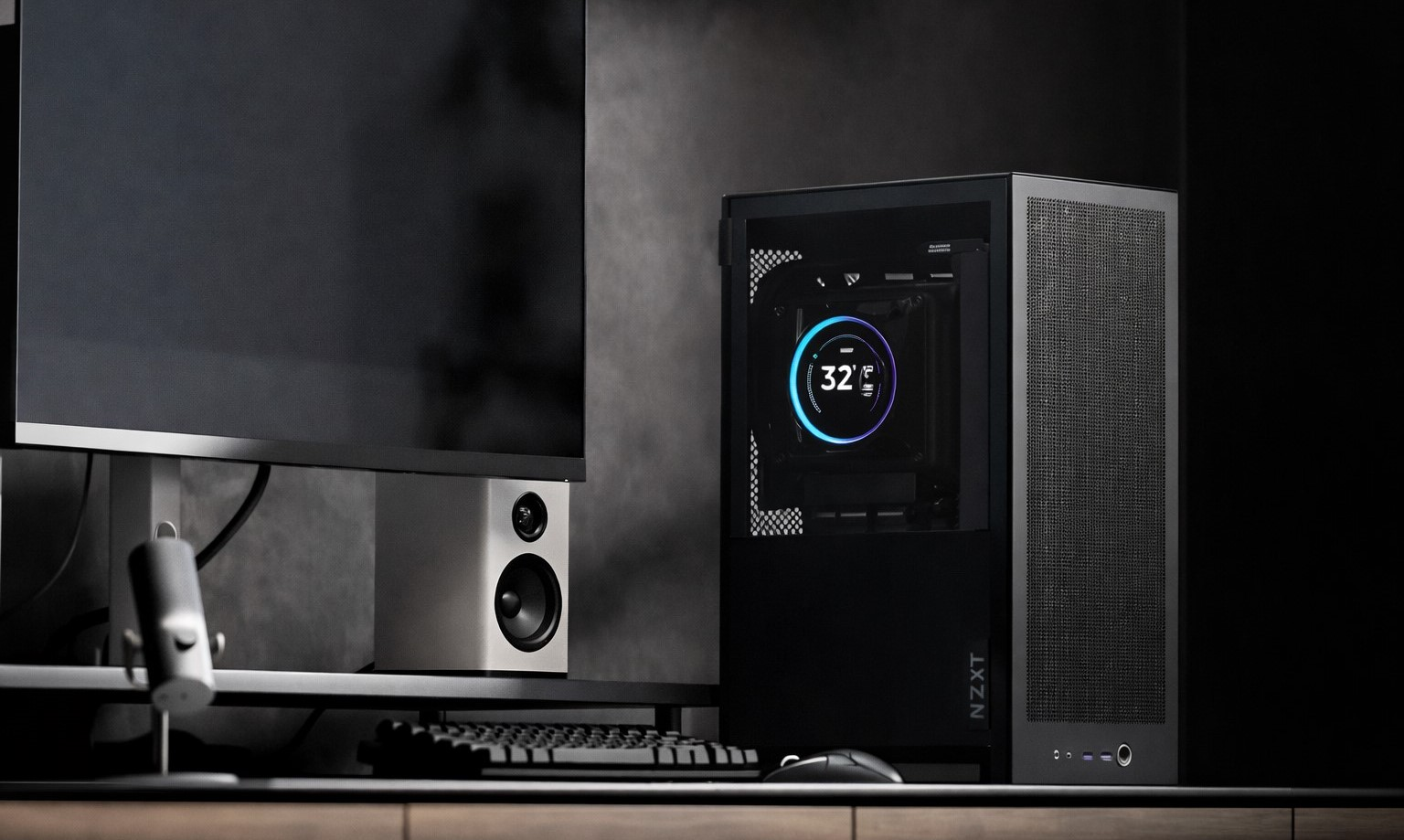
NZXT is scaling up its compact performance strategy with a full H2 ecosystem rollout that targets 2 audiences at once. builders who want a tight footprint Mini ITX rig without compromising on modern GPU support, and buyers who would rather go straight to a turnkey machine with high end silicon already installed. The lineup includes the H2 Flow Mini ITX case, the C850 SFX power supply, and the H2 Mini PC offered in both AMD and Intel configurations, all designed to work together as a cohesive compact platform.
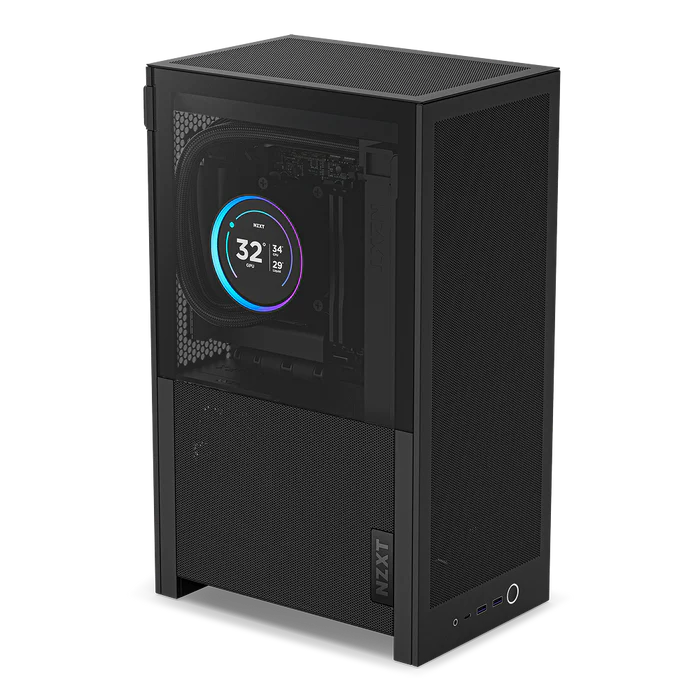
The new H2 Flow is positioned as a vertical Mini ITX chassis that keeps desk space minimal while still accommodating full size components. NZXT says the case supports up to a 280 mm radiator and can fit GPUs up to 331 mm long, which puts current generation NVIDIA and AMD cards firmly on the menu. For airflow, the H2 Flow uses multiple mesh panels to keep intake and exhaust behavior efficient, and it includes a small transparent side panel to showcase the build without sacrificing the overall airflow first design. NZXT is also leaning into practical assembly improvements, highlighting flexible internal space usage and a functional cable management approach aimed at reducing the usual friction points of small form factor builds.
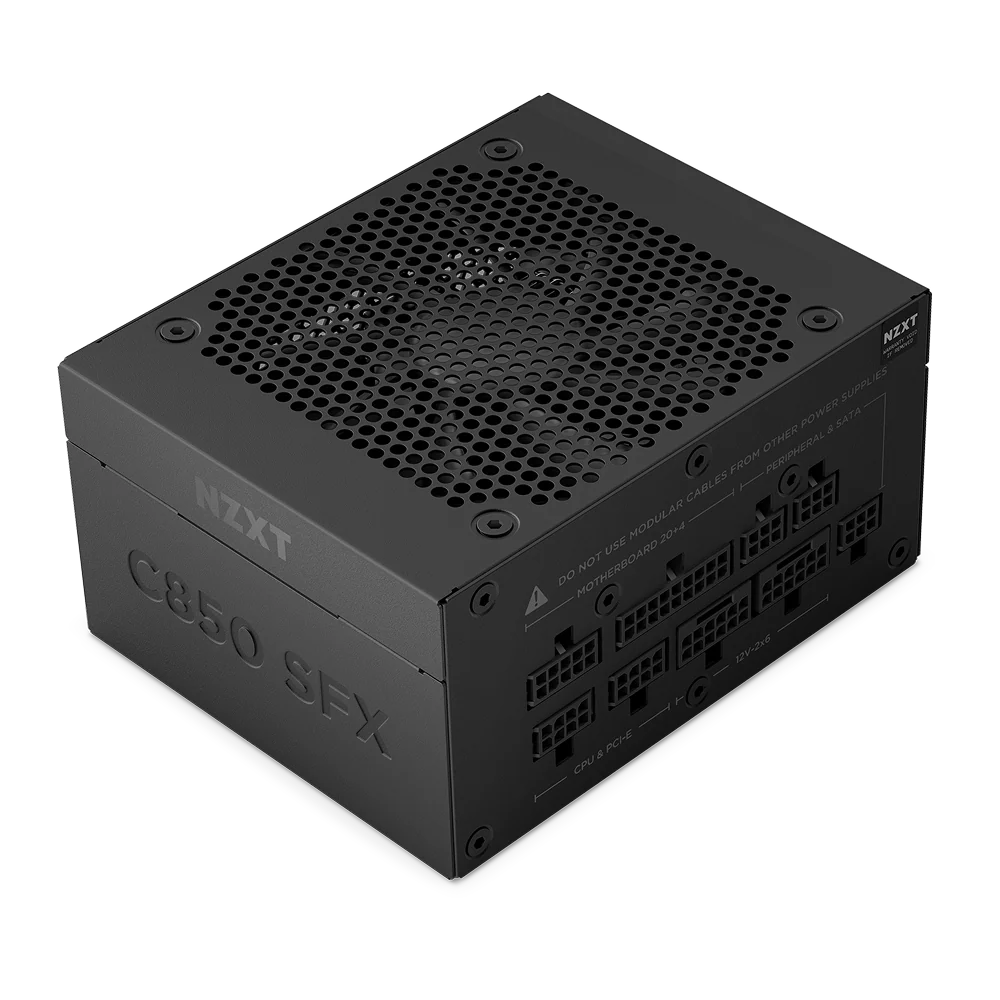
Alongside the chassis, NZXT launched the C850 SFX power supply to match the compact build theme while staying current on GPU power standards. NZXT notes ATX 3.1 compliance intended to support the latest RTX 50 series GPUs, with 80 Plus Gold certification and Cybenetics Platinum efficiency ratings to reduce heat output under load. The unit is fully modular and uses a silent cooling dynamic bearing fan, which is a key quality of life point for compact systems where acoustics can quickly become the deciding factor between premium and painful.
The headline product for gamers and creators is the H2 Mini PC, which integrates both the H2 Flow case and the C850 SFX PSU into a ready to ship configuration. NZXT is offering 2 CPU lanes paired with the same GPU tier. The Intel edition uses the Core Ultra 9 285K 24 core processor with a GeForce RTX 5080, pitched as a strong fit for users who value higher core counts for heavier productivity workloads. The AMD edition pairs a Ryzen 7 9800X3D with a GeForce RTX 5080, which is an obvious signal that NZXT is aiming directly at high frame rate gaming audiences that prioritize cache driven performance.
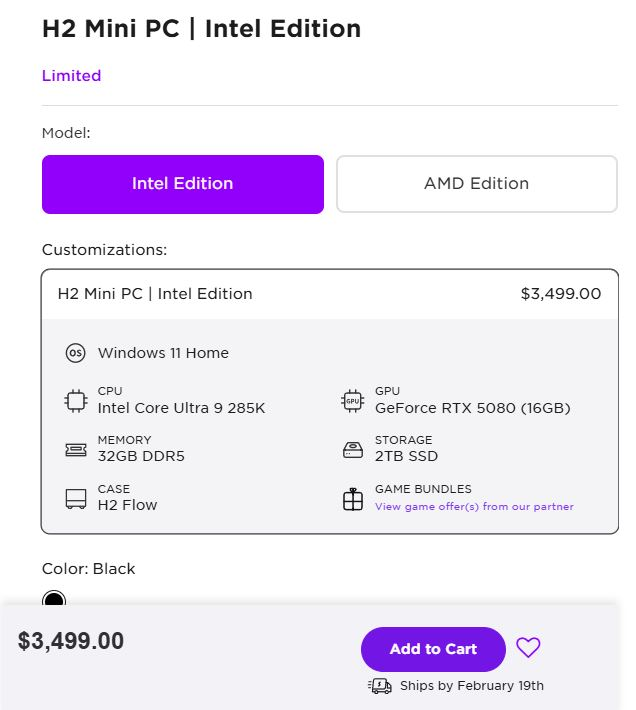
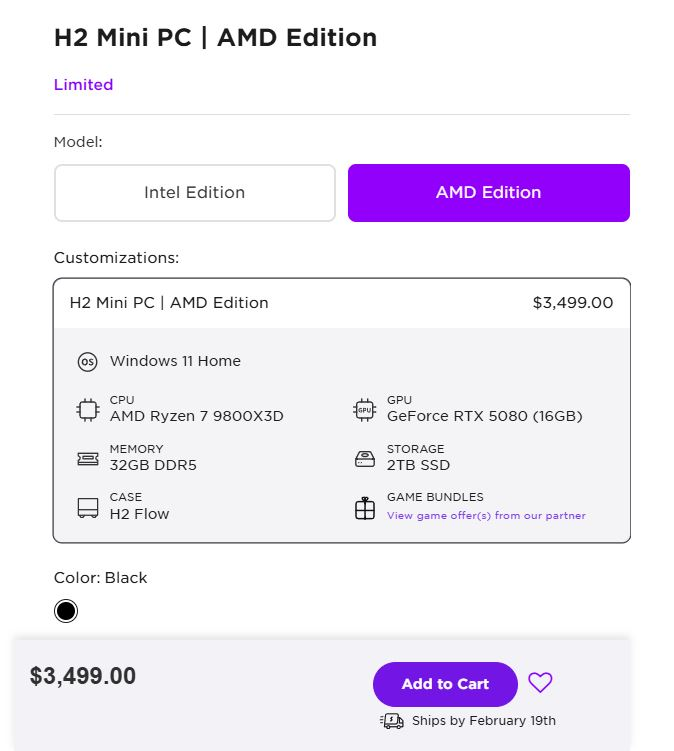
Across both editions, NZXT lists a 32 GB DDR5 4800 MT/s memory kit and a 2 TB NVMe SSD, and cooling is handled by a Kraken Elite 240 AIO. NZXT markets the system for ultra settings gameplay at 1080p, which suggests the product is targeting high refresh competitive gaming profiles and smooth frame pacing rather than simply chasing maximum resolution. Pricing lands at 3499$ for either edition on the NZXT Store. Buyers who want only the components can pick up the H2 Flow case for 149$ and the C850 SFX PSU for 199$..
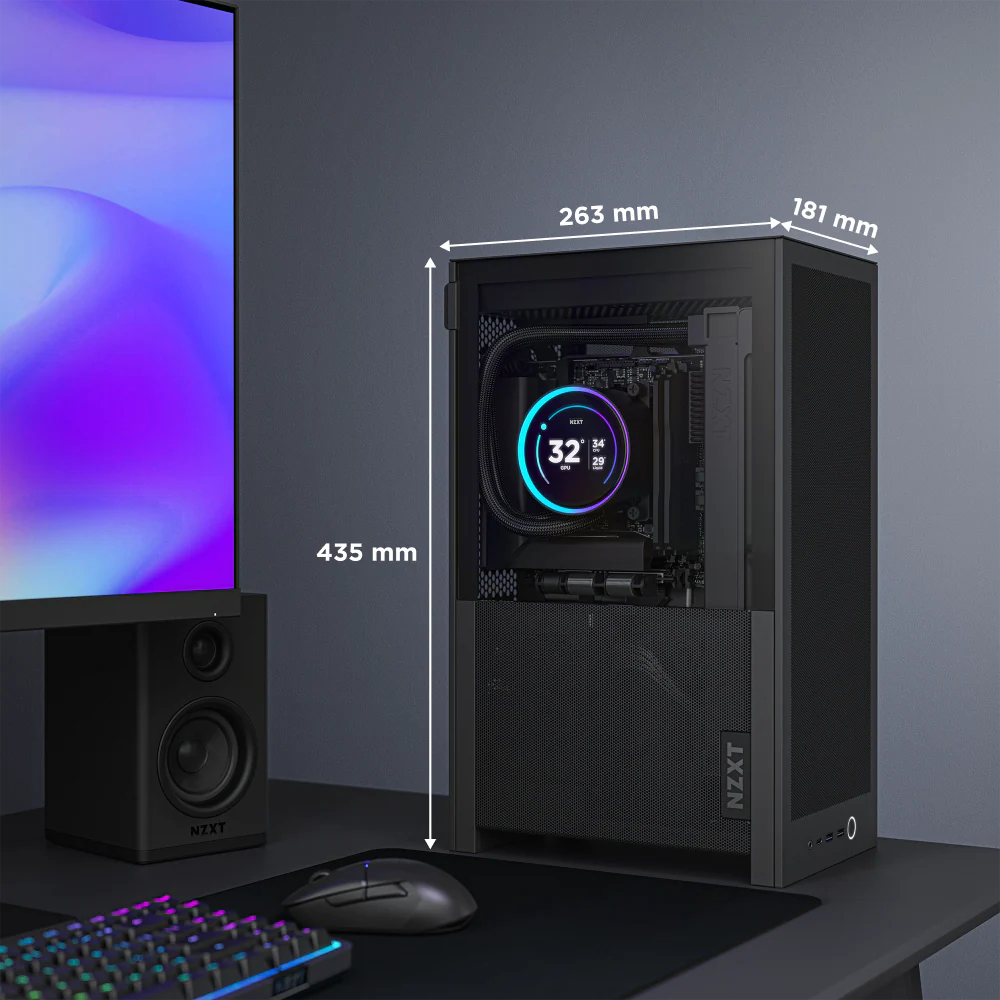
Validation wise, compact systems at this performance tier live or die by thermals, noise curves, and sustained boost behavior. The spec sheet looks stacked, but the real decision point will be how the H2 Flow airflow path, the Kraken Elite 240 AIO, and the SFX power delivery hold up during long gaming sessions, shader heavy titles, and mixed workloads like streaming plus capture. For buyers, the smartest checklist is sustained clocks, GPU hotspot temps, fan ramp behavior, and whether the memory configuration is tuned for the platform rather than simply installed.
If you were picking a compact RTX 5080 build today, would you go AMD Ryzen 7 9800X3D for max gaming efficiency or Intel Core Ultra 9 285K for broader creator workloads, and
