
Call of Duty and Battlefield Take Their Rivalry to the Box Office
The long running rivalry between Call of Duty and Battlefield is no longer limited to consoles, PCs, multiplayer lobbies, and annual shooter debates. With a Call of Duty movie already in development, EA now appears ready to bring Battlefield into the film world as well, setting up a new front for one of gaming’s most recognizable franchise battles.
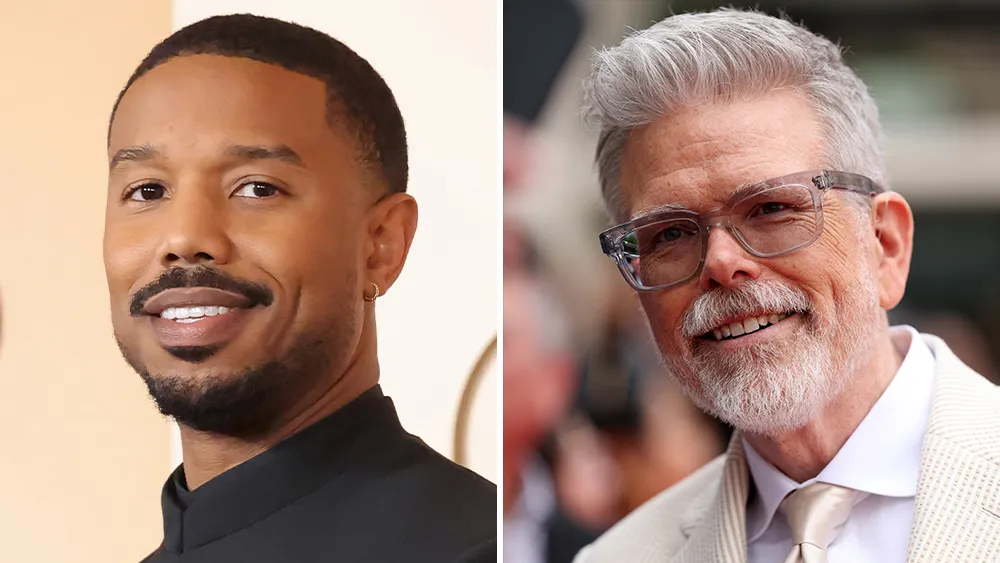
According to a report from The Hollywood Reporter, a Battlefield movie is now in development, with Christopher McQuarrie attached to write and direct. Michael B. Jordan is reportedly set to produce the film and may also star, giving the project immediate Hollywood weight before a studio or streamer has officially secured it.
This is a major move for EA and Battlefield. The franchise has always been known for large scale warfare, cinematic destruction, squad based combat, vehicles, and massive set pieces. On paper, those elements seem ready made for a theatrical action film. However, turning Battlefield into a compelling movie will require more than explosions, military hardware, and collapsing buildings. The franchise’s identity has traditionally been built around multiplayer spectacle rather than a single iconic protagonist or storyline, which means the creative team will need to define what a Battlefield film actually means outside of gameplay.
The timing is also impossible to ignore. The Call of Duty film, led by Taylor Sheridan and Pete Berg, is currently scheduled for June 30, 2028, and appears positioned to strike first at the box office. That movie is being developed at Paramount Skydance, giving Activision’s franchise a more defined path forward. Battlefield, by comparison, is still earlier in the process, with The Hollywood Reporter noting that McQuarrie and others have been pitching the project to studios and streamers, including Apple and Sony.
The report also states that the team behind Battlefield is prioritizing a theatrical release. That detail matters because it suggests EA is not treating Battlefield as a streaming only experiment. The company appears to be aiming for a major cinematic event, which would make sense given the franchise’s scale and its long time position as Call of Duty’s biggest military shooter rival.
For fans, the idea of Call of Duty and Battlefield competing in theaters feels almost inevitable. These 2 franchises have spent years being compared against each other, whether through multiplayer design, campaign tone, destruction systems, gunplay, scale, marketing cycles, or launch performance. Now, that competition may extend into cinema, with both brands trying to prove that military shooter franchises can work as blockbuster films.
Battlefield may also be entering this race at a more interesting time than expected. The franchise has recently regained momentum after Battlefield 6 was widely seen as a stronger entry against Call of Duty: Black Ops 7. That renewed confidence could help EA position Battlefield as more than just the underdog. If the next game cycle continues building goodwill, a film adaptation could arrive with stronger brand energy than the franchise had only a few years ago.
Still, the challenge is significant. Video game adaptations have entered a stronger era thanks to the success of franchises like Super Mario, Sonic the Hedgehog, The Last of Us, Fallout, and others. However, many of those adaptations benefit from strong characters, instantly recognizable worlds, or family friendly appeal. A Battlefield or Call of Duty movie cannot rely on that same formula if it wants to remain true to the source material.
The Super Mario films can attract families, younger viewers, longtime fans, and casual audiences through color, comedy, nostalgia, and accessible adventure. A military shooter movie has a narrower creative lane. If Battlefield and Call of Duty only deliver standard military action, they risk feeling interchangeable with many previous war and special operations films. To succeed, both adaptations need a strong hook beyond brand recognition.
For Call of Duty, the creative direction may lean into covert operations, modern warfare, moral ambiguity, and character driven military drama. With Taylor Sheridan and Pete Berg involved, the project could aim for a grounded, tense, and politically charged action tone. That may fit Call of Duty’s identity, especially the Modern Warfare side of the franchise.
Battlefield has a different opportunity. Rather than focusing only on elite soldiers or small team operations, it could emphasize chaos, scale, combined arms warfare, and the human stories inside large conflicts. A Battlefield movie could distinguish itself by showing multiple perspectives across air, land, sea, infantry, armor, and civilian impact. If McQuarrie can translate the franchise’s large scale identity into a strong narrative structure, Battlefield could avoid feeling like a Call of Duty clone on screen.
Michael B. Jordan’s involvement also gives the project commercial appeal. As a producer and potential star, he could help shape Battlefield into a more character focused film rather than a purely spectacle driven adaptation. That will be important because Battlefield’s biggest weakness as a film property is the lack of a universally recognized lead character. Unlike franchises built around figures such as Master Chief, Lara Croft, or Joel and Ellie, Battlefield will likely need to create its cinematic identity almost from scratch.
Christopher McQuarrie’s reported involvement is also notable. His work in large scale action filmmaking, especially with tightly constructed set pieces and high tension sequences, could be a strong fit for Battlefield’s cinematic potential. If the film leans into practical intensity, tactical stakes, and large scale combat geography, it could capture some of what makes Battlefield stand apart in gaming.
The bigger picture is that Hollywood’s appetite for video game adaptations is still growing. Studios are no longer treating games as risky secondary IP. They are now looking at gaming franchises as major entertainment brands with built in audiences, recognizable names, and cross media potential. EA’s move with Battlefield shows that publishers are becoming more aggressive about extending their biggest gaming properties beyond interactive media.
However, this also raises expectations. Fans are more demanding now, and they have seen enough poor adaptations to know when a film is using a game’s name without understanding its appeal. Battlefield and Call of Duty both need creative teams that respect the source material while also accepting that a movie cannot simply recreate a multiplayer match.
A good Battlefield movie needs a reason to exist as cinema. It needs strong characters, a memorable conflict, emotional stakes, and a sense of scale that feels unique to Battlefield. A good Call of Duty movie needs the same. Otherwise, both films risk becoming expensive military action projects with familiar logos attached.
For now, Call of Duty appears to have the advantage with a scheduled release date and studio backing. Battlefield is still in the pitch stage, but attaching Christopher McQuarrie and Michael B. Jordan gives it a serious starting point. If the project lands the right studio and moves quickly, the gaming rivalry could soon become a box office rivalry as well.
The question is whether either franchise can break the old curse of military shooter adaptations: making combat feel cinematic without losing the human reason to care.
Which movie do you think has the stronger potential: Call of Duty with Taylor Sheridan and Pete Berg, or Battlefield with Christopher McQuarrie and Michael B. Jordan?
