
ByteDance Reportedly Accesses NVIDIA Blackwell B200 Compute Through a Malaysian Cloud Partner, Raising Fresh Questions About Export Control Gaps
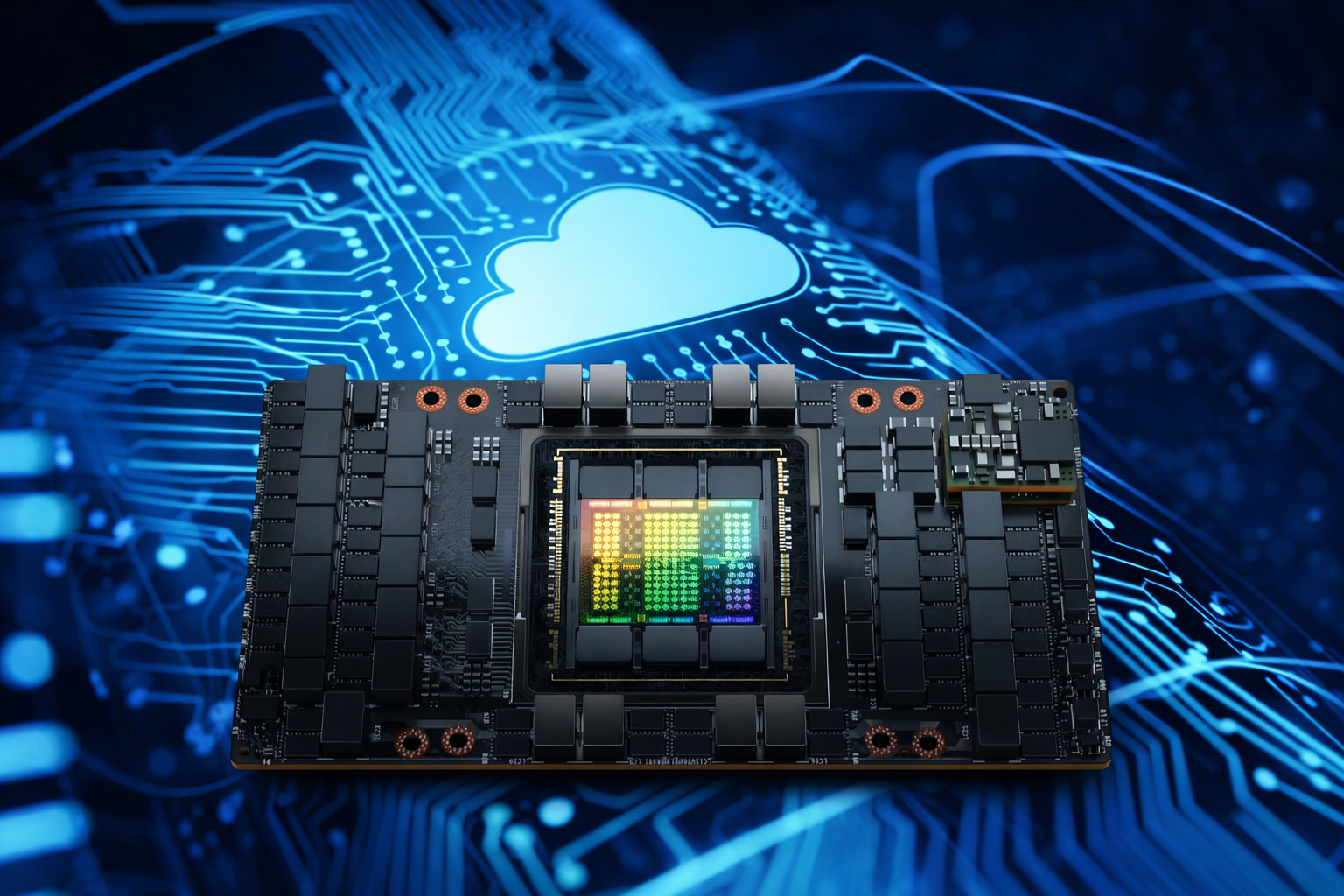
ByteDance has reportedly found a legal path to access some of NVIDIA’s most advanced AI hardware without directly importing those chips into China. According to the report linked by the user from The Wall Street Journal, ByteDance is working with Malaysian cloud provider Aolani Cloud to use a large Blackwell based cluster in Malaysia built around roughly 36,000 NVIDIA B200 chips, with the broader infrastructure reportedly valued at more than $2.5 billion. Reuters separately reported the same core arrangement and said the deployment would support ByteDance’s AI research and development outside China.
The key distinction is ownership versus access. Under the reported setup, ByteDance would not directly own the restricted GPUs. Instead, the chips would be owned and operated by the cloud partner outside China, with ByteDance effectively renting compute capacity. That matters because current U.S. export controls focus on where these systems are shipped and operated, not necessarily on whether a Chinese company can remotely use compute hosted in a non restricted country. Reuters says NVIDIA itself framed the arrangement as compliant with existing rules, noting that cloud systems can be built and run outside controlled countries and that approved cloud partners go through compliance review before receiving NVIDIA products.
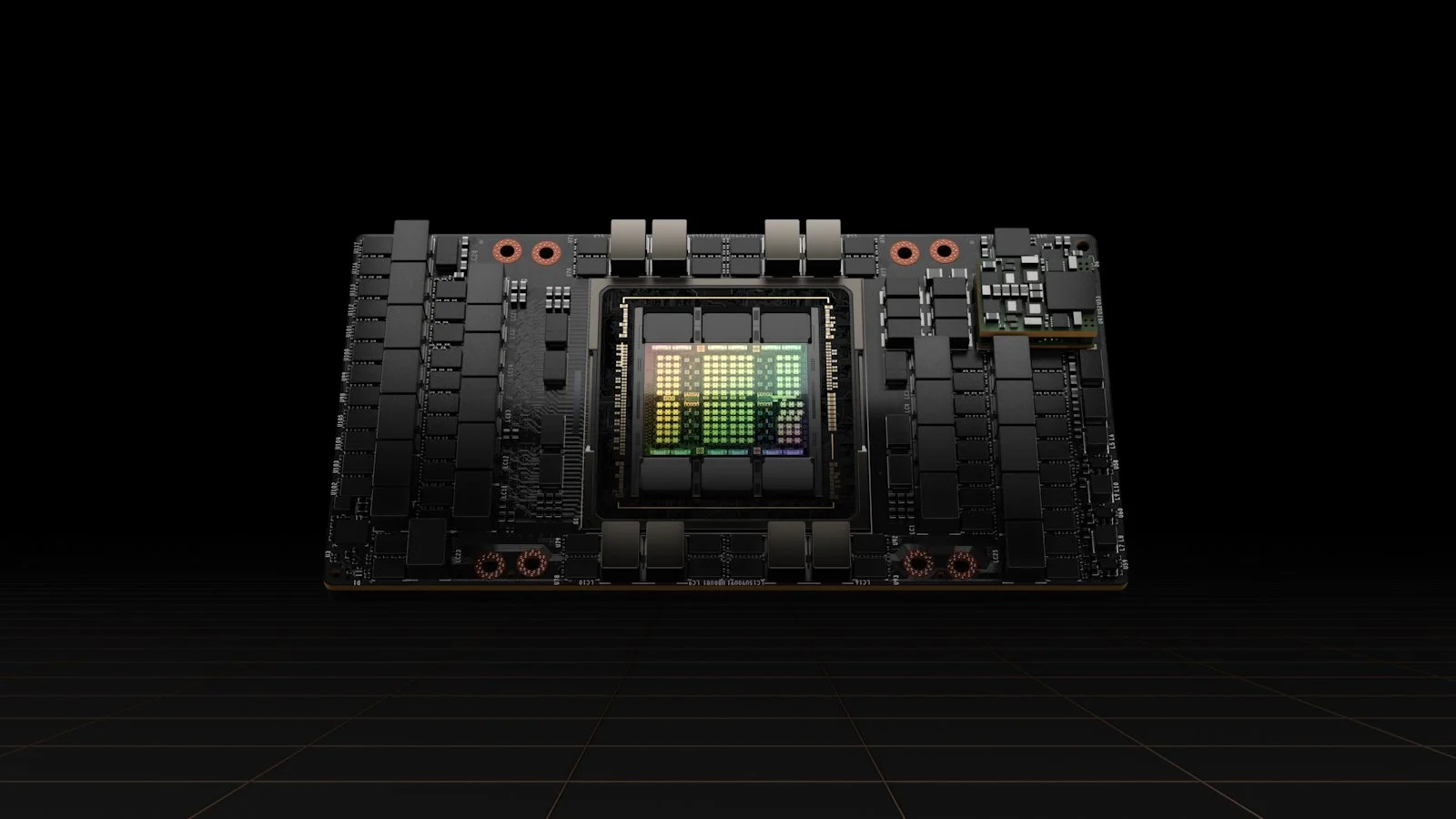
This is why the story matters beyond ByteDance alone. It highlights a policy gap that has been debated for months: export controls may restrict direct sales into China, but they do not fully prevent Chinese firms from reaching top tier compute through offshore cloud infrastructure. Reporting around the deal says Aolani is considered a tier 1 NVIDIA cloud partner, which would give it stronger standing in the supply chain and faster access to scarce high end AI hardware. That makes companies like Aolani strategically important middle layers in the current AI race.
NVIDIA’s public stance, as reflected in Reuters and other reporting, is that these offshore cloud arrangements are allowed by design and that competing for cloud deployments outside restricted countries is an important commercial and geopolitical priority. In other words, NVIDIA is not presenting this as a hidden loophole on its side. It is effectively arguing that winning cloud business in Asia is part of the broader AI competition and that its compliance process already covers these partner relationships.
From a market perspective, the bigger takeaway is that renting compute is becoming a much more powerful workaround than smuggling ever was. It is scalable, easier to defend legally, and much more useful for large AI firms that need sustained access to advanced infrastructure. If the reported ByteDance arrangement is accurate, then the real question is no longer whether Chinese companies can touch frontier NVIDIA hardware at all. It is how much access they can secure through third country cloud operators before regulators decide to tighten the rules again. That final point is an inference based on the reported structure of the deal and the way current export rules are being described.
What do you think, should offshore cloud rentals be treated as a legitimate service model under current export rules, or is this exactly the kind of access path regulators will try to close next?
