
Bloodborne Hits Over 200 FPS on PC With NVIDIA DLSS Frame Generation and Unofficial Native Port
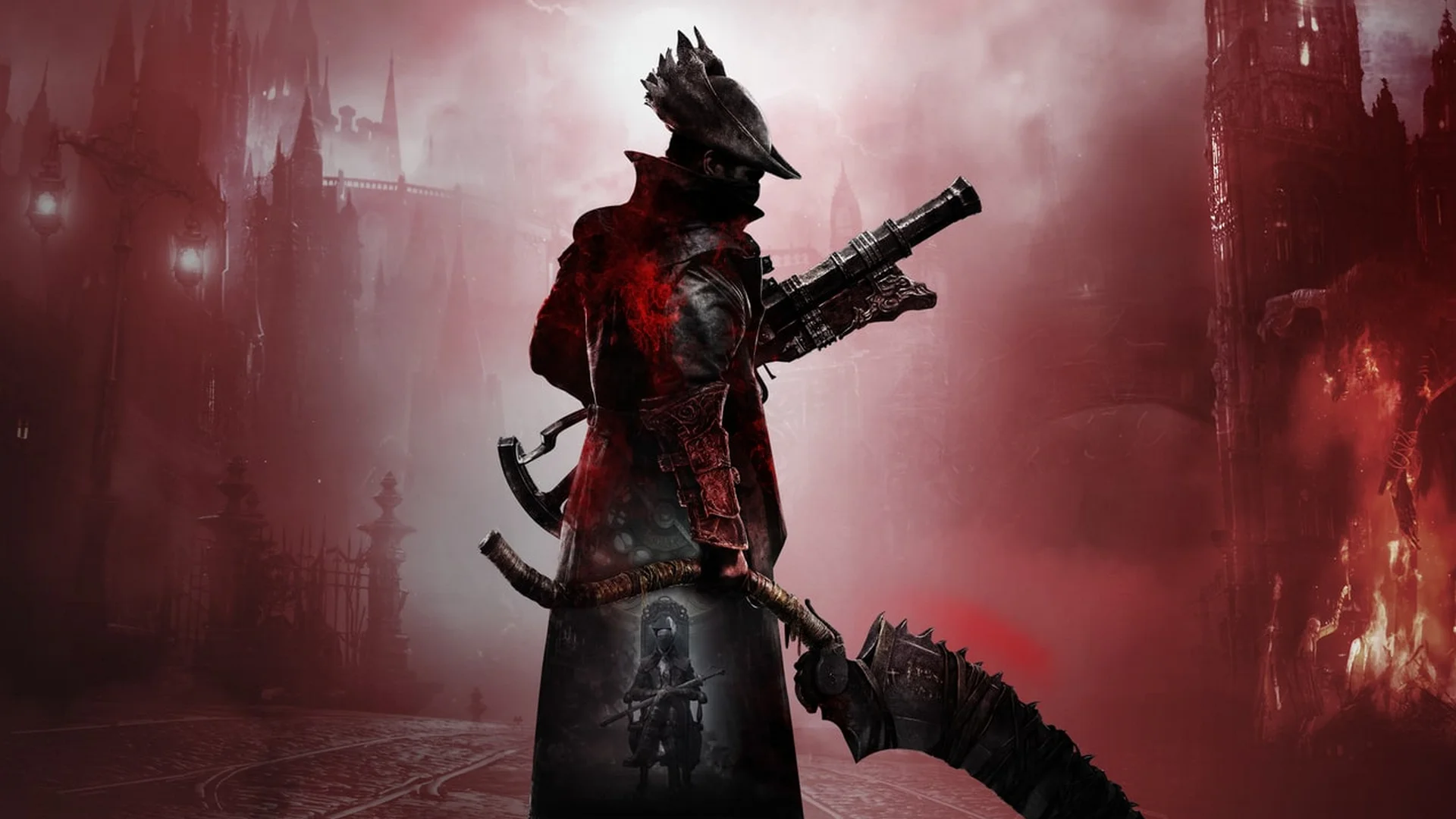
FromSoftware's Bloodborne has reached another major milestone on PC, with an unofficial Windows port now achieving more than 200 FPS on an NVIDIA GeForce RTX 4070 using DLSS Frame Generation. The latest demonstration highlights the progress made by community developers in modernizing the PlayStation 4 exclusive, bringing higher resolutions, unlocked frame rates and advanced graphics technologies to the 2015 action RPG.
The performance demonstration, published by MxBenchmarkPC, showcases the Windows implementation developed by Supermedo, which executes Bloodborne's original PlayStation 4 CPU code directly on compatible PC hardware while translating graphics operations through a Vulkan renderer derived from shadPS4. Unlike conventional full system emulation, the project uses a specialized runtime built specifically for Bloodborne, reducing unnecessary overhead while retaining compatibility with the original game files.
Bloodborne PC Performance With RTX 4070
| Resolution | Graphics Configuration | Reported FPS |
|---|---|---|
| 4K | Native DLAA, Frame Generation off | ~40 |
| 4K | DLSS Quality, Frame Generation 2X | 100+ |
| 4K | DLSS Performance, Frame Generation 2X | 120 to 130 |
| 1440p | DLAA, Frame Generation 2X | ~130 |
| 1080p | DLAA, Frame Generation 2X | Up to 220 |
Results come from a single community demonstration using an RTX 4070 and Intel Core i7 14700F. Frame Generation increases displayed frames, not the number of frames natively rendered by the game.
The results represent a dramatic improvement over Bloodborne's original PlayStation 4 release, which targeted 30 FPS and suffered from inconsistent frame pacing. However, the distinction between generated and rendered frames remains important, particularly in a game where precise dodging, parrying and attack timing are fundamental to gameplay.
The project builds upon the community developed Bloodborne PC runtime, incorporating NVIDIA DLSS, AMD FSR, configurable resolutions, expanded controller support and optional gameplay modifications. The developers have also introduced experimental online functionality, although compatibility and stability remain ongoing development priorities.
According to the project's documentation, users should generally maintain a native game frame rate limit of 120 FPS or lower because the original game's timing systems have not been fully validated beyond that threshold. The Windows port also requires users to provide their own decrypted Bloodborne game files, as copyrighted game data is not included with the software.
Despite this progress, Sony and FromSoftware have not announced an official PC release or modern console remaster. Community development continues demonstrating what the game can achieve on modern hardware, although these unofficial implementations still require further refinement before offering the consistency expected from a commercial PC release.
Bloodborne running above 200 displayed FPS on an RTX 4070 is an impressive achievement, but the real breakthrough is the specialized runtime that allows the original game code to execute directly on PC hardware. Combined with Vulkan translation and modern upscaling, it demonstrates how community engineering can extend the technical capabilities of console exclusives long after their original release.
For a demanding action RPG like Bloodborne, consistent native frame delivery and low input latency remain more important than headline FPS numbers. A stable 60 or 120 FPS experience without significant frame pacing problems may ultimately offer greater gameplay benefits than relying on additional generated frames. Nevertheless, the continued progress of these community projects makes the absence of an official PC version increasingly noticeable.
Would you prefer playing Bloodborne at 200+ FPS through an unofficial PC port, or would you still pay for an official Sony remaster with improved graphics and native PC support?
