
Bethesda Game Studios Hit By Xbox Layoffs Despite Elder Scrolls VI Being a Major Franchise Bet
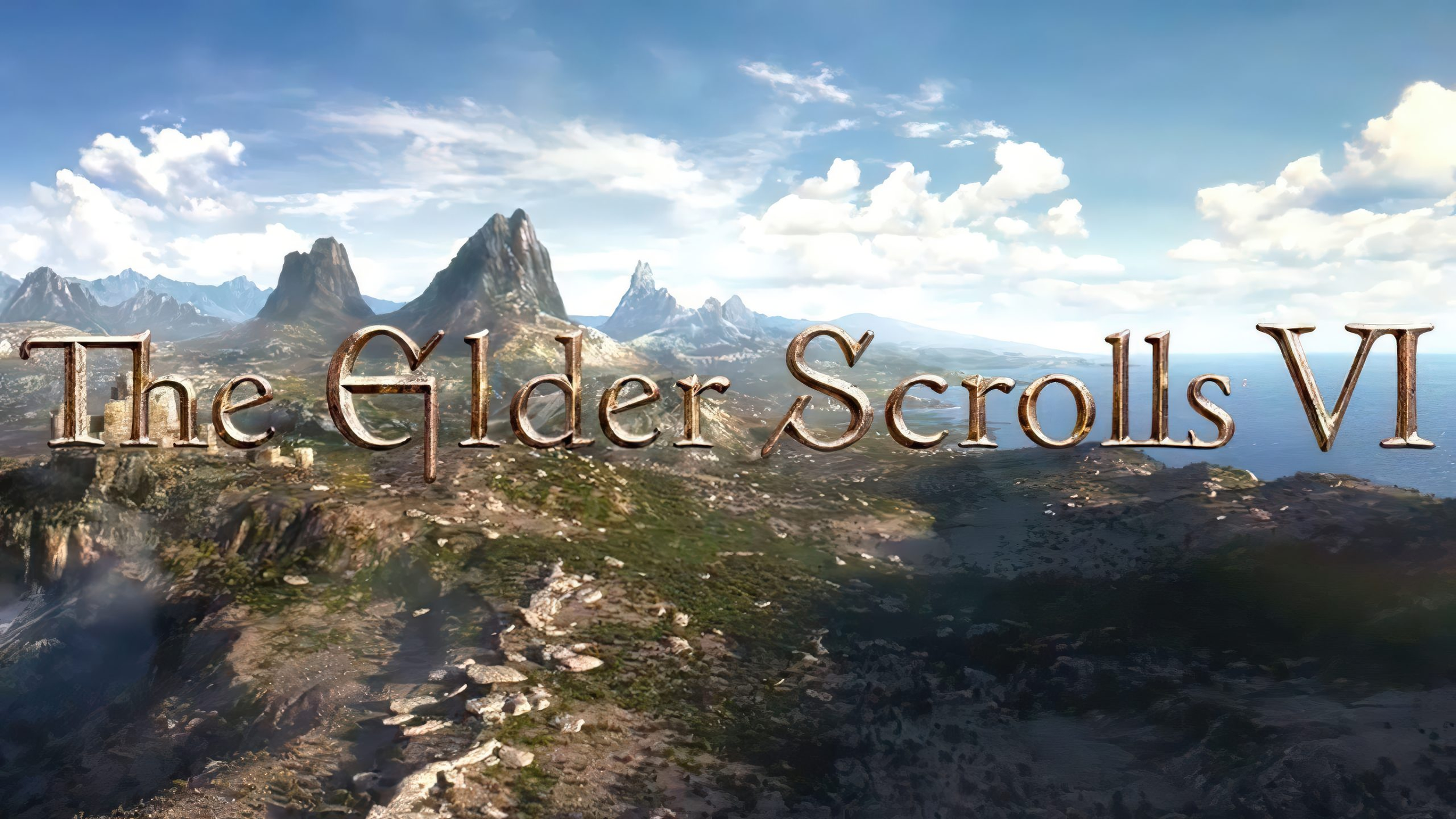
Xbox’s new franchise focused strategy is creating one of the most confusing contradictions in Microsoft’s gaming reset. On one side, Xbox CEO Asha Sharma has said the company is narrowing investment around higher priority projects and the biggest brands in its portfolio. On the other side, Bethesda Game Studios, the team behind The Elder Scrolls VI and Fallout, has still been hit by major layoffs during the same restructuring.
In the official Xbox Wire restructuring note, Sharma confirmed that Xbox will cut approximately 3,200 roles through FY27, beginning with around 1,600 immediate eliminations. The note also confirmed that cuts and investment shifts will affect Activision, Bethesda and ZeniMax, Blizzard, King, Mojang, and Xbox Game Studios in different ways. Microsoft says no publicly announced first party Xbox games are being cancelled as part of the reductions, but that does not mean the teams behind those games were protected.
That is where Bethesda Game Studios becomes the most sensitive example. The Elder Scrolls VI is arguably the largest announced project in Xbox’s portfolio, especially after The Elder Scrolls V: Skyrim became one of the most successful role playing games ever released. Todd Howard described The Elder Scrolls VI as Bethesda Game Studios’ biggest active project, with most of the studio now focused on the long awaited sequel. That should have made Bethesda Game Studios look like one of the safest teams under the new strategy.
Instead, the Bethesda Game Studios Union said the cuts reached directly into the production staff making future Bethesda games. As reported by Windows Central, the union rejected the idea that the layoffs were only about removing management complexity, saying Bethesda lost developers from core disciplines including programming, art, design, and testing.
"We lost dozens of programmers, artists, designers, and testers."
— Bethesda Game Studios Union
The concern is not only about headcount. It is about institutional knowledge. Bethesda games are famously complex because they combine open world design, quest systems, simulation, modding, AI behavior, player freedom, and long term support expectations. Losing senior staff, especially people who worked at the studio for decades, can affect tools, pipelines, engine knowledge, quest implementation, quality assurance, and the technical memory needed to ship a game at the scale expected from The Elder Scrolls VI.
The wider ZeniMax picture is also under pressure. According to The Verge, id Software was reportedly hit by layoffs affecting around 50% of the studio, with quality assurance and technical staff heavily impacted. That matters because id is not just the DOOM studio. It is also historically tied to id Tech, one of the most respected proprietary engine families in gaming. If a studio built around high performance engine culture loses that much talent, Xbox risks weakening exactly the kind of technical advantage that makes its major franchises distinct.
This makes the timing difficult to understand, Bethesda and ZeniMax were being refocused around The Elder Scrolls, Fallout, DOOM, Quake, and Wolfenstein, a strategy that sounds logical on paper. These are recognizable brands with global value and clear long term commercial potential. However, if the studios responsible for those brands are losing key production staff at the same time, the strategy becomes harder to reconcile.
The Elder Scrolls VI may also still be years away. Jason Schreier suggesting the game is still around 2 to 3 years from release, although Bethesda and Microsoft have not announced an official launch window. That creates a difficult equation for Xbox. Management wants fewer bigger games, fans want The Elder Scrolls VI sooner, and Bethesda Game Studios is now dealing with staff reductions during a period when the project should be moving deeper into production.
Former Bethesda developer Bruce Nesmith warned that accelerating development could force cuts to features, polish, or scope. That warning feels even more relevant now. Faster output is difficult enough for a massive RPG. Faster output after losing experienced staff is an even bigger challenge.
This is the core contradiction in Xbox’s reset. Microsoft says it wants to focus on the franchises that matter most, but the teams behind those franchises are still being reduced. A franchise first strategy only works if the creative and technical teams behind those franchises are strong enough to execute. The Elder Scrolls VI cannot be treated like a safe asset on a spreadsheet while the studio building it loses experienced programmers, artists, designers, and testers.
Bethesda Game Studios has always depended on a very specific kind of development culture. Its games are not polished linear products built around narrow corridors and controlled outcomes. They are messy, systemic, reactive role playing worlds where players test the edges of every system. That kind of game demands time, tooling, senior experience, deep QA, and strong internal continuity. Cutting into that foundation may save money in the short term, but it can create quality risks that become much more expensive later.
Xbox may still believe The Elder Scrolls VI is one of its biggest future bets, and it probably is. But betting on a game is not the same as protecting the people who know how to build it. If Microsoft wants The Elder Scrolls VI to become the defining Xbox RPG of the next decade, the company needs more than brand recognition. It needs production stability, engineering strength, and enough development runway for Bethesda to deliver something worthy of the Skyrim legacy.
Do you think Xbox can still deliver the full promise of The Elder Scrolls VI after cutting staff at Bethesda Game Studios, or will these layoffs affect the final game?
