
Jennifer English Urges Developers to “Keep It Human” and Reject Generative AI in Video Game Performance Work
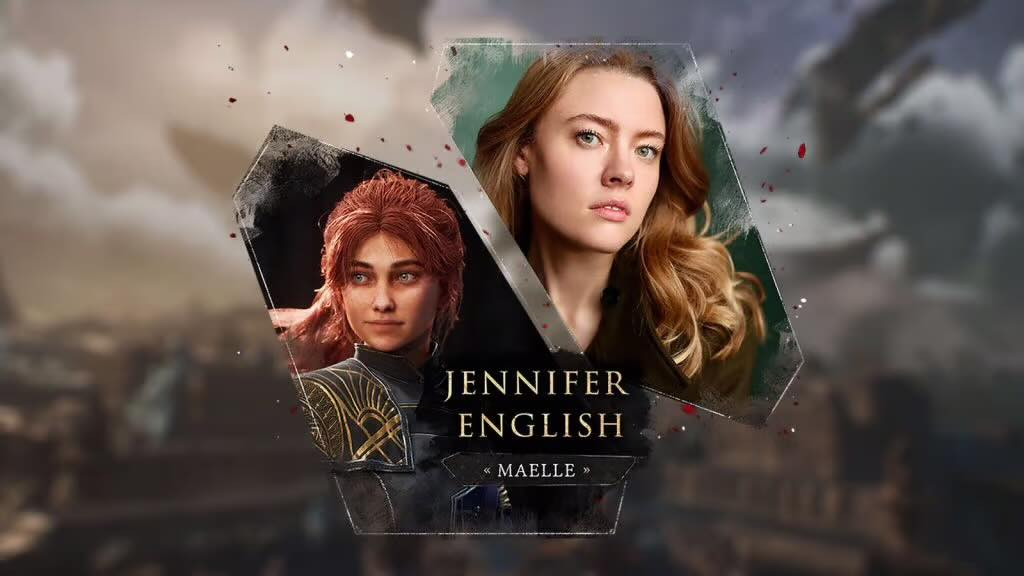
Jennifer English has quickly become one of the most celebrated actors in the video game industry following her acclaimed performances as Shadowheart in Baldur’s Gate 3, Latenna in Elden Ring and most recently Maelle in Clair Obscur Expedition 33. During the 2025 Golden Joystick Awards, English was asked directly about the growing use of generative AI in game development, a subject that has increasingly affected voice actors and performance artists across the industry.
When speaking to the awards show host GamesRadar on the red carpet, English delivered a short but firm answer to the question of whether generative AI should be used for performance work in games.
@gamesradar Shadowheart and Maelle actor Jennifer English says don't use generative AI to make games #clairobscur #expedition33 #baldursgate3 ♬ original sound - Gamesradar.com
“Do not,” she said. “Just do not. Use your beautiful creative human brains. I get it, AI is a tool, but not to replace creativity. Mistakes are beautiful, mistakes are wonderful, flaws are wonderful. Keep them in, keep it human. Be cool, guys, do not be weird.”
The question carries weight for English and her peers. The use of generative AI voiced assets in recent titles such as The Finals and ARC Raiders has been controversial. Regardless of where players stand on Embark Studios’ decision, the reality is that AI generated lines displaced work that could have gone to voice actors.
Following the red carpet interview, Clair Obscur Expedition 33 went on to dominate the Golden Joystick Awards. The title won every category in which it was nominated and became the only game of the evening to take home more than two awards. English also won Best Lead Performance for her work as Maelle, and the game secured the event’s top honor, Ultimate Game of the Year.
Clair Obscur is now heading into The Game Awards with historic momentum, having earned 12 nominations, the most ever achieved by a single game in one year. English is also nominated for Best Performance and faces competition from two of her fellow Clair Obscur cast members. With three out of six nominations in the category belonging to the same title, the odds are unusually favorable.
Yet English’s message comes at a moment when the broader development landscape is shifting. Many studios are experimenting with generative AI at various points in the pipeline, whether for concepting, placeholder assets or even near final material. Even Sandfall Interactive, the studio behind Clair Obscur, appeared to have used generative AI for minor assets according to a report shared on Bluesky. The studio has not commented publicly, but assets suspected of being AI generated were later replaced with alternatives that do not appear to be created with AI.
While English stands firmly on the side of human creativity, her comments highlight an ongoing industry wide debate about the future balance between artistic performance and automated tools. As the industry enters a year dominated by record breaking award attention for Clair Obscur, her message resonates strongly with both performers and fans.
Do you believe generative AI should remain a background tool in development or be excluded entirely from performance work in games
