
Intel CEO Lip Bu Tan Denies Allegations of IP Transfer Following Hiring of Former TSMC Executive
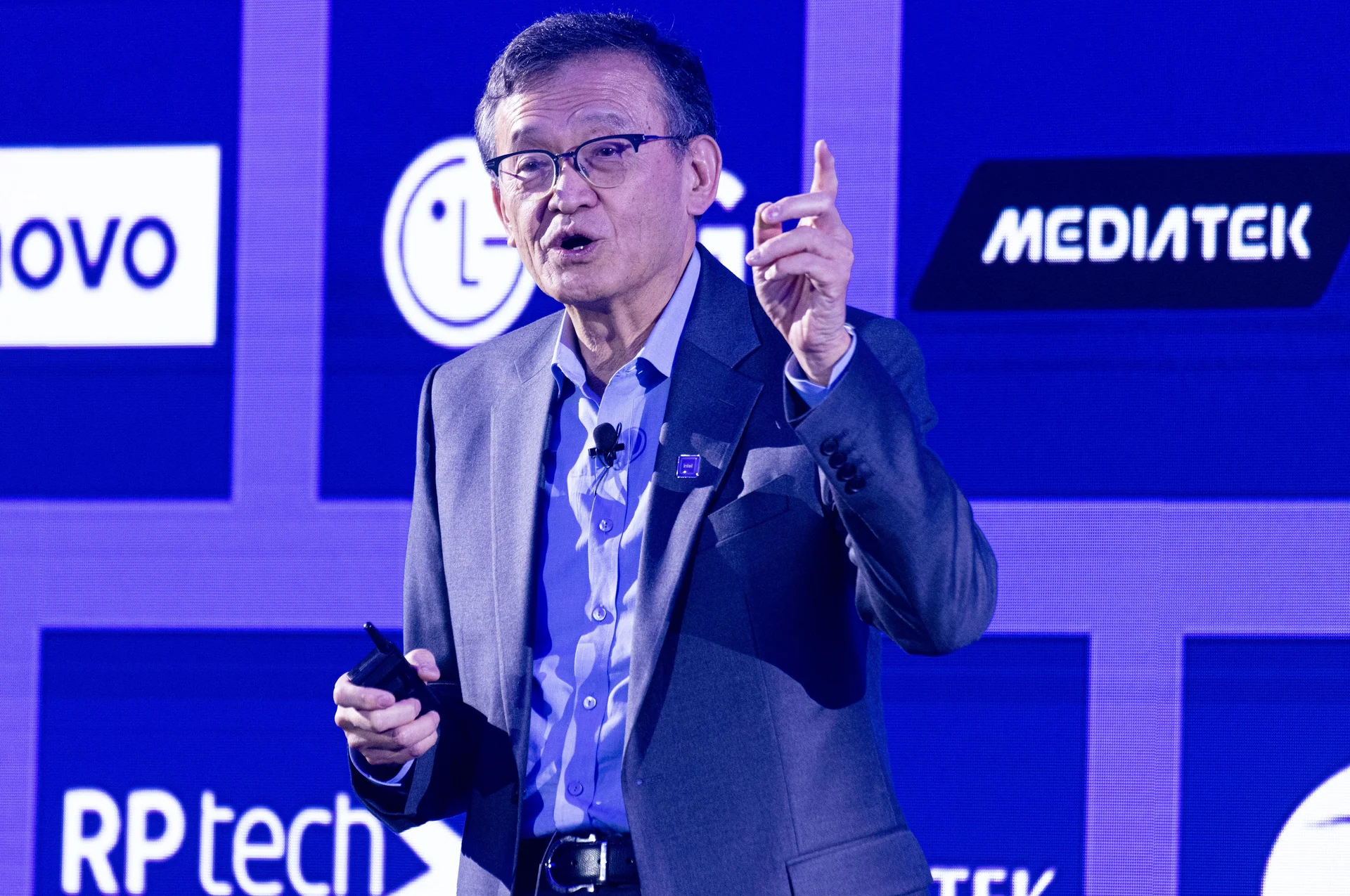
The ongoing situation between Intel and TSMC has escalated following a high profile lawsuit filed by the Taiwanese semiconductor giant. At the center of the conflict is the move of former TTSMC executive Wei Jen Lo to Intel, a transition that TSMC believes could result in the leakage of trade secrets and sensitive competitive information. Intel’s CEO Lip Bu Tan has now directly addressed the issue in an internal memo, firmly rejecting the allegations.
In the memo, obtained by OregonLive, Tan expressed complete confidence in Lo and stated that Intel sees no merit in the accusations brought forward by TSMC.
“Based on everything we know today, we see no merit to the allegations involving Wei Jen, and he continues to have our full support,” Tan wrote. He further emphasized that Intel maintains strict internal controls that prohibit employees from using or transferring confidential information or intellectual property belonging to third parties.
Lo’s move has attracted significant scrutiny because of his long history with both companies. Before joining TSMC, Lo spent 18 years at Intel working on wafer processing technology. He later continued similar work at TSMC, which claims he had access to information that could potentially benefit Intel in the advanced process technology race.
Tan’s memo marks the first time Intel’s leadership has explicitly named Wei Jen Lo in public communication, suggesting the hiring process is effectively finalized. TSMC’s lawsuit claims that Lo possesses confidential information that could influence Intel’s development trajectory, particularly in areas related to leading edge semiconductor manufacturing.

Intel has countered that its process technology roadmap, including nodes such as 18A and future generations, is fundamentally different from TSMC’s. Intel’s adoption of technologies like PowerVia, RibbonFET and early High NA EUV lithography further distinguishes its approach. In this context, the only plausible benefit Intel could gain from Lo’s experience is insight into supply chain management and the expectations of United States based customers looking for external foundry partners.
Intel has reiterated that no technology transfer will occur and that it has no intention of violating intellectual property laws.
This dispute has become one of the most closely watched industry conflicts in recent years. With both companies now heavily competing in the foundry market, the outcome could carry significant implications. TSMC is seeking protections against what it views as a potential competitive threat, while Intel insists the claims are without basis.
As legal proceedings continue, the situation is developing into a high stakes battle between two of the most influential companies in the global semiconductor industry. Both sides stand to be directly impacted by how the case unfolds, particularly as the foundry landscape becomes increasingly competitive.
Do you believe the move of key talent between major semiconductor companies creates unavoidable IP risks or can strict compliance policies mitigate the concerns
