
ASUS Unveils ROG G1000 At CES 2026 With Ryzen 9 9950X3D And more

ASUS is bringing serious flagship energy to CES with the ROG G1000, a high end gaming desktop designed to push both performance and chassis engineering into a more premium, showcase focused direction. This is not just another prebuilt with strong specs. ASUS is clearly productizing an ecosystem experience around top tier silicon, tool less serviceability, and an aggressive thermal design philosophy that targets lower temperatures and higher airflow while still keeping the system visually loud in classic Republic of Gamers fashion.
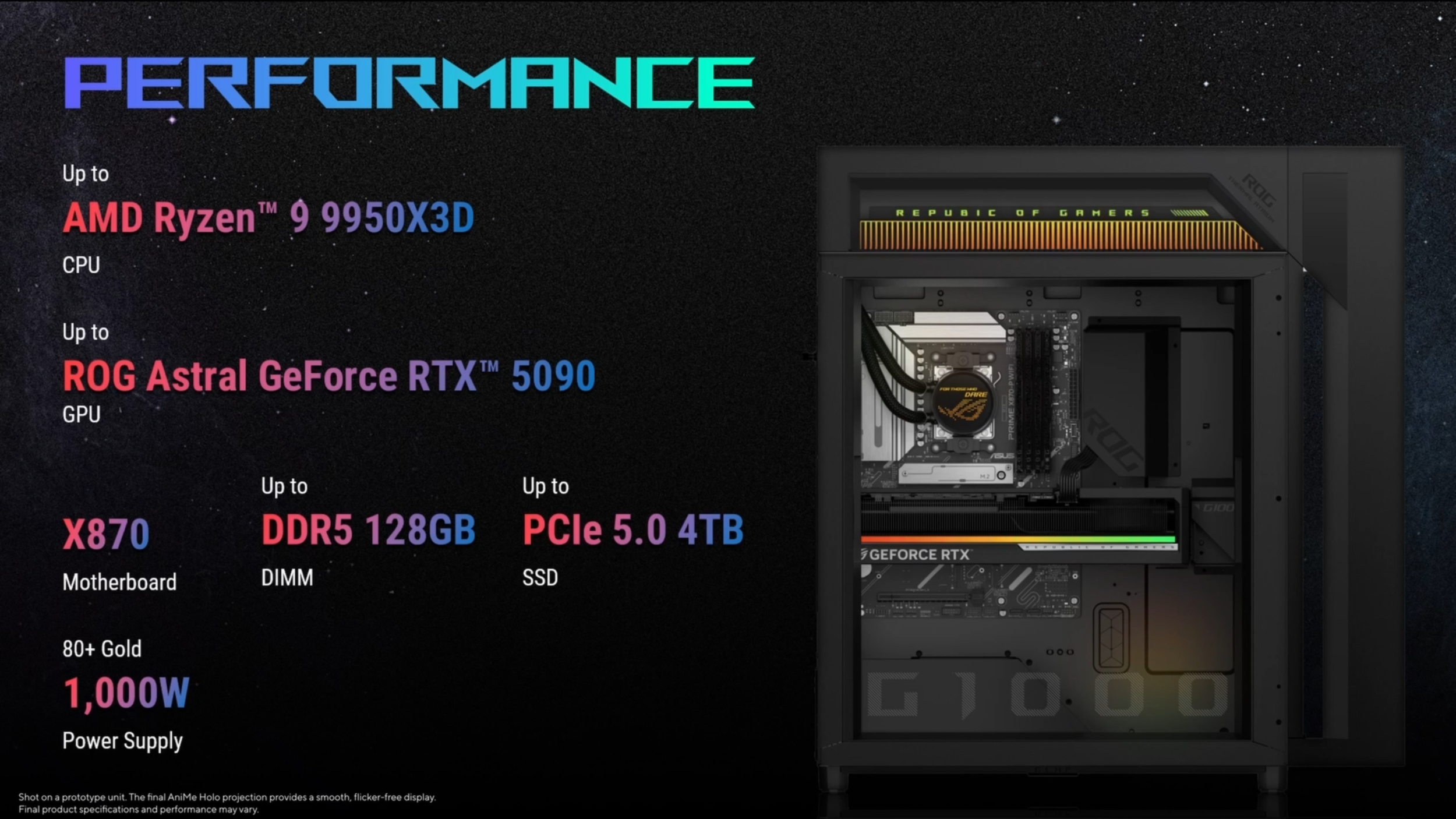
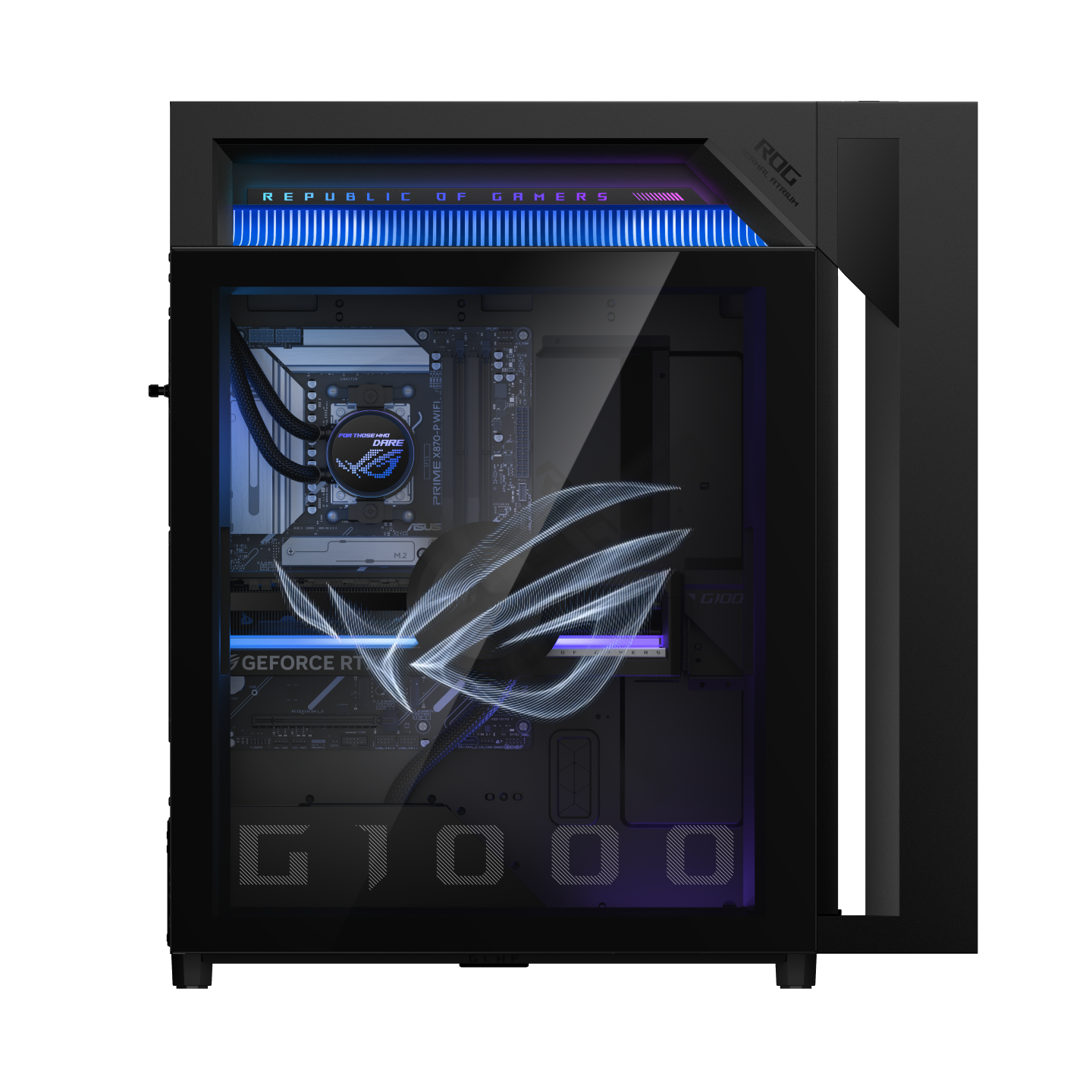
On the core hardware configuration, the ROG G1000 is built around a high end E ATX chassis and can be configured with up to an AMD Ryzen 9 9950X3D, with an additional Ryzen 7 9850X3D configuration also referenced. Graphics can scale up to an ASUS ROG Astral GeForce RTX 5090, pairing what is effectively the current peak tier consumer GPU class with AMD’s X3D gaming focused CPU stack. ASUS also lists an ASUS PRIME X870 series motherboard in ATX form factor, up to 128GB of DDR5 memory, and up to 4TB of PCIe 5.0 SSD storage. Power delivery is handled by a 1000W 80 Plus Gold PSU, which aligns with the requirements of a high end RTX 5090 build and provides enough headroom for sustained gaming and creator workloads.
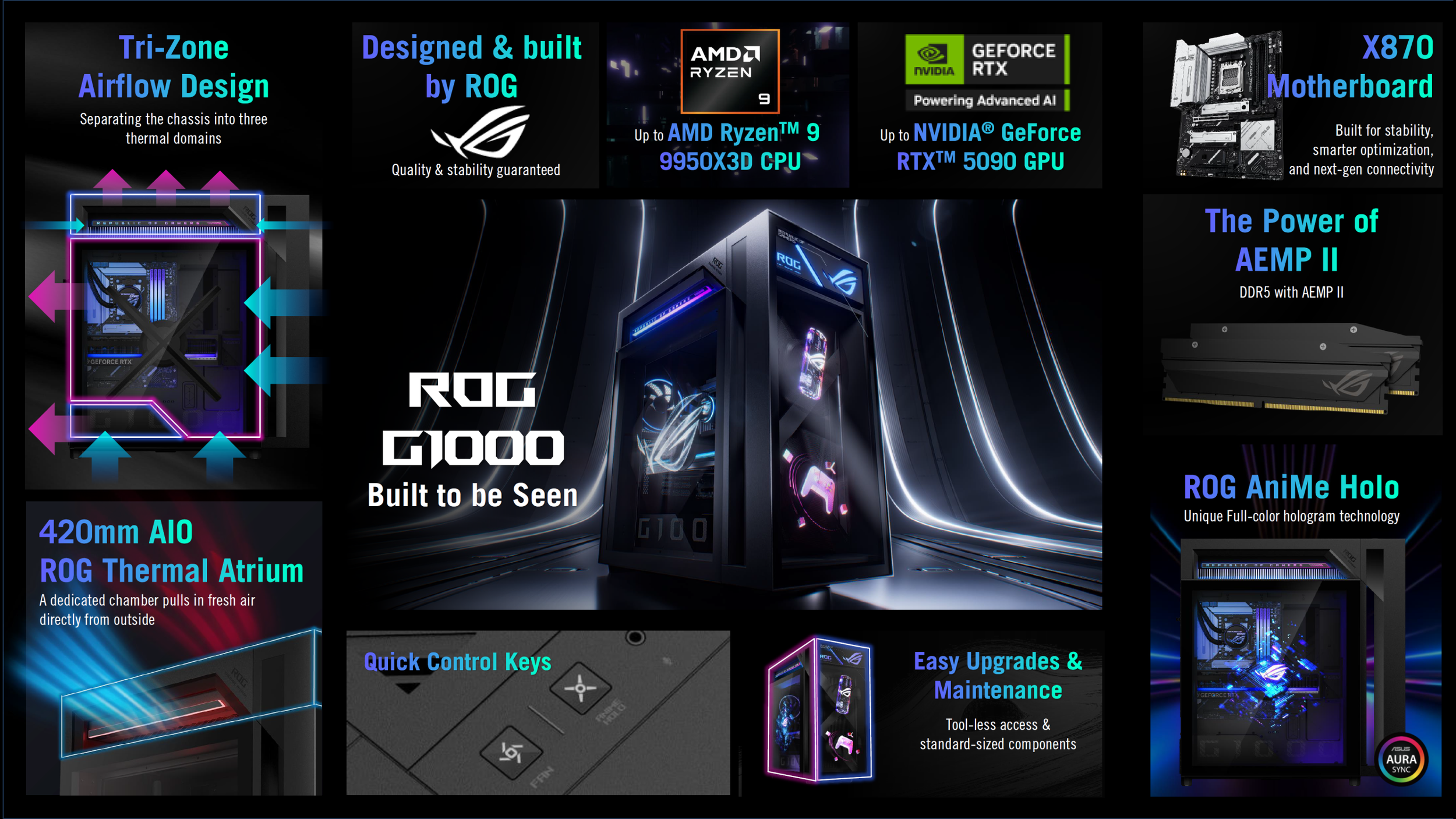
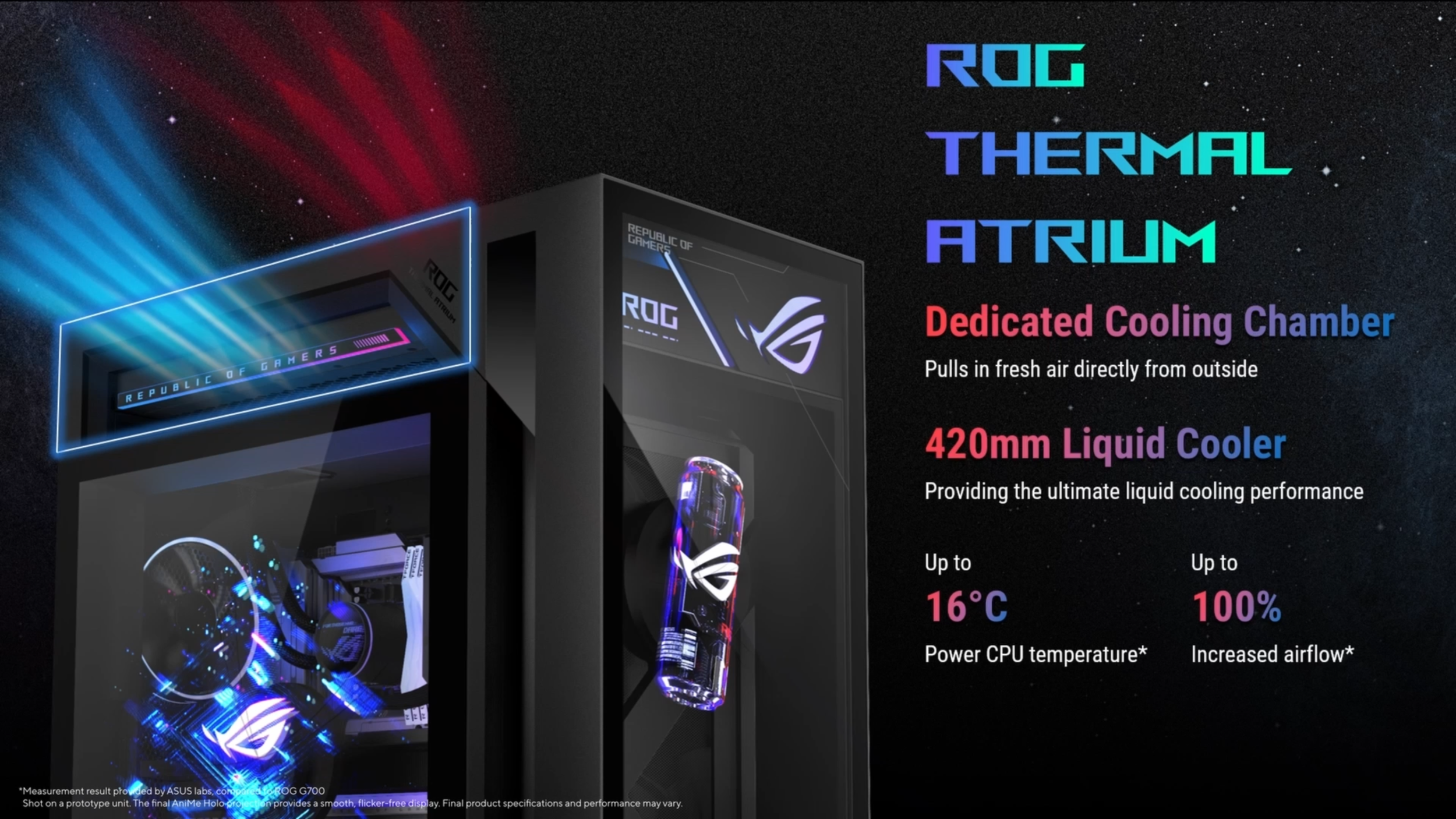
Cooling is one of the most important differentiators here. ASUS is using a new approach called ROG Thermal Atrium, integrating a 420mm AIO liquid cooler into a dedicated cooling chamber positioned at the top of the chassis. ASUS claims this design can deliver 16°C lower temperatures and a 100% increase in airflow versus previous ROG gaming desktops, signaling a major thermal architecture change rather than incremental fan tuning. The overall system is also described as tool less with standard sized components, which is a practical win because it makes the unit more upgrade friendly and serviceable for enthusiasts who want prebuilt convenience without sacrificing future flexibility.
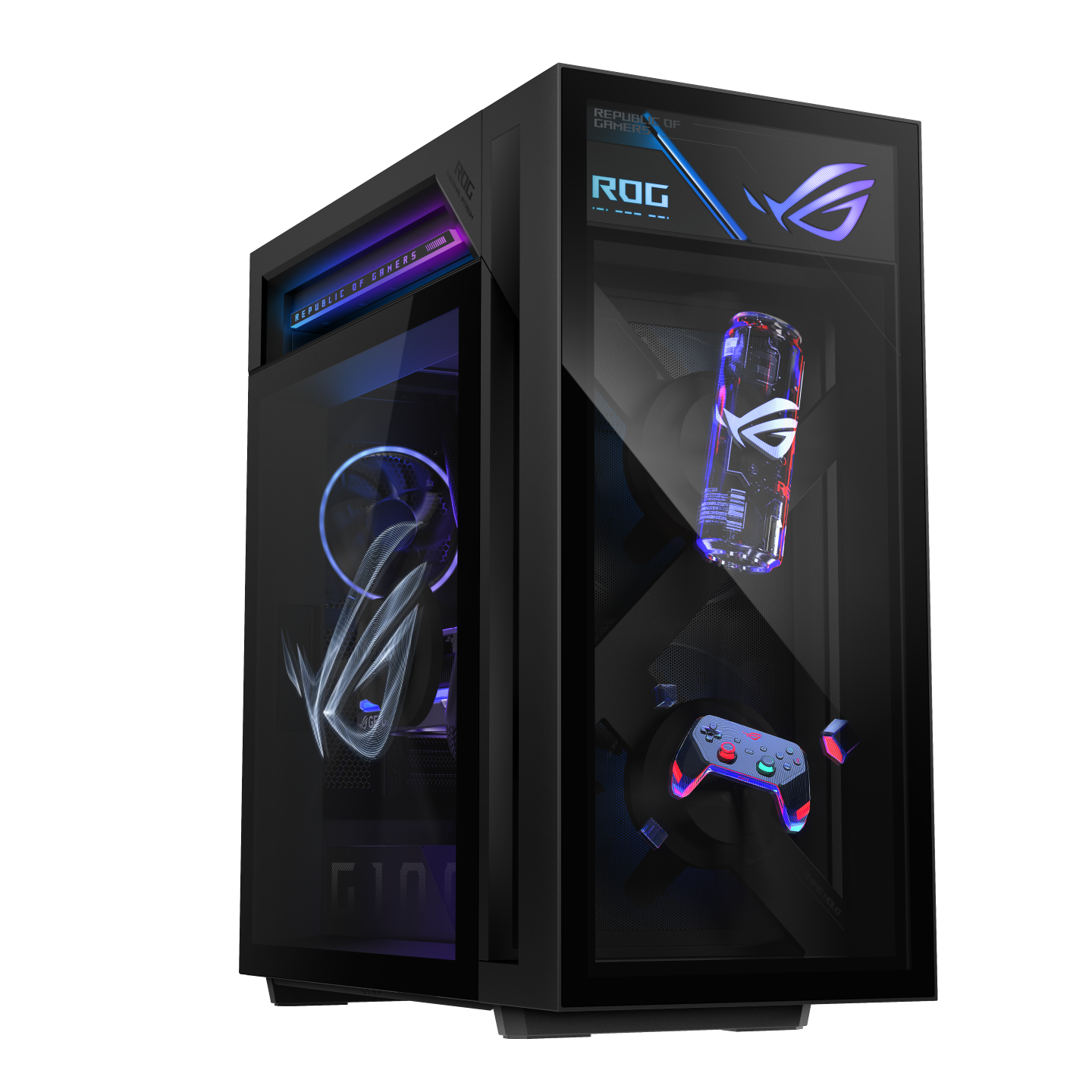
The most visually distinctive feature is ASUS AniMe Holo. The ROG G1000 includes three spinning fans enclosed in separate glass chambers, designed to create a holographic visual effect while spinning. ASUS also adds a massive 380mm side panel fan featuring 680 LEDs, paired with two 215mm front fans featuring 384 LEDs. ASUS rates the AniMe Holo fan and lighting system for over 30000 hours of operation and includes a dedicated AniMe Holo key on the chassis to turn the effects on or off instantly, which is a smart usability touch for users who want maximum visual impact at night but minimal distraction during work hours.
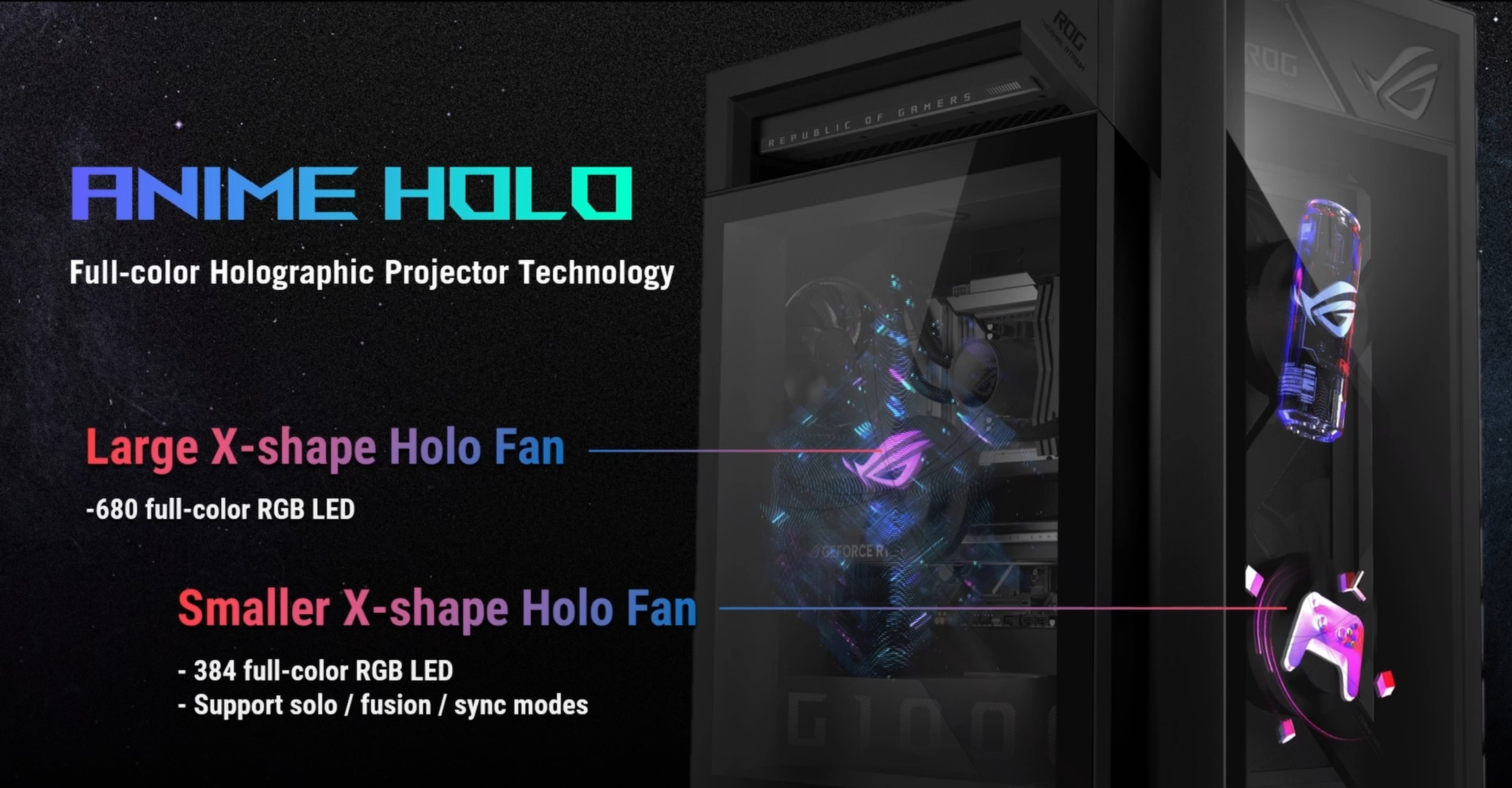
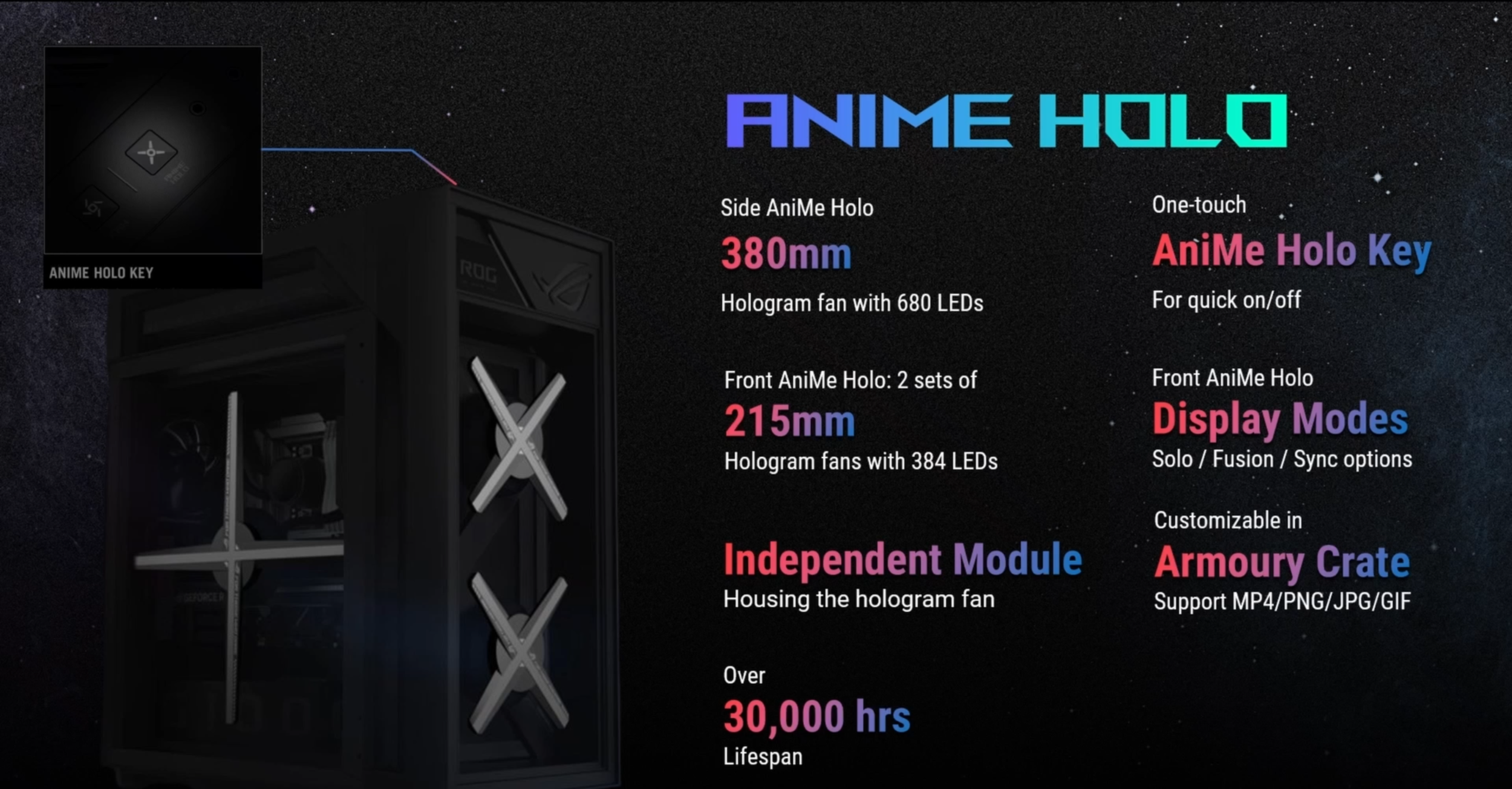
Because the AniMe Holo fans are enclosed in their own chamber, ASUS suggests noise concerns are reduced, and the customization angle is a major part of the pitch. ASUS notes support for MP4, PNG, JPG, and GIF content formats, which effectively turns the chassis into a programmable display surface rather than traditional static RGB patterns. That kind of feature is very streamer friendly and LAN party ready, and it pushes the prebuilt market further toward personalized identity and social media ready aesthetics.
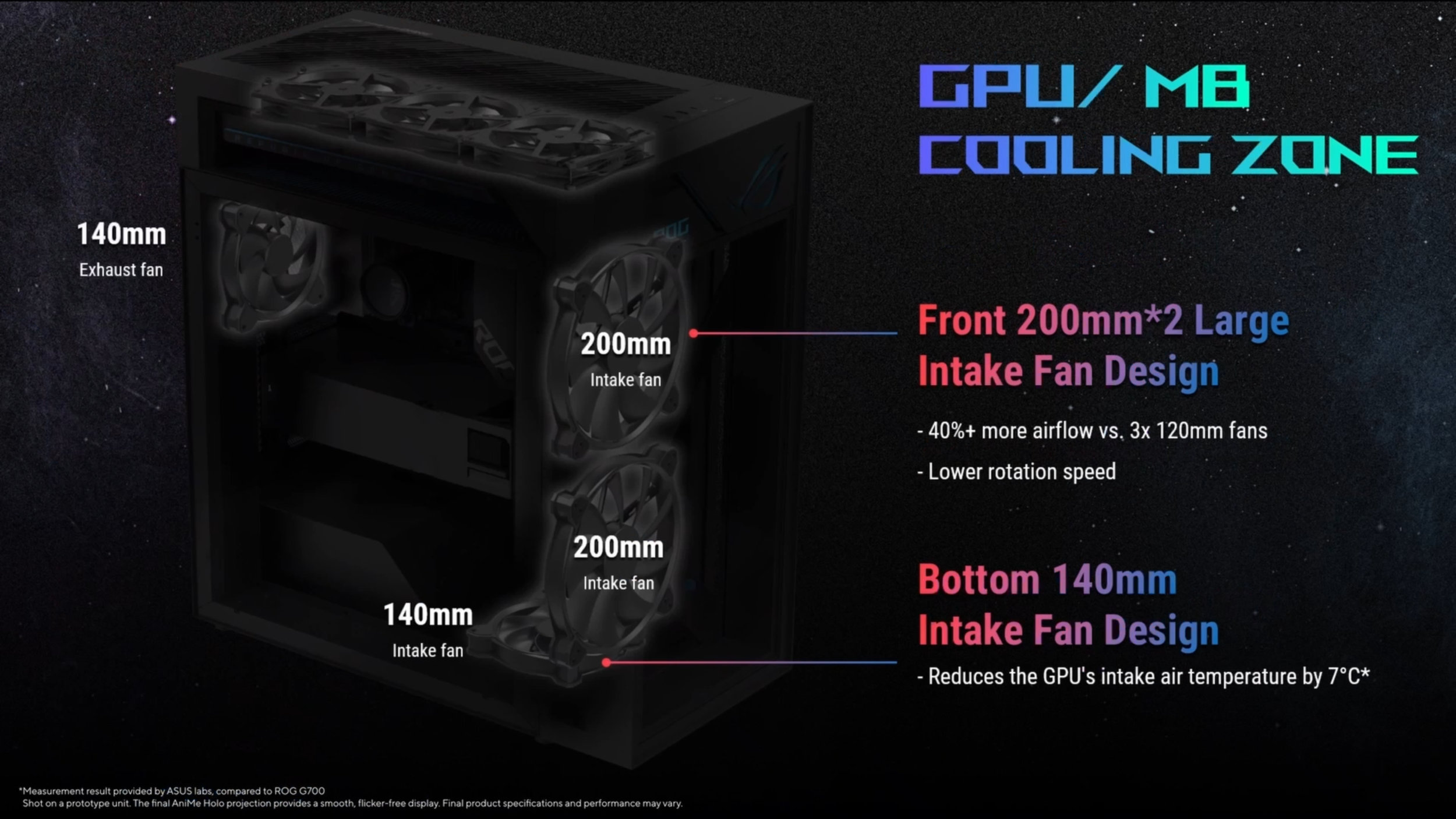
Beyond the holographic modules, ASUS also references an extensive cooling fan layout including two 200mm front fans, a 140mm bottom intake fan, and a 140mm exhaust fan. Combined with the 420mm AIO and the large side fan, this suggests ASUS is prioritizing airflow volume and low restriction intake design to keep both the CPU and the GPU in stable boost behavior under sustained load, which is ultimately what matters for real world gaming frame time consistency and long session stability.
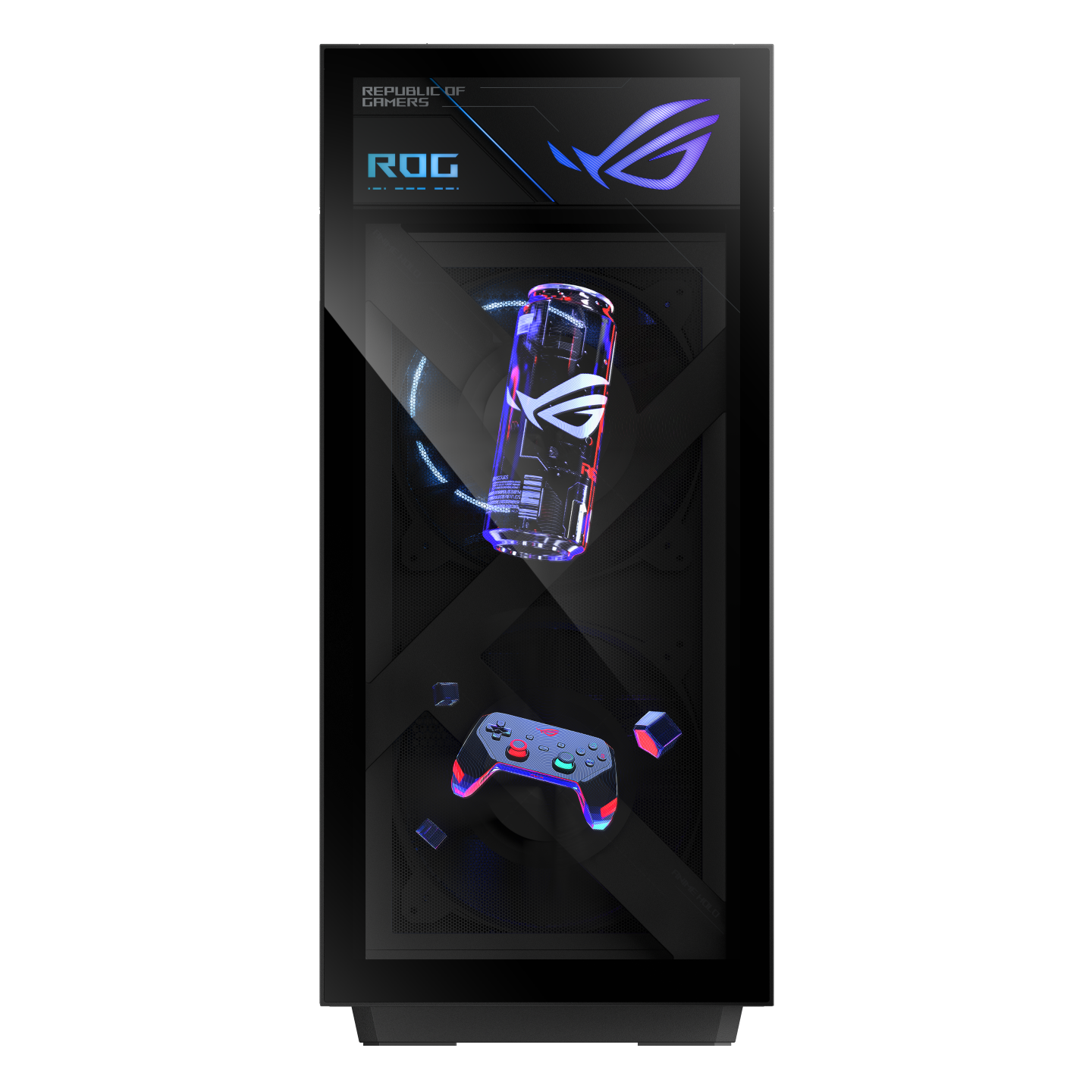
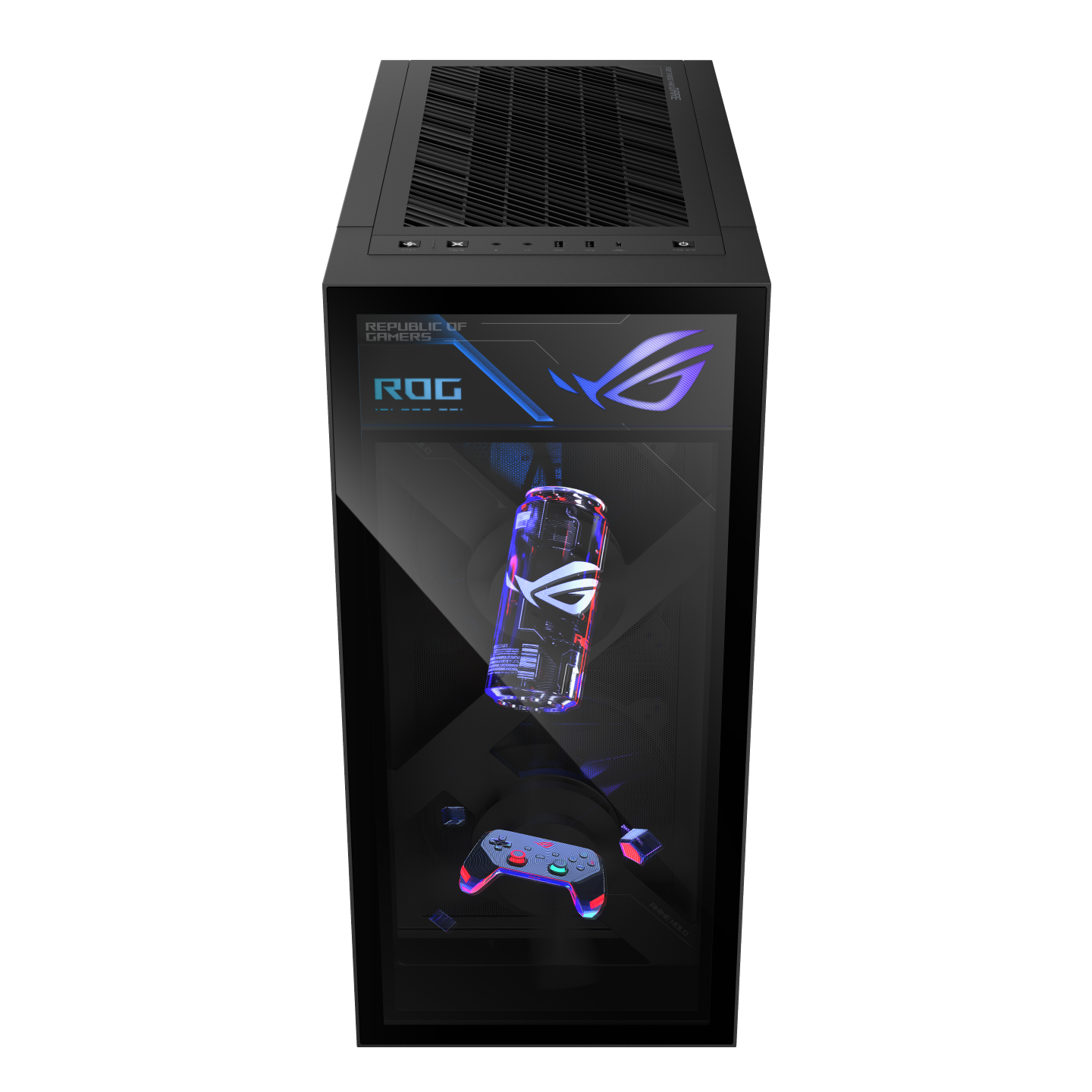
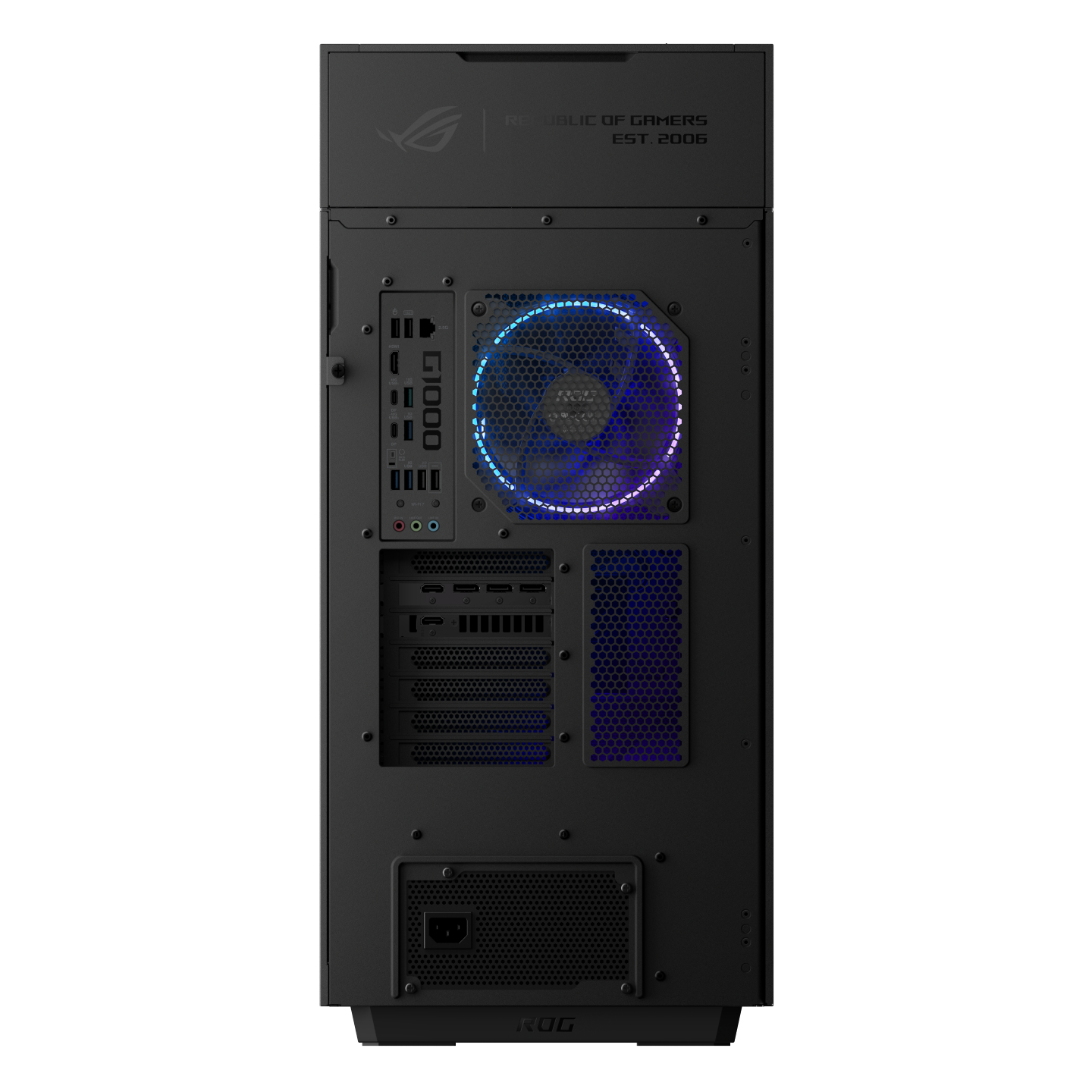
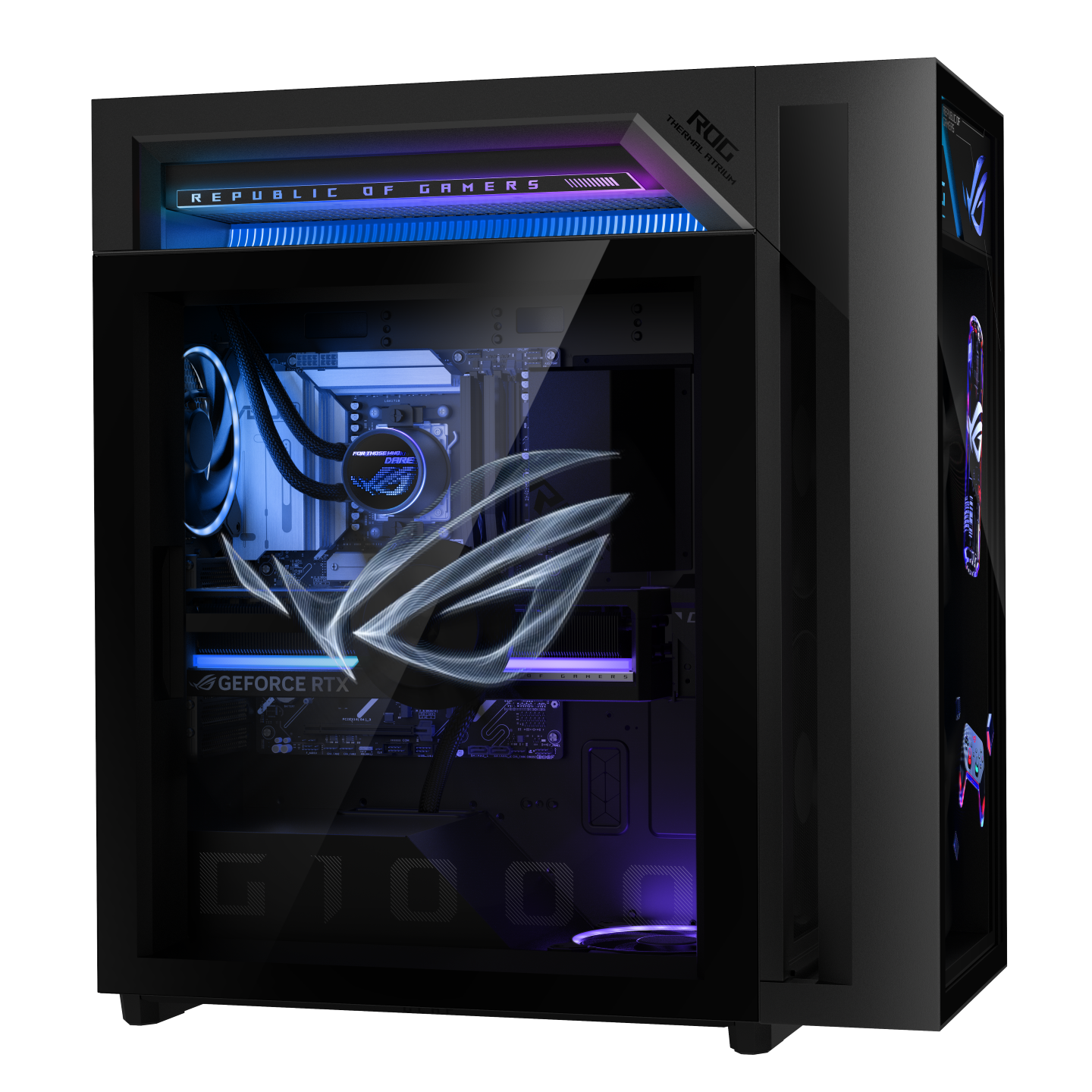
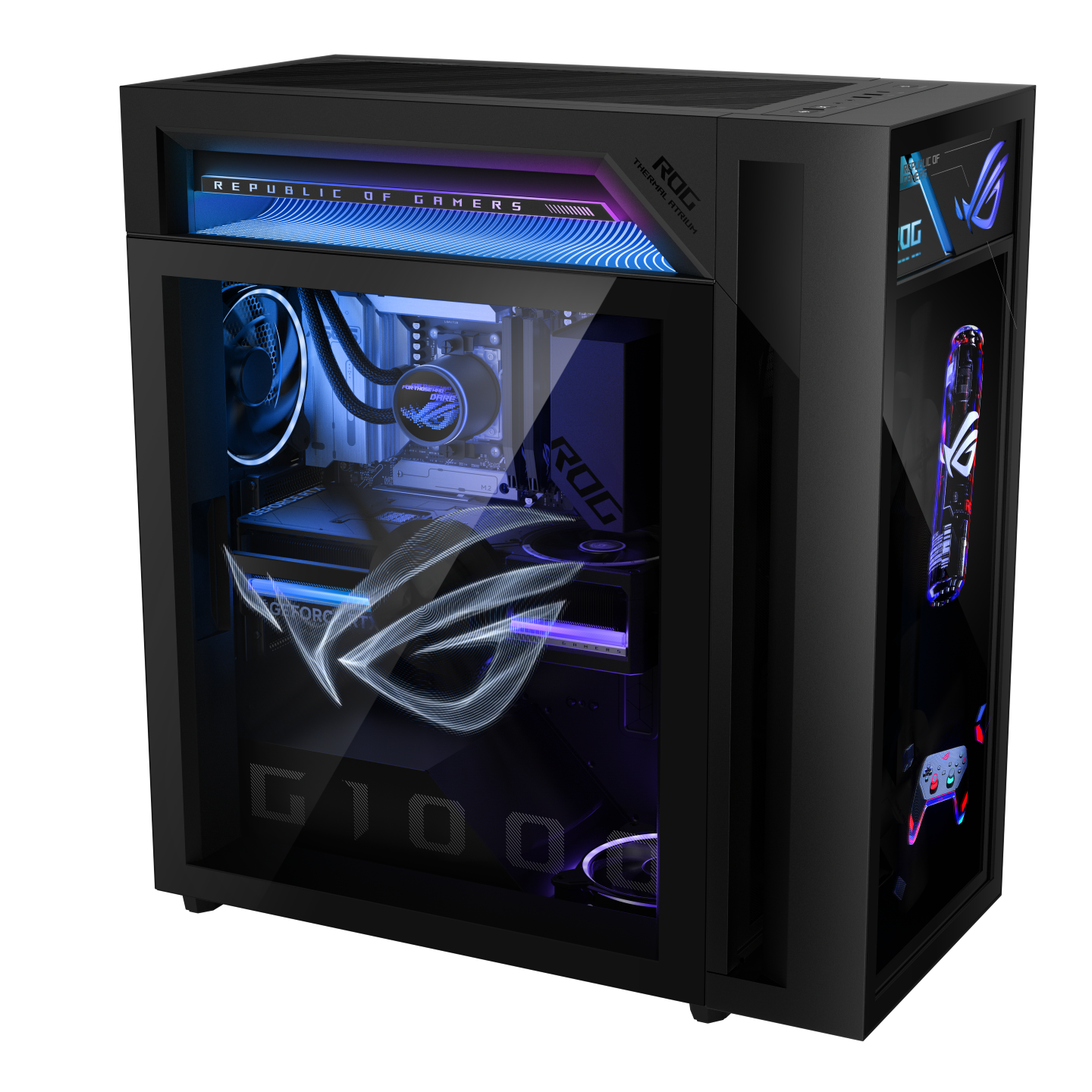
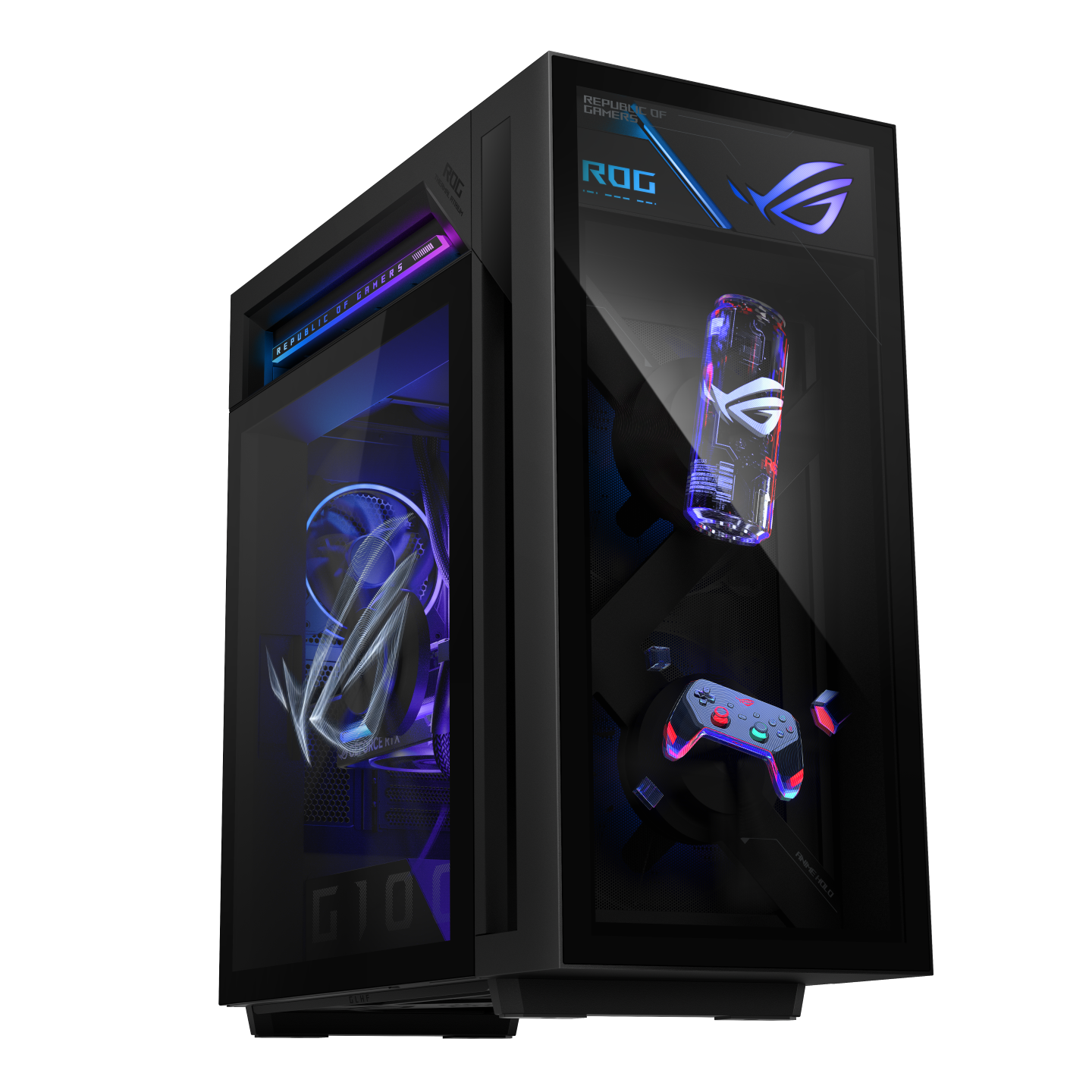
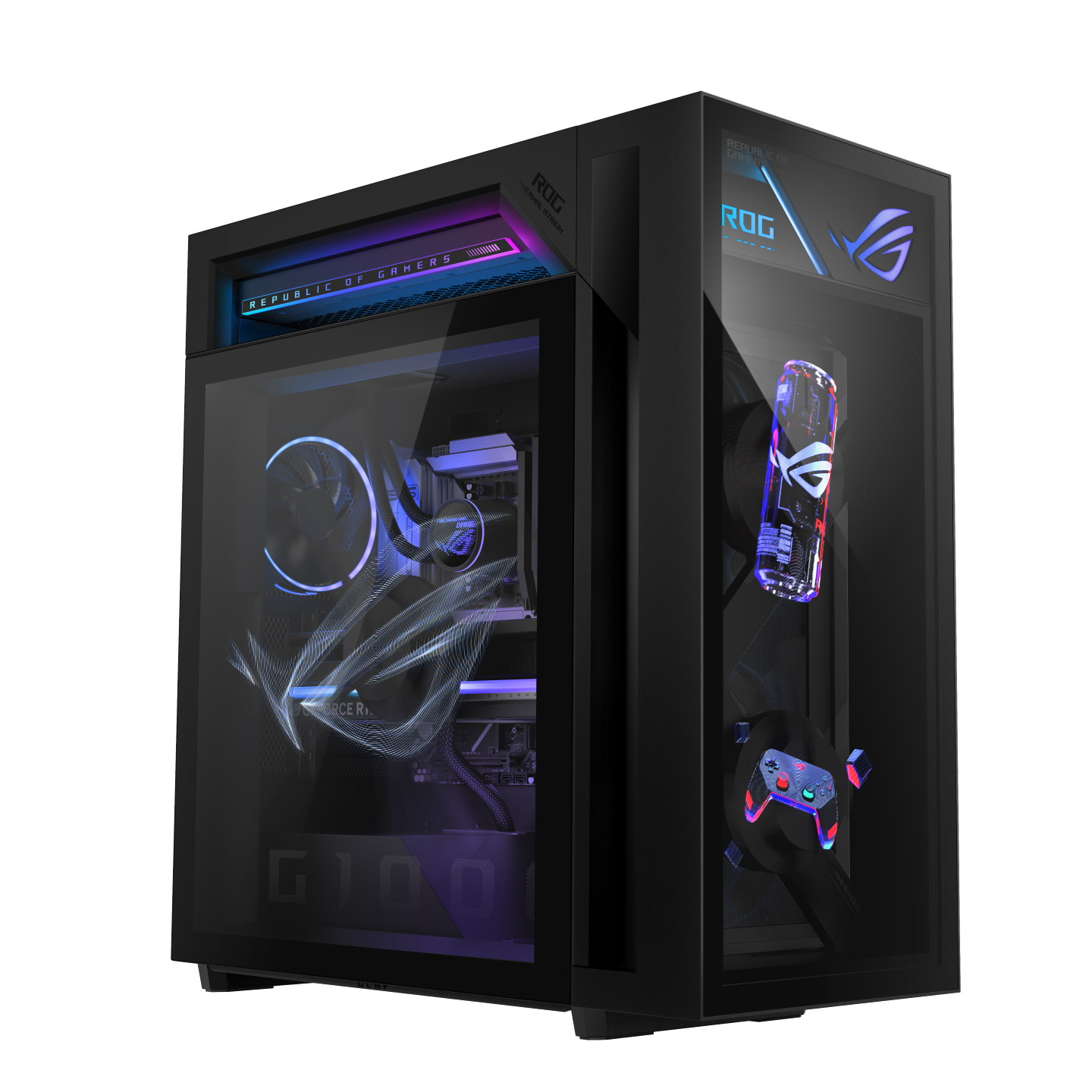
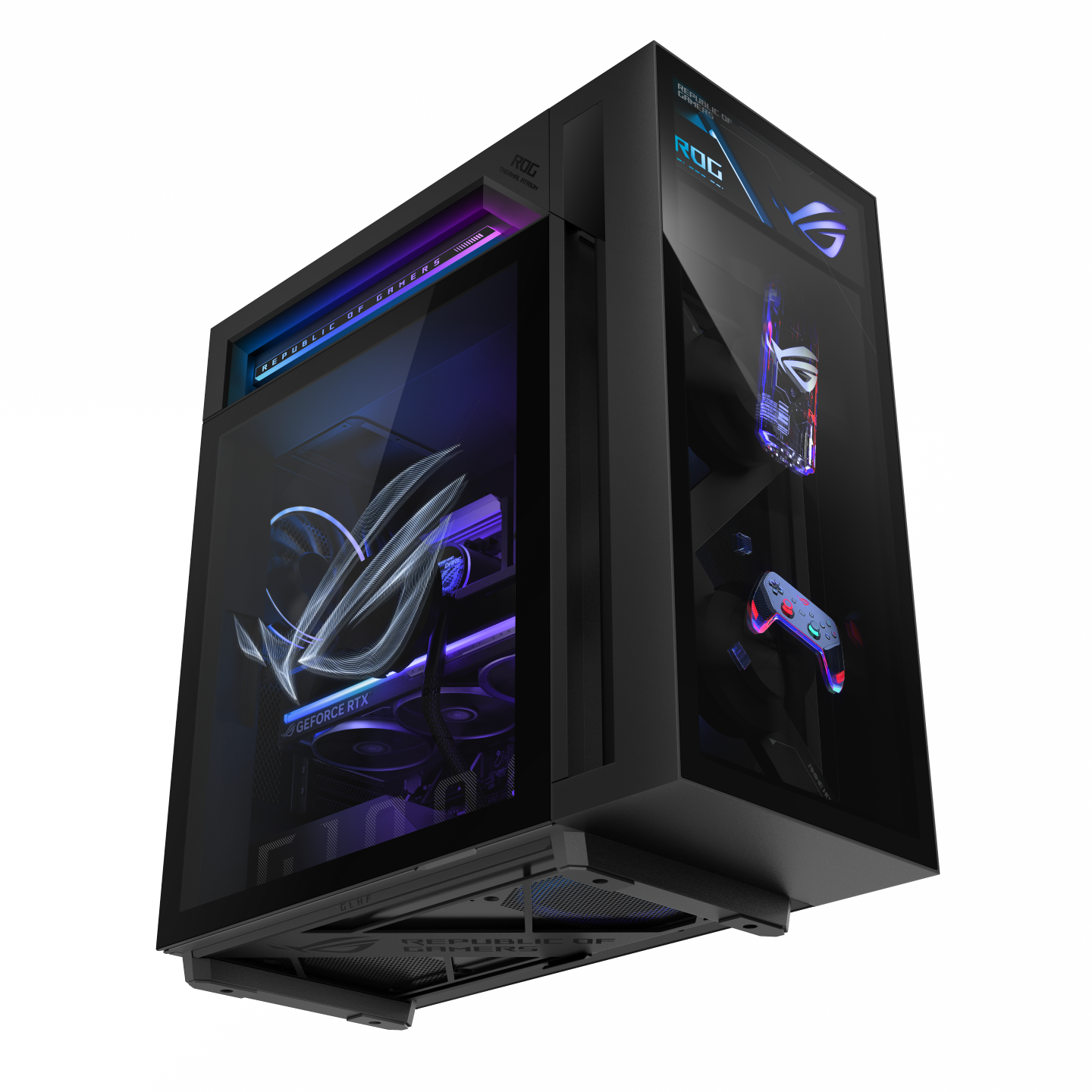
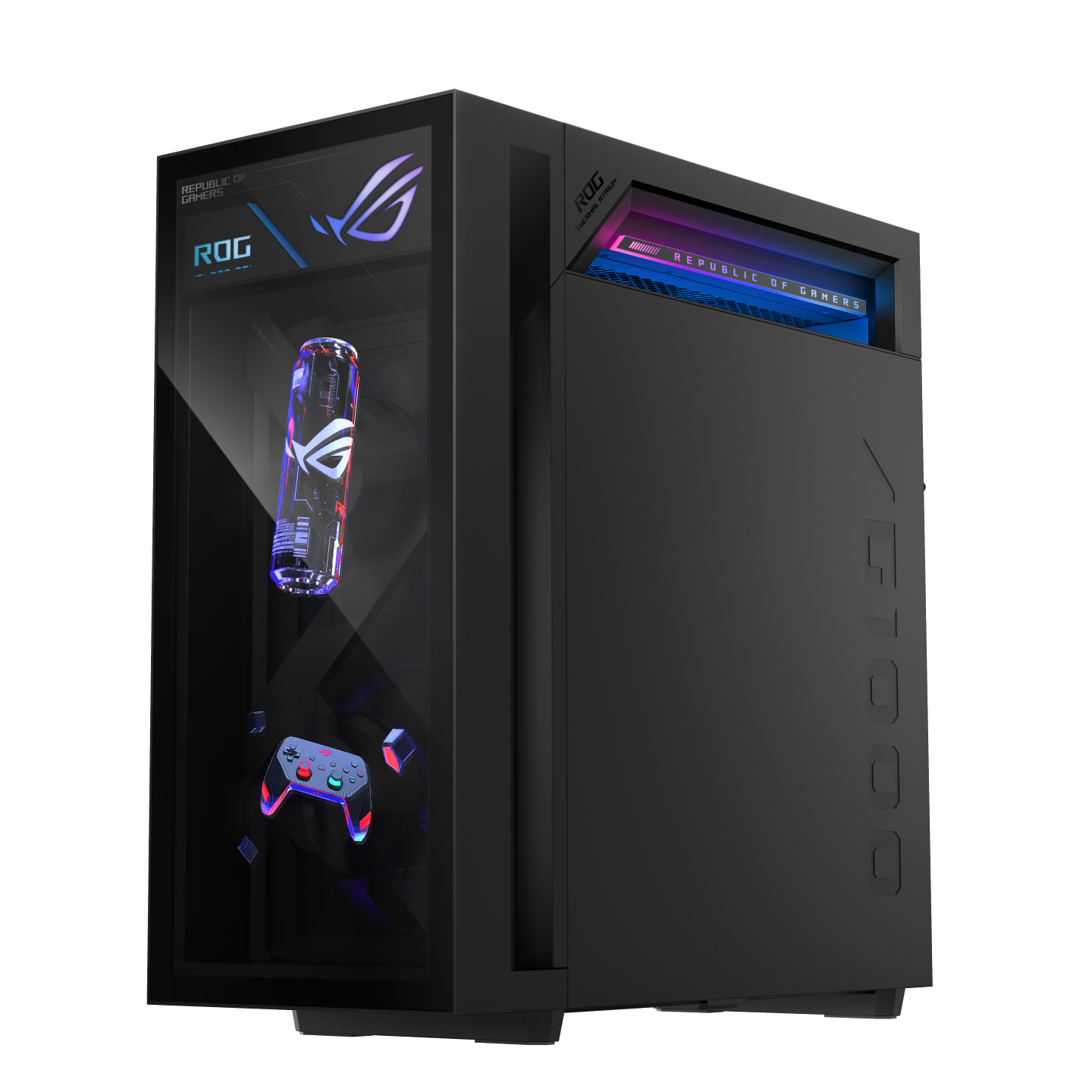
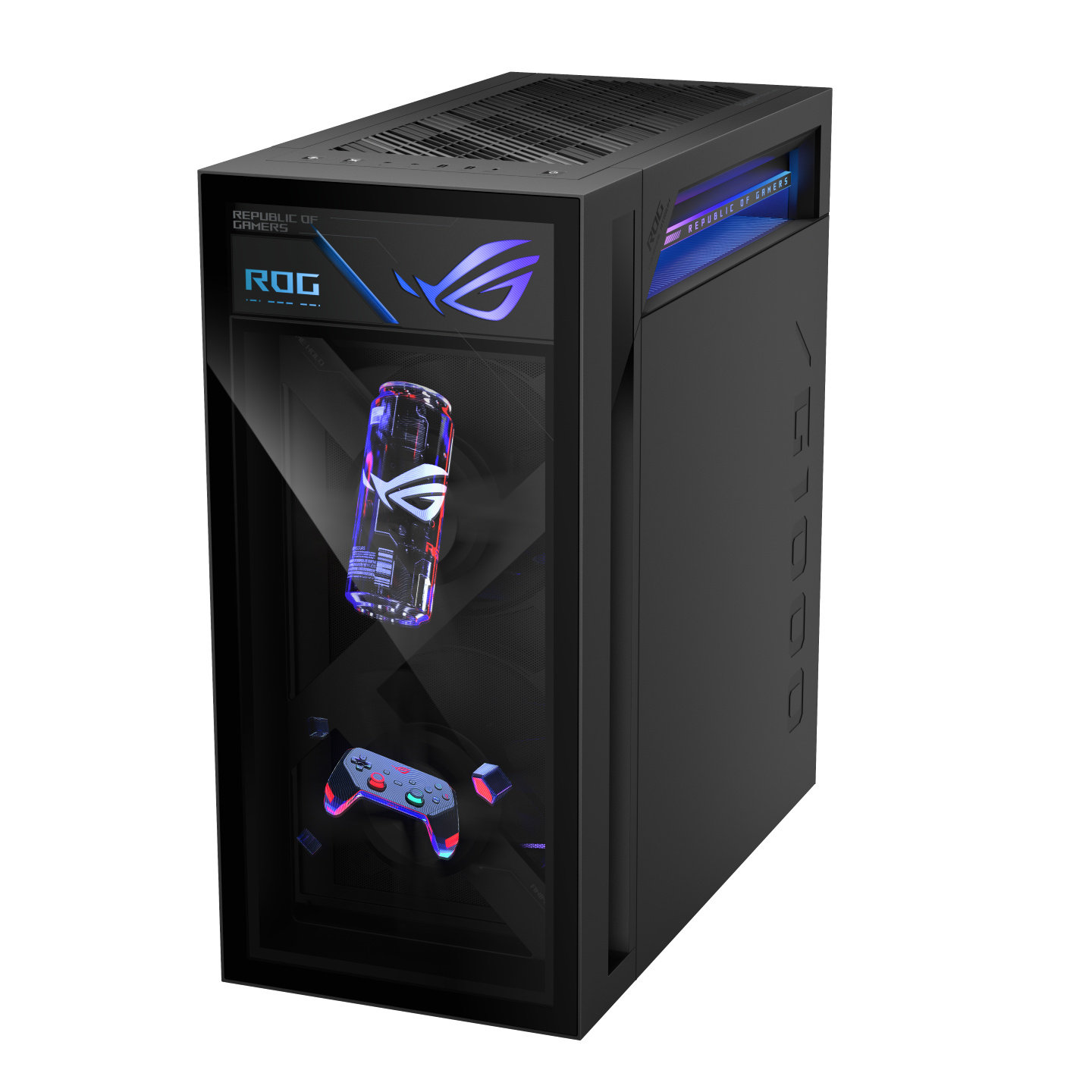
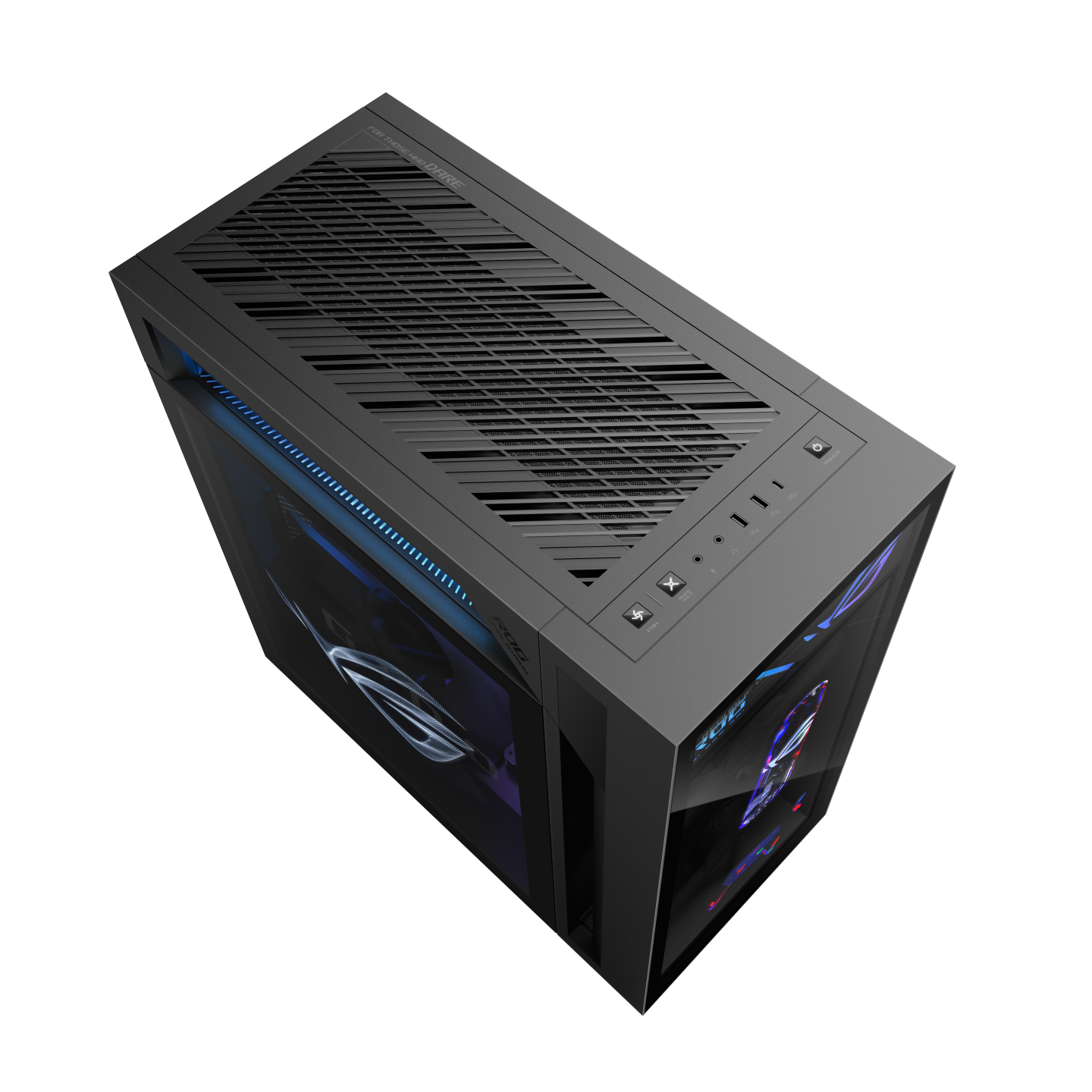
On connectivity and peripherals, ASUS highlights strong I O capability and includes an RGB keyboard and mouse from the ROG lineup in the box, positioning the G1000 as a complete plug and play ROG desk setup rather than just a tower purchase. The system measures 29.00 x 58.27 x 61.48cm and will be available in black. ASUS has not yet disclosed pricing or an availability date, with more details expected soon.
In the bigger picture, the ROG G1000 reads like ASUS aiming to secure the top of the flagship prebuilt stack by combining high end parts, stronger thermal engineering, and an aesthetic differentiation layer that makes the system feel like a premium ROG showpiece. For gamers, the pairing of X3D CPUs and RTX 5090 class graphics is the performance story, but the Thermal Atrium and AniMe Holo design are what turn this into a product category flex.
Would you rather have a cleaner stealth flagship build, or are you fully on board with the AniMe Holo era where the chassis becomes a customizable holographic display for your setup?
